
The 2025 Web of Science research output of the Bangladesh Rice Research Institute (BRRI) shows a total of 92 publications, with a strong dominance of Articles (90.217%) followed by smaller proportions of Early Access, Review Articles, Corrections, and Meeting Abstracts. Research is highly concentrated in Plant Sciences (22.826%), Agronomy (18.478%), Environmental Sciences (15.217%), and related agricultural and interdisciplinary fields, reflecting BRRI’s core focus on rice and sustainable agriculture. Bangladesh is the central contributor (100%), but there is significant international collaboration with China, Australia, USA, India, Philippines, and others. The most productive affiliations include BRRI itself, Bangladesh Agricultural University, and major global partners such as IRRI, CSIRO, and University of Arkansas. Key publishers include Elsevier, Wiley, and Springer Nature, indicating publication in high-impact international journals. The author network is led by researchers such as Sarkar MAR and Kamruzzaman M, showing a relatively concentrated authorship structure with strong recurring contributors.
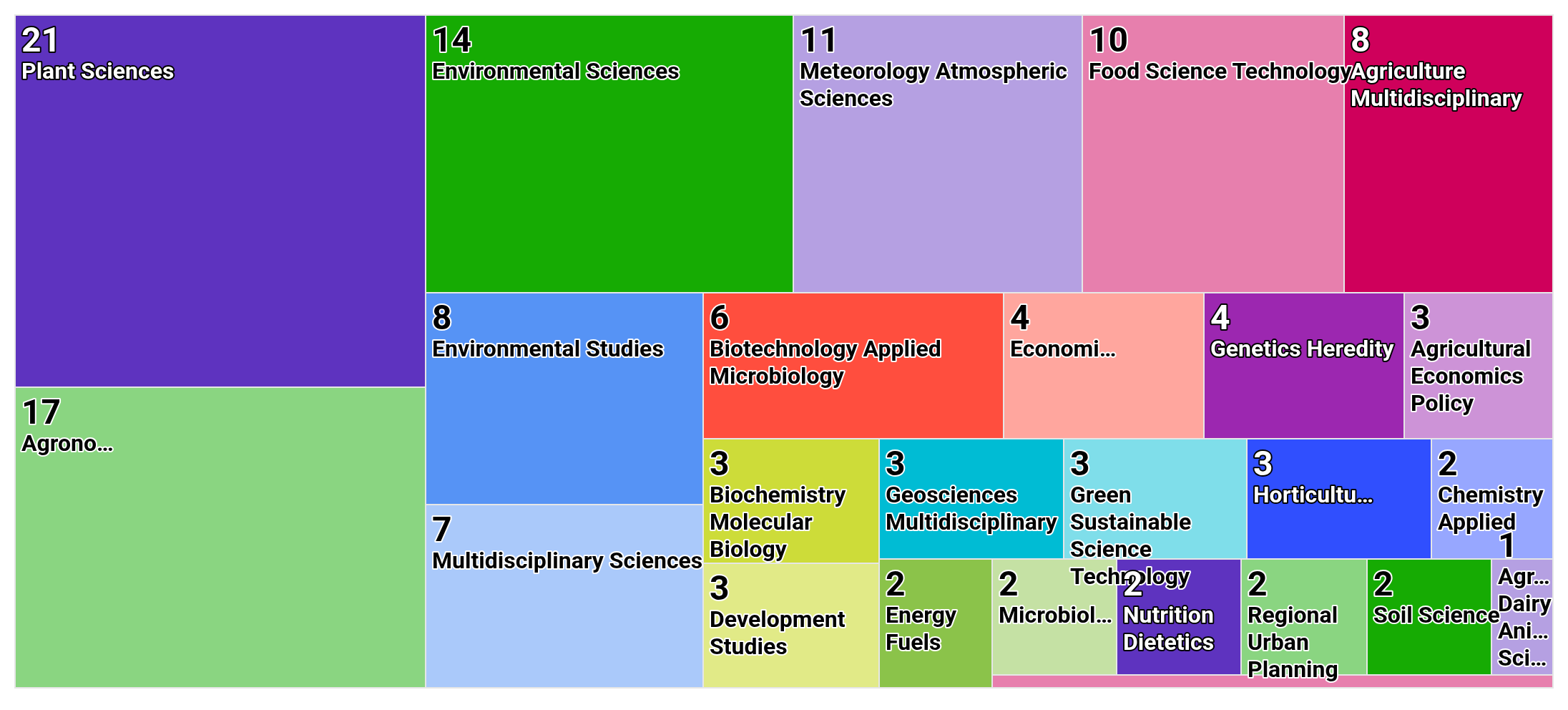
The areas of research publication categories in the TreeMap:
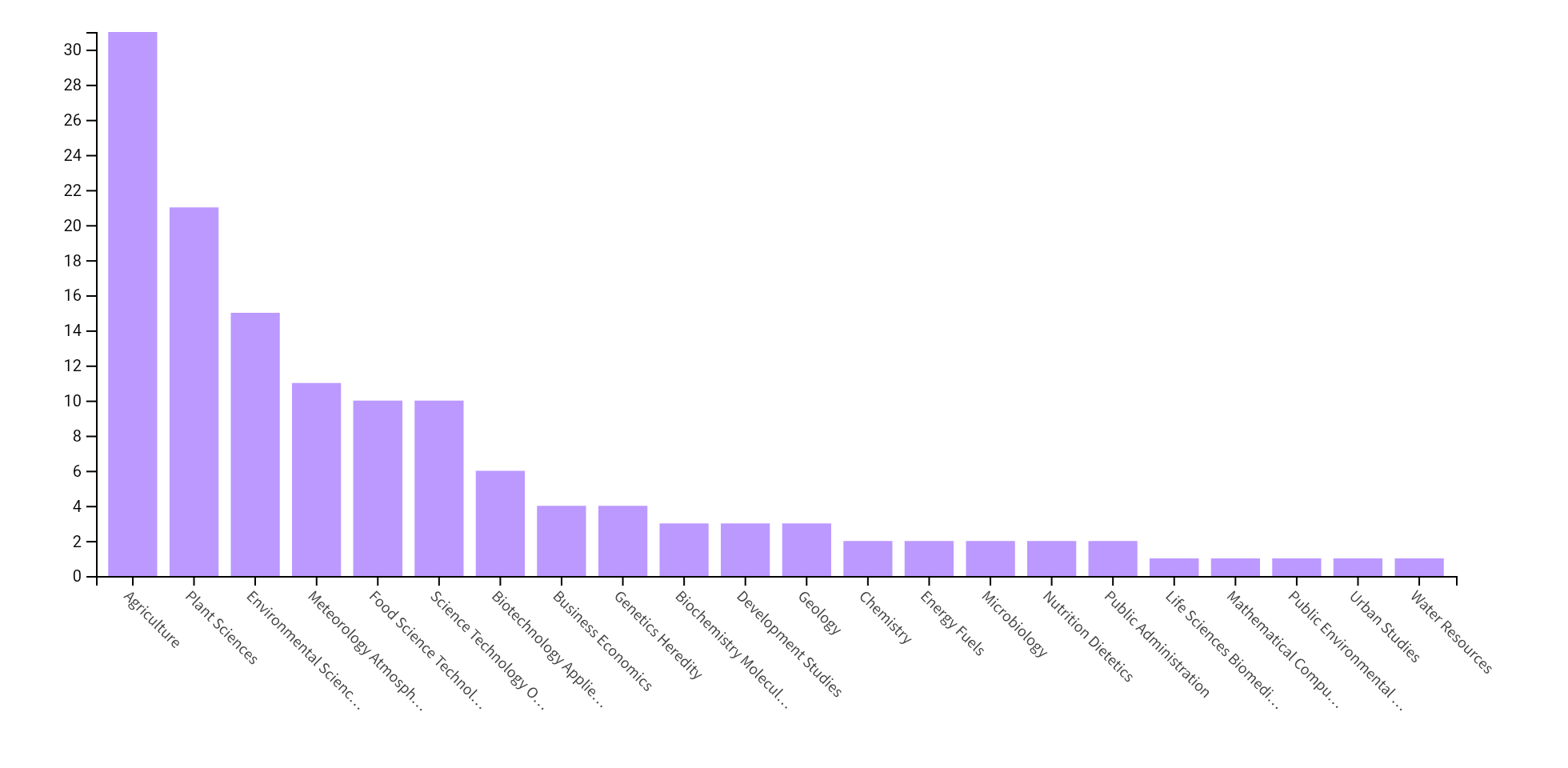
Research contributions in the field:
| Categories | Record Count | % of 92 |
|---|---|---|
| Plant Sciences | 21 | 22.826% |
| Agronomy | 17 | 18.478% |
| Environmental Sciences | 14 | 15.217% |
| Meteorology Atmospheric Sciences | 11 | 11.957% |
| Food Science Technology | 10 | 10.870% |
| Agriculture Multidisciplinary | 8 | 8.696% |
| Environmental Studies | 8 | 8.696% |
| Multidisciplinary Sciences | 7 | 7.609% |
| Biotechnology Applied Microbiology | 6 | 6.522% |
| Economics | 4 | 4.348% |
| Genetics Heredity | 4 | 4.348% |
| Agricultural Economics Policy | 3 | 3.261% |
| Biochemistry Molecular Biology | 3 | 3.261% |
| Development Studies | 3 | 3.261% |
| Geosciences Multidisciplinary | 3 | 3.261% |
| Green Sustainable Science Technology | 3 | 3.261% |
| Horticulture | 3 | 3.261% |
| Chemistry Applied | 2 | 2.174% |
| Energy Fuels | 2 | 2.174% |
| Microbiology | 2 | 2.174% |
| Nutrition Dietetics | 2 | 2.174% |
| Regional Urban Planning | 2 | 2.174% |
| Soil Science | 2 | 2.174% |
| Agriculture Dairy Animal Science | 1 | 1.087% |
| Biochemical Research Methods | 1 | 1.087% |
Research areas:
Types of published documents:
| Types | Record Count | % of 92 |
|---|---|---|
| Article | 83 | 90.217% |
| Early Access | 5 | 5.435% |
| Review Article | 5 | 5.435% |
| Correction | 3 | 3.261% |
| Meeting Abstract | 1 | 1.087% |
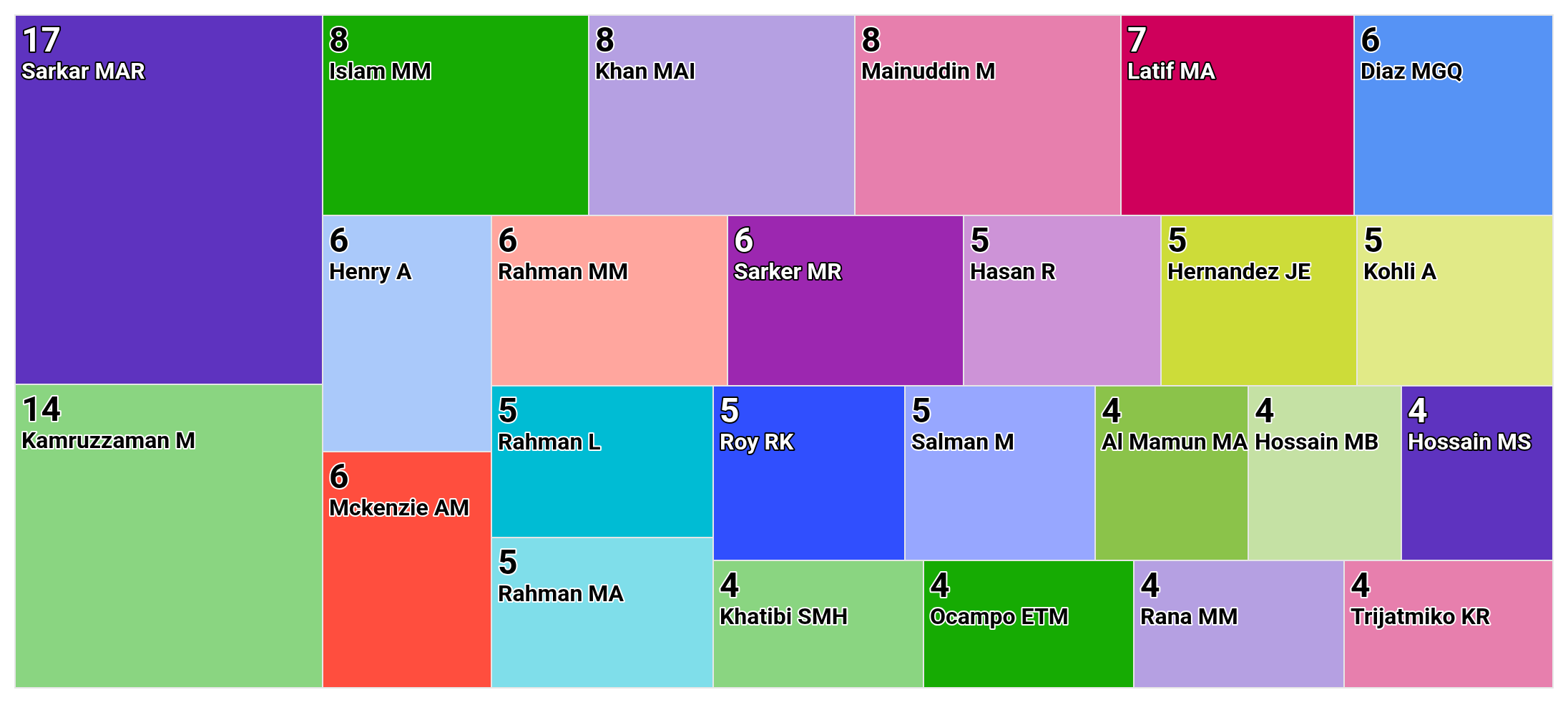
Authors’ infographic (Top 25):
Researcher profiles (Top 25):
| Authors | Record Count | % of 92 |
|---|---|---|
| Sarkar MAR | 17 | 18.478% |
| Kamruzzaman M | 14 | 15.217% |
| Islam MM | 8 | 8.696% |
| Khan MAI | 8 | 8.696% |
| Mainuddin M | 8 | 8.696% |
| Latif MA | 7 | 7.609% |
| Diaz MGQ | 6 | 6.522% |
| Henry A | 6 | 6.522% |
| Mckenzie AM | 6 | 6.522% |
| Rahman MM | 6 | 6.522% |
| Sarker MR | 6 | 6.522% |
| Hasan R | 5 | 5.435% |
| Hernandez JE | 5 | 5.435% |
| Kohli A | 5 | 5.435% |
| Rahman L | 5 | 5.435% |
| Rahman MA | 5 | 5.435% |
| Roy RK | 5 | 5.435% |
| Salman M | 5 | 5.435% |
| Al Mamun MA | 4 | 4.348% |
| Hossain MB | 4 | 4.348% |
| Hossain MS | 4 | 4.348% |
| Khatibi SMH | 4 | 4.348% |
| Ocampo ETM | 4 | 4.348% |
| Rana MM | 4 | 4.348% |
| Trijatmiko KR | 4 | 4.348% |
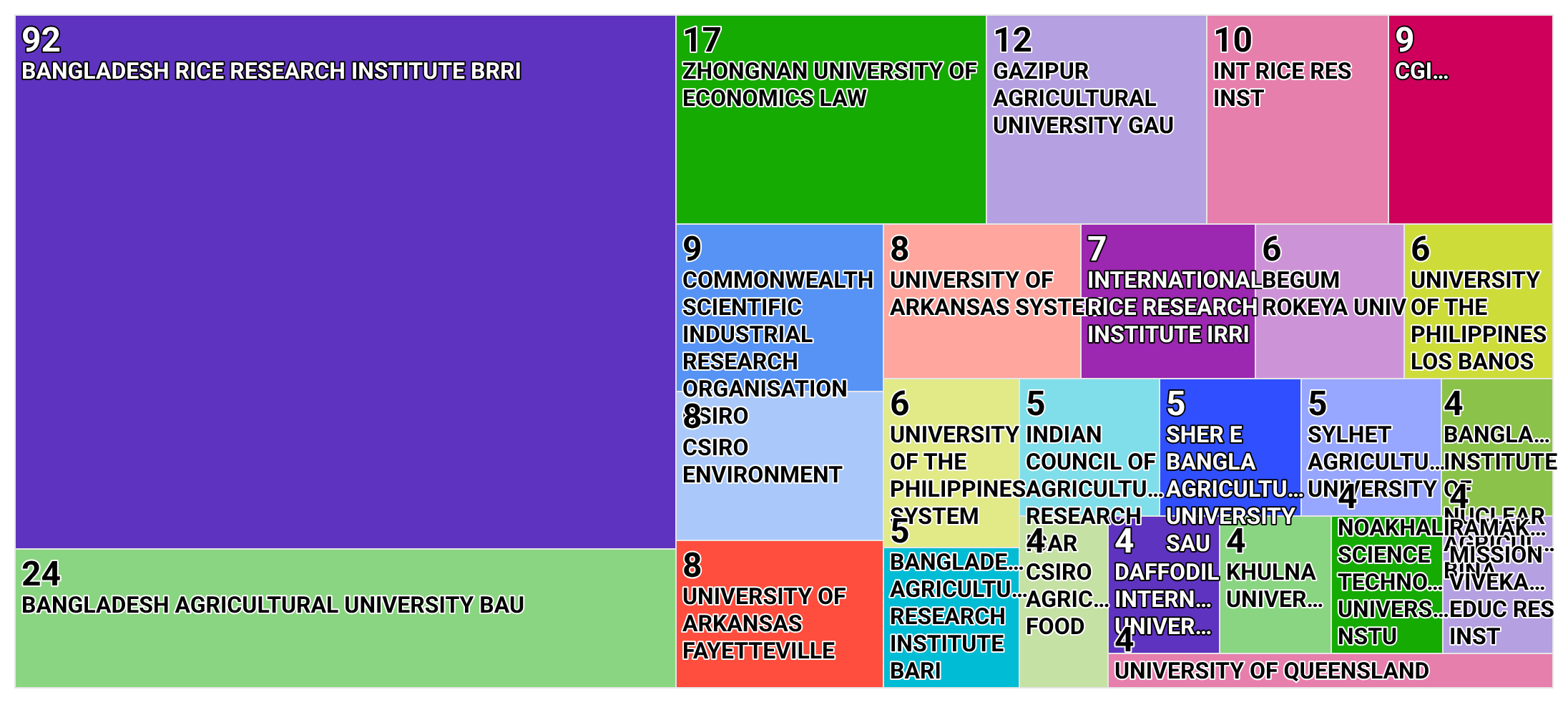
Research-affiliated institutes:
Research collaboration countries:
| Countries/Regions | Record Count | % of 92 |
|---|---|---|
| BANGLADESH | 92 | 100.000% |
| PEOPLES R CHINA | 21 | 22.826% |
| AUSTRALIA | 20 | 21.739% |
| USA | 17 | 18.478% |
| INDIA | 15 | 16.304% |
| PHILIPPINES | 12 | 13.043% |
| SAUDI ARABIA | 10 | 10.870% |
| SOUTH KOREA | 8 | 8.696% |
| JAPAN | 6 | 6.522% |
| MALAYSIA | 6 | 6.522% |
| ENGLAND | 4 | 4.348% |
| THAILAND | 3 | 3.261% |
| EGYPT | 2 | 2.174% |
| GERMANY | 2 | 2.174% |
| PAKISTAN | 2 | 2.174% |
| U ARAB EMIRATES | 2 | 2.174% |
| BELGIUM | 1 | 1.087% |
| COLOMBIA | 1 | 1.087% |
| COTE IVOIRE | 1 | 1.087% |
| GHANA | 1 | 1.087% |
| IRAN | 1 | 1.087% |
| JORDAN | 1 | 1.087% |
| KENYA | 1 | 1.087% |
| MADAGASCAR | 1 | 1.087% |
| MOZAMBIQUE | 1 | 1.087% |
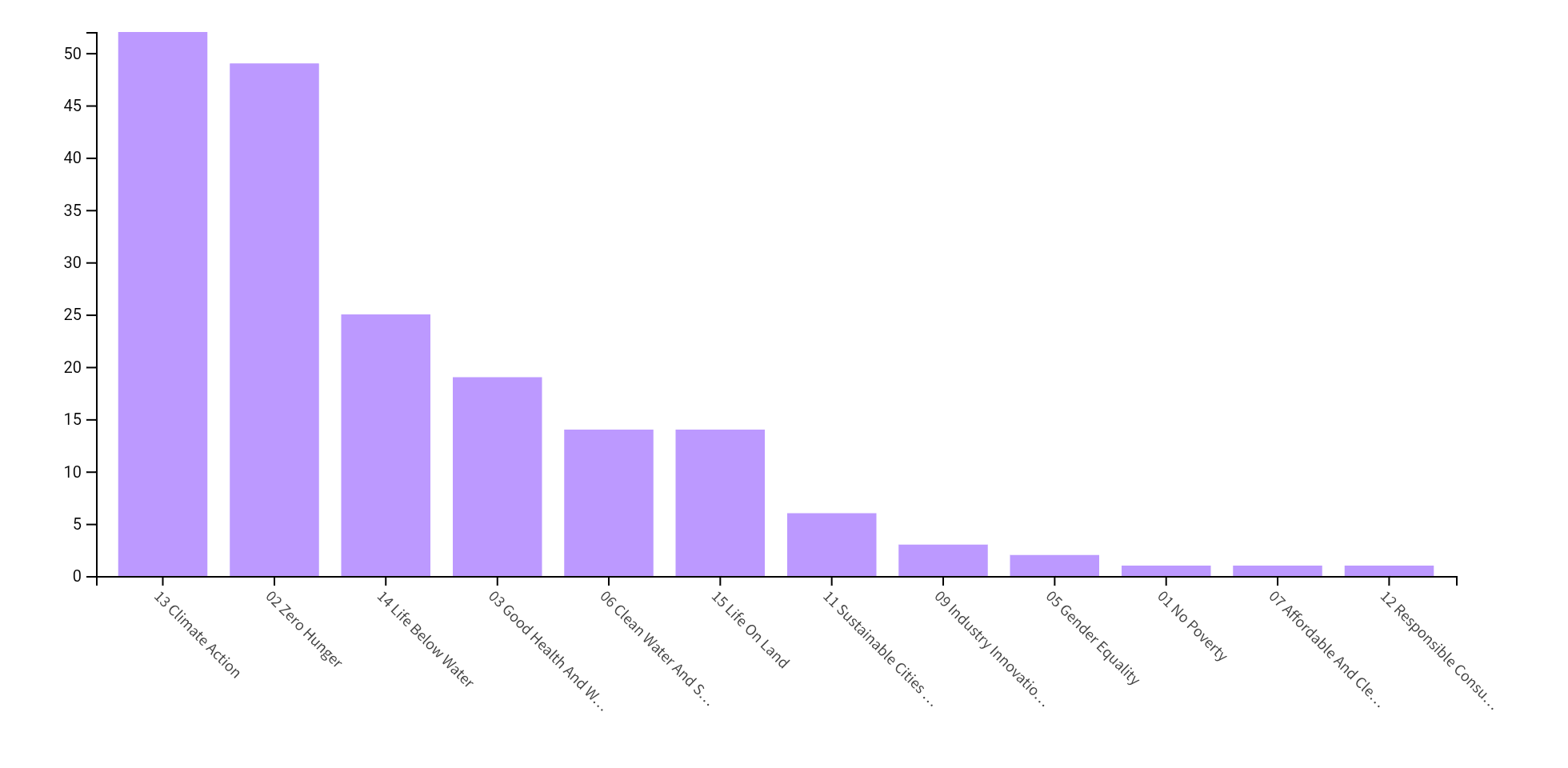
Sustainable Development Goals:
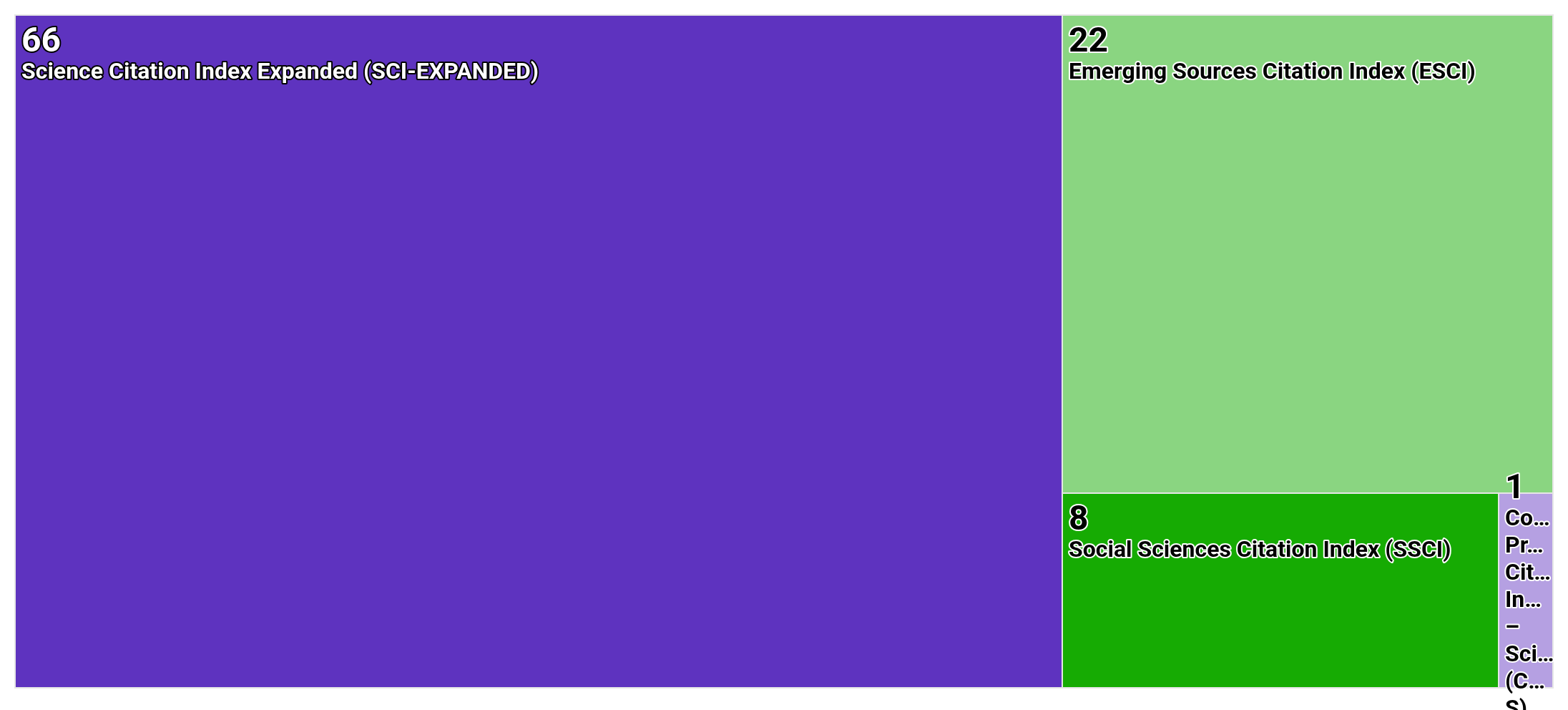
Web of Science Index:
Research highlights of BRRI:
| Types | Results |
|---|---|
| Review Article | 5 |
| Early Access | 5 |
| Open Access | 59 |
| Enriched Cited References | 50 |
| Open publisher-invited reviews | 2 |
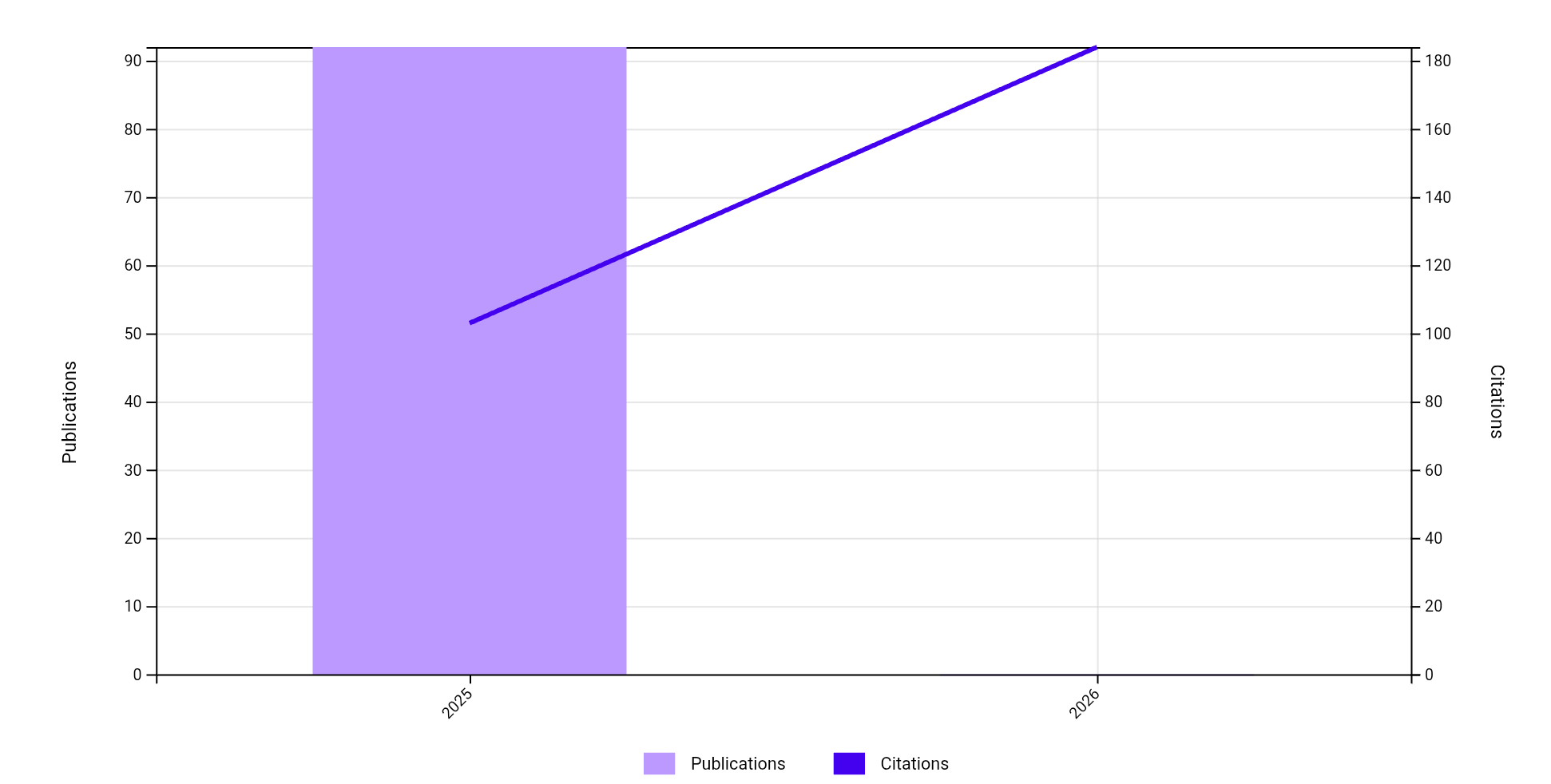
Citation Index:
Publishers:
| Name | Record Count | % of 92 |
|---|---|---|
| Elsevier | 20 | 21.739% |
| Wiley | 20 | 21.739% |
| Springer Nature | 18 | 19.565% |
| Taylor & Francis | 5 | 5.435% |
| NATURE PORTFOLIO | 4 | 4.348% |
| Mdpi | 3 | 3.261% |
| Natl Information Documentation Cent, Acad Scientific Research & Technology | 3 | 3.261% |
| Frontiers Media Sa | 2 | 2.174% |
| Public Library Science | 2 | 2.174% |
| SPRINGER INT PUBL AG | 2 | 2.174% |
| Sage | 2 | 2.174% |
| Tropical Agriculture | 2 | 2.174% |
| Amer Phytopathological Soc | 1 | 1.087% |
| Cabi Publishing | 1 | 1.087% |
| Emerald Group Publishing | 1 | 1.087% |
| Iwa Publishing | 1 | 1.087% |
| Korean Soc Horticultural Science | 1 | 1.087% |
| North Univ Center Baia Mare | 1 | 1.087% |
| Oxford Univ Press | 1 | 1.087% |
| Royal Soc London | 1 | 1.087% |
| Soc Field Crop Sci | 1 | 1.087% |
Funding Agencies:
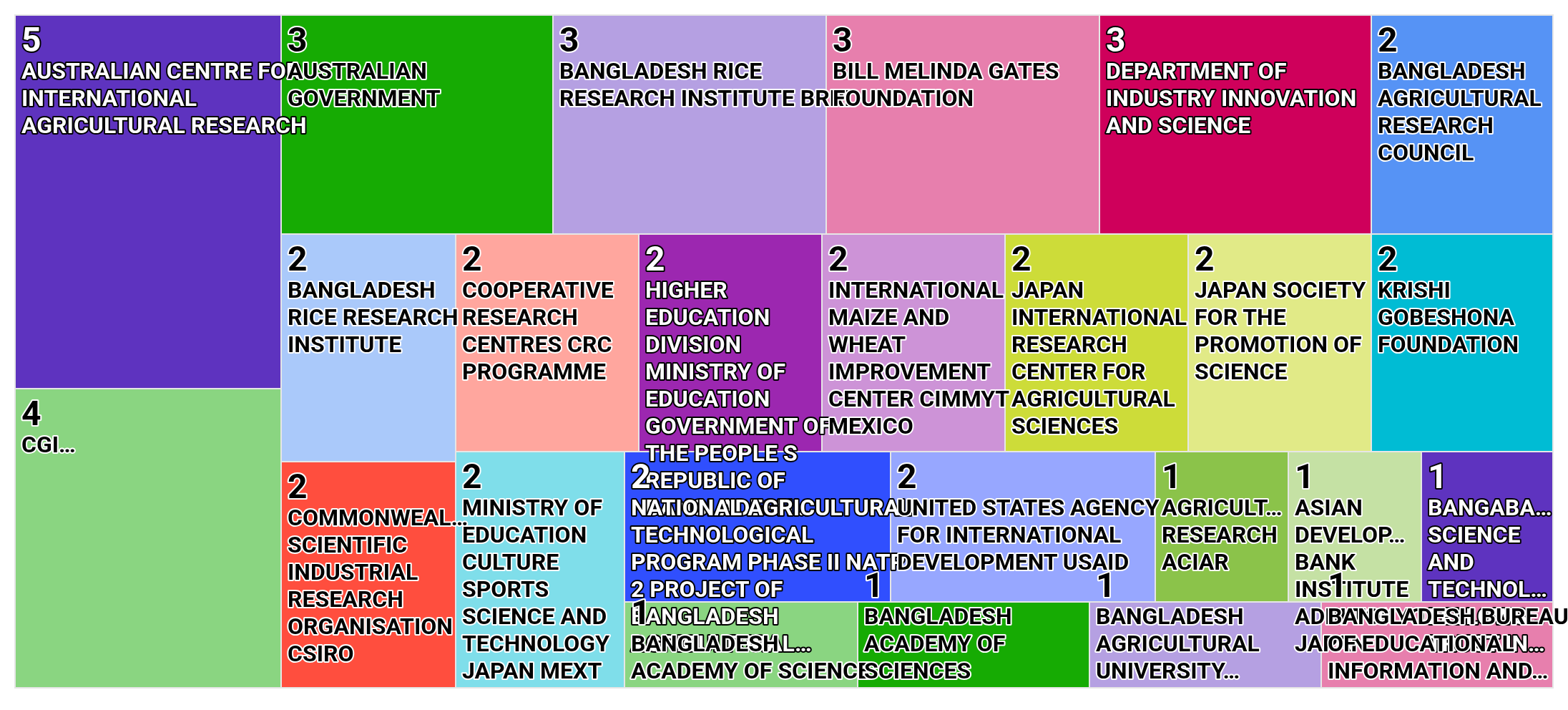
Observations:
- Publications are heavily dominated by research articles, indicating a strong focus on original research output rather than reviews or conference materials.
- Research is strongly agriculture-centric, especially Plant Sciences and Agronomy, but still spans environmental, biotechnology, and socio-economic domains.
- BRRI maintains extensive international collaboration, particularly with China, Australia, USA, and CGIAR-linked institutions like IRRI and CSIRO.
Questions:
- Why is article-type dominance so high compared to review or other publication types in BRRI output?
- How does international collaboration influence the impact and citation performance of BRRI publications?
- Which research areas within BRRI publications are growing fastest beyond plant sciences and agronomy?
Strong global collaboration and agriculture-focused research indicate BRRI’s continued leadership in rice science, but diversification into higher-impact synthesis studies could further enhance its research visibility.