

In 2025, Noakhali Science and Technology University (NSTU) produced 408 publications indexed in the Web of Science, with 85% being original research articles and a growing share of reviews and early access papers. Research spans diverse fields, led by Environmental Sciences, Multidisciplinary Sciences, and Public Environmental Occupational Health, alongside strong contributions in chemistry, materials science, and IT. Key researchers like Md. Sahadat Hossain, Samina Ahmed, and Takaomi Arai drive both domestic and international collaborations, extending partnerships to Australia, USA, Saudi Arabia, China, Malaysia, and South Korea. Top publishers include Elsevier, Springer Nature, and Wiley, reflecting high-quality dissemination. Overall, NSTU is emerging as a dynamic research hub, combining multidisciplinary innovation with strong global engagement. Web of Science
The areas of research publication categories in the TreeMap:
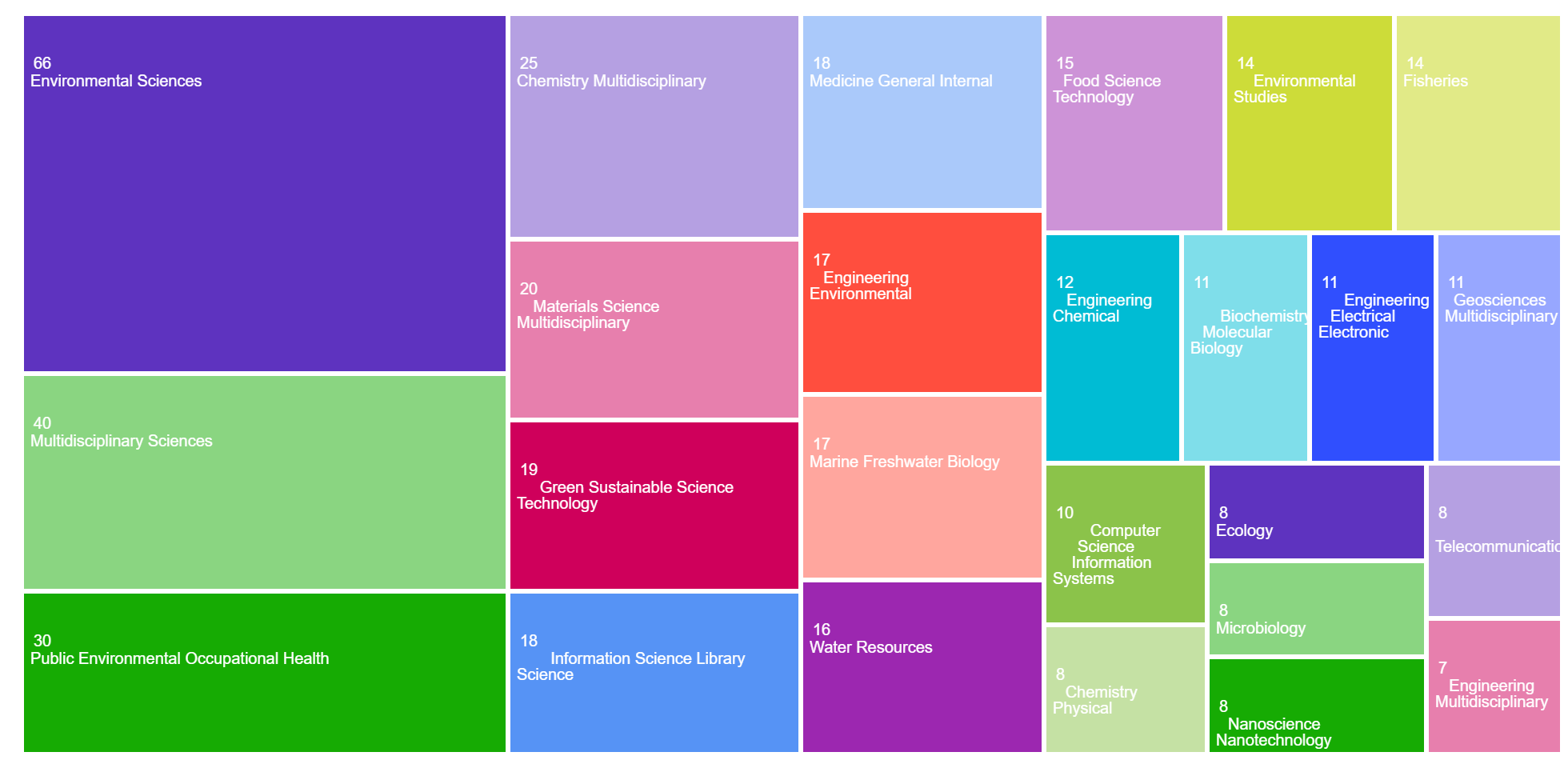
Research contributions in the field:
| Categories | Record Count | % of 408 |
|---|---|---|
| Environmental Sciences | 66 | 16.176% |
| Multidisciplinary Sciences | 40 | 9.804% |
| Public Environmental Occupational Health | 30 | 7.353% |
| Chemistry Multidisciplinary | 25 | 6.127% |
| Materials Science Multidisciplinary | 20 | 4.902% |
| Green Sustainable Science Technology | 19 | 4.657% |
| Information Science Library Science | 18 | 4.412% |
| Medicine General Internal | 18 | 4.412% |
| Engineering Environmental | 17 | 4.167% |
| Marine Freshwater Biology | 17 | 4.167% |
| Water Resources | 16 | 3.922% |
| Food Science Technology | 15 | 3.676% |
| Environmental Studies | 14 | 3.431% |
| Fisheries | 14 | 3.431% |
| Engineering Chemical | 12 | 2.941% |
| Biochemistry Molecular Biology | 11 | 2.696% |
| Engineering Electrical Electronic | 11 | 2.696% |
| Geosciences Multidisciplinary | 11 | 2.696% |
| Computer Science Information Systems | 10 | 2.451% |
| Chemistry Physical | 8 | 1.961% |
| Ecology | 8 | 1.961% |
| Microbiology | 8 | 1.961% |
| Nanoscience Nanotechnology | 8 | 1.961% |
| Telecommunications | 8 | 1.961% |
| Engineering Multidisciplinary | 7 | 1.716% |
Research areas:
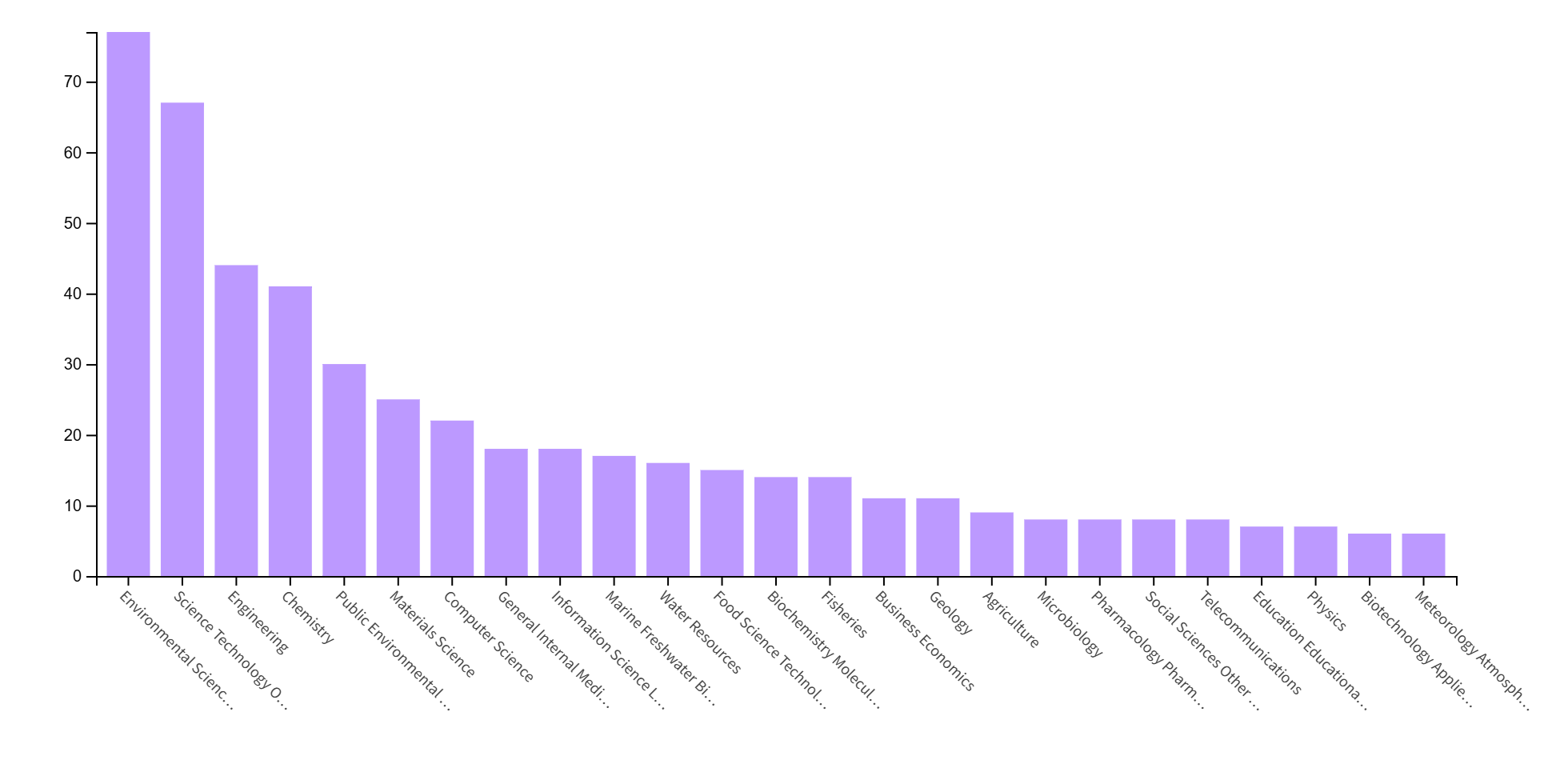
Types of published documents:
| Types | Record Count | % of 408 |
|---|---|---|
| Article | 348 | 85.294% |
| Review Article | 46 | 11.275% |
| Early Access | 27 | 6.618% |
| Letter | 6 | 1.471% |
| Correction | 5 | 1.225% |
| Meeting Abstract | 2 | 0.490% |
| Editorial Material | 1 | 0.245% |
| Retracted Publication | 1 | 0.245% |
Authors’ infographic (Top 25):
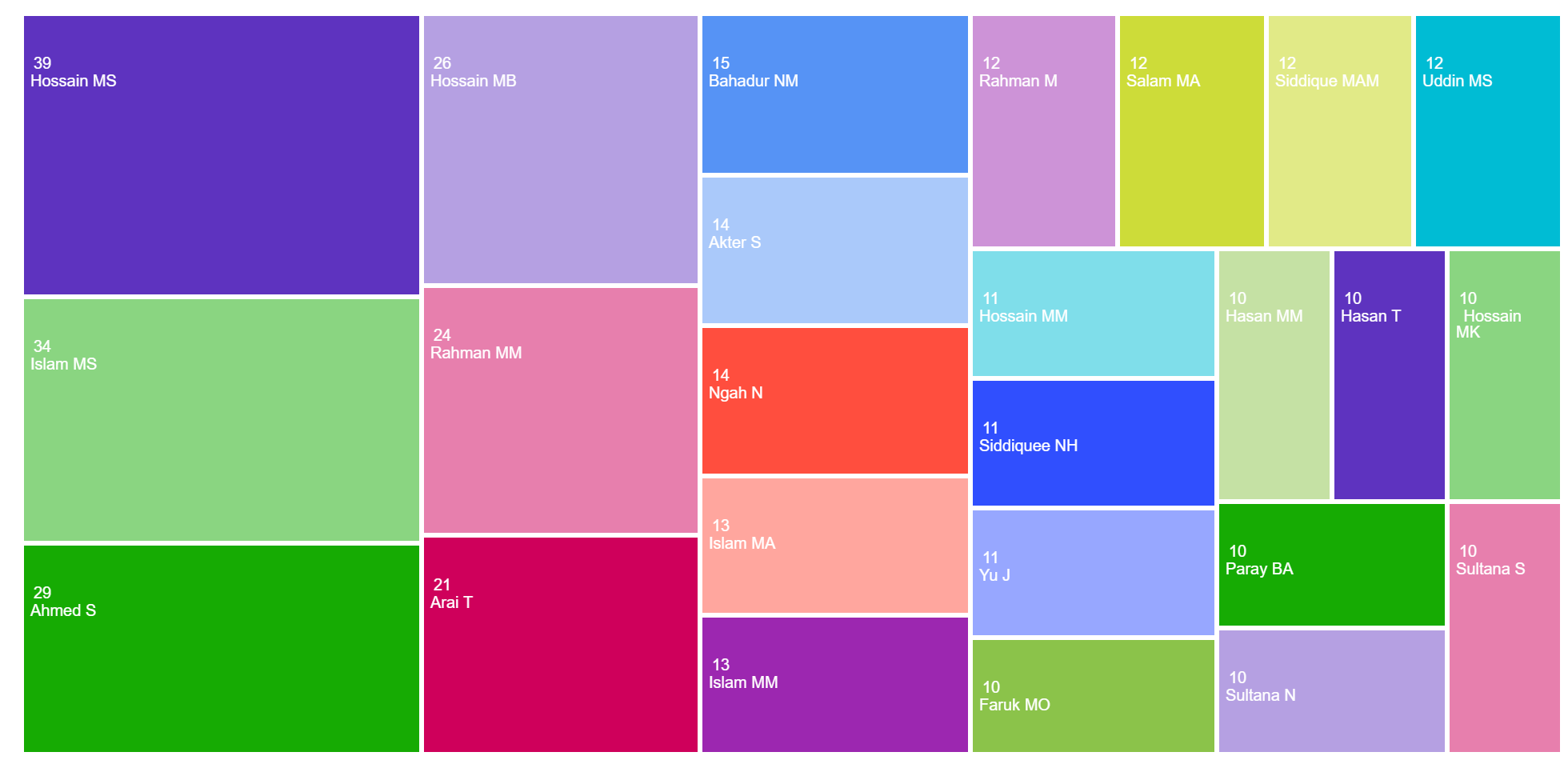
Researcher profiles (Top 25):
| Researchers | Record Count | % of 408 |
|---|---|---|
| Hossain, Md. Sahadat | 23 | 5.637% |
| Ahmed, Samina | 21 | 5.147% |
| Arai, Takaomi | 18 | 4.412% |
| Bahadur, Newaz Mohammed | 15 | 3.676% |
| Ngah, Norhayati | 14 | 3.431% |
| Siddique, Mohammad Abdul Momin | 12 | 2.941% |
| Islam, Mohammad Safiqul | 11 | 2.696% |
| Siddiquee, Noimul Hasan | 11 | 2.696% |
| Hossain, Mohammad Belal | 11 | 2.696% |
| Hasan, Towhid | 10 | 2.451% |
| Hossain, M. Belal | 10 | 2.451% |
| Salam, Mohammed Abdus | 9 | 2.206% |
| Yu, Qiming | 9 | 2.206% |
| Hossain, Md Kamal | 9 | 2.206% |
| Kawsar, Md. | 9 | 2.206% |
| Basak, Jayanta | 9 | 2.206% |
| Riya, Khadijatul Kubra | 9 | 2.206% |
| Paray, Bilal Ahamad | 9 | 2.206% |
| Padilla, Miguel Angel Esquivias | 9 | 2.206% |
| Sultana, Marjia | 8 | 1.961% |
| Rahman, Mofizur | 8 | 1.961% |
| Atikuzzaman, Md. | 8 | 1.961% |
| Masum, Md Habib Ullah | 8 | 1.961% |
| Tabassum, Sumaya | 8 | 1.961% |
| Md. Shiblur Rahaman | 7 | 1.716% |
Research-affiliated institutes:
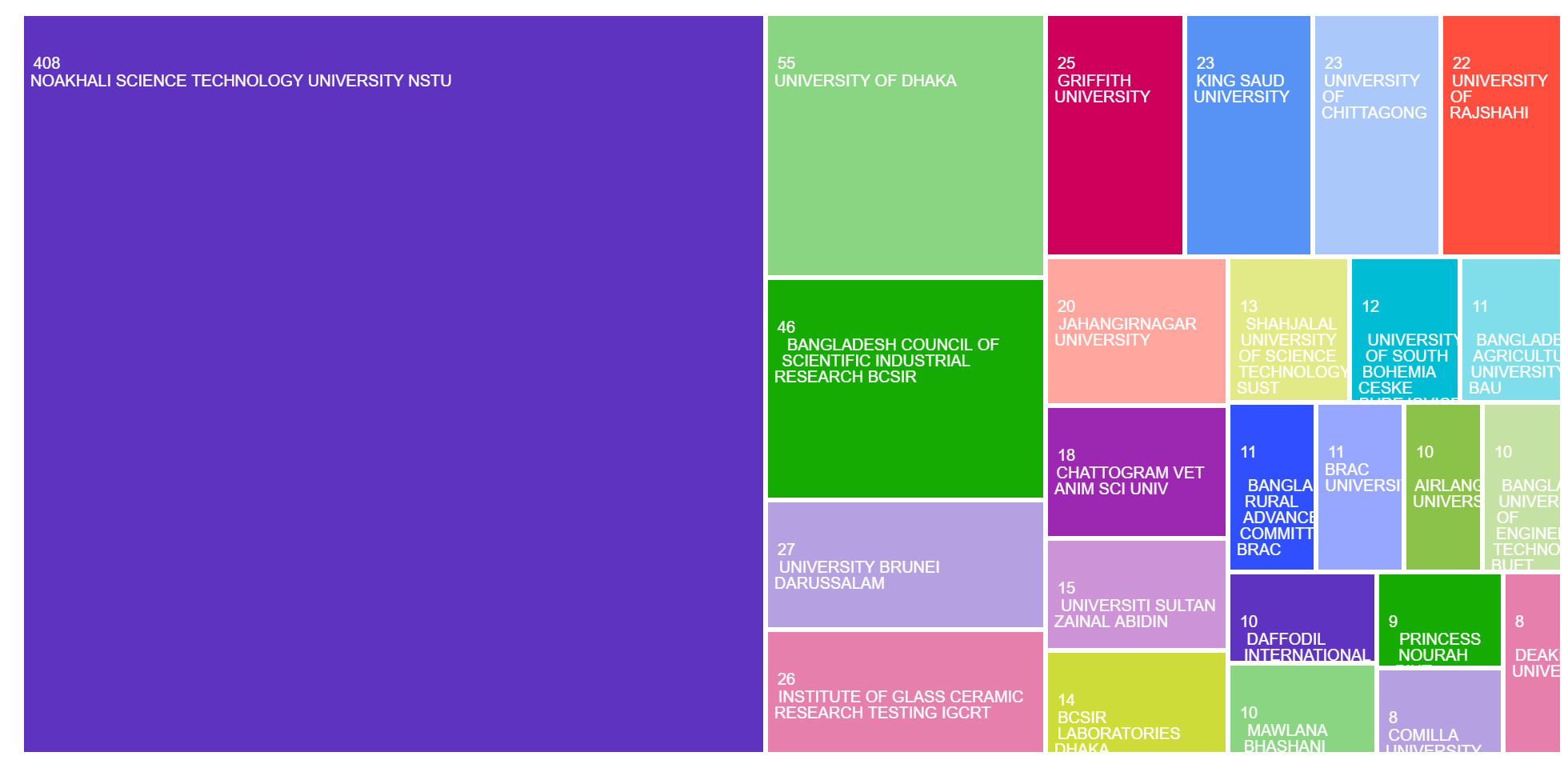
Research collaboration countries:
| Countries/Regions | Record Count | % of 408 |
|---|---|---|
| BANGLADESH | 408 | 100.000% |
| AUSTRALIA | 74 | 18.137% |
| USA | 56 | 13.725% |
| SAUDI ARABIA | 44 | 10.784% |
| PEOPLES R CHINA | 33 | 8.088% |
| MALAYSIA | 32 | 7.843% |
| SOUTH KOREA | 29 | 7.108% |
| BRUNEI | 27 | 6.618% |
| INDIA | 24 | 5.882% |
| JAPAN | 21 | 5.147% |
| ENGLAND | 15 | 3.676% |
| CZECH REPUBLIC | 13 | 3.186% |
| INDONESIA | 11 | 2.696% |
| TURKIYE | 10 | 2.451% |
| PAKISTAN | 8 | 1.961% |
| CANADA | 7 | 1.716% |
| HUNGARY | 7 | 1.716% |
| ITALY | 7 | 1.716% |
| NETHERLANDS | 7 | 1.716% |
| SPAIN | 7 | 1.716% |
| FINLAND | 6 | 1.471% |
| AUSTRIA | 5 | 1.225% |
| EGYPT | 5 | 1.225% |
| NEW ZEALAND | 5 | 1.225% |
| NORWAY | 5 | 1.225% |
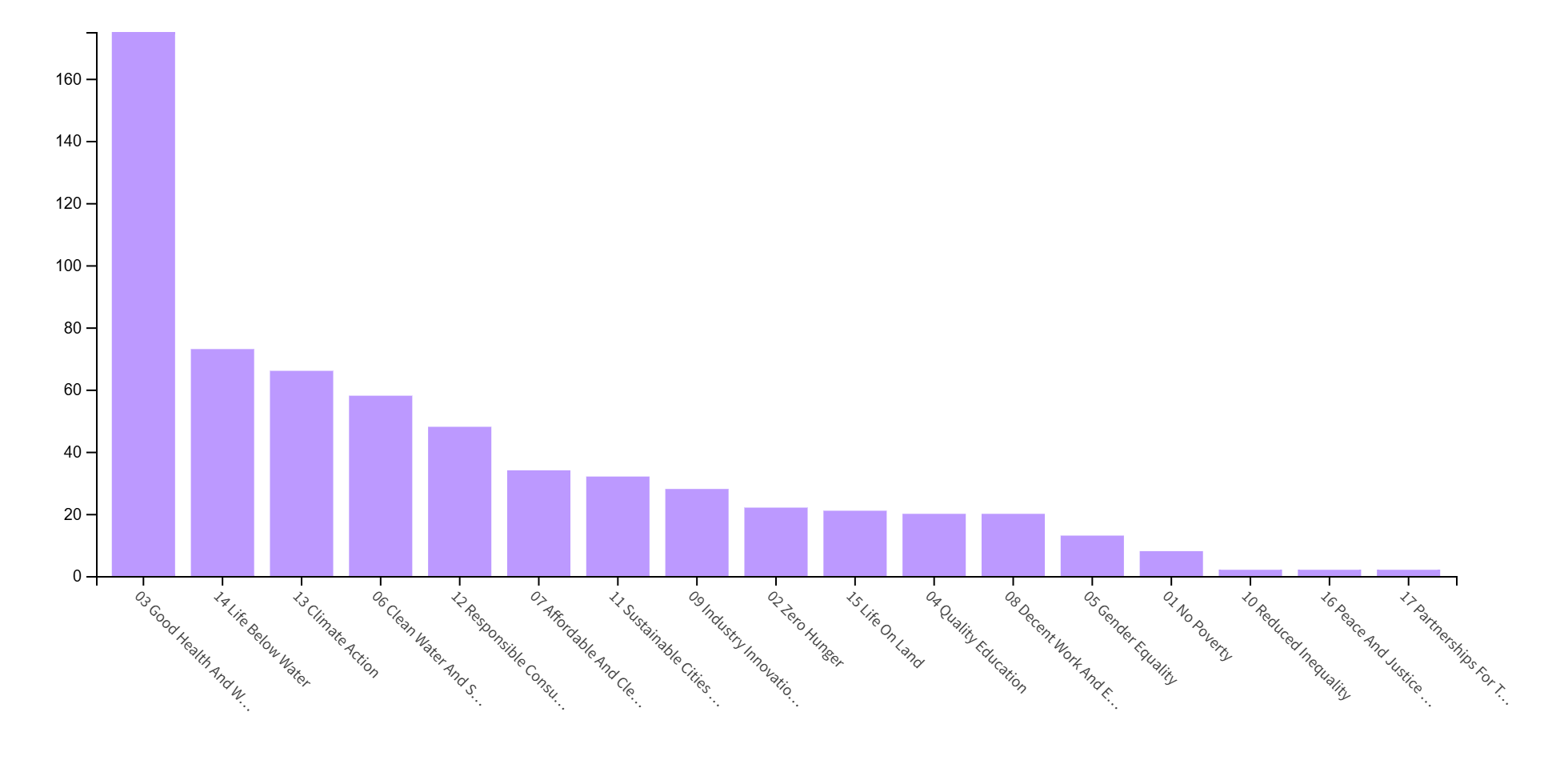
Sustainable Development Goals:
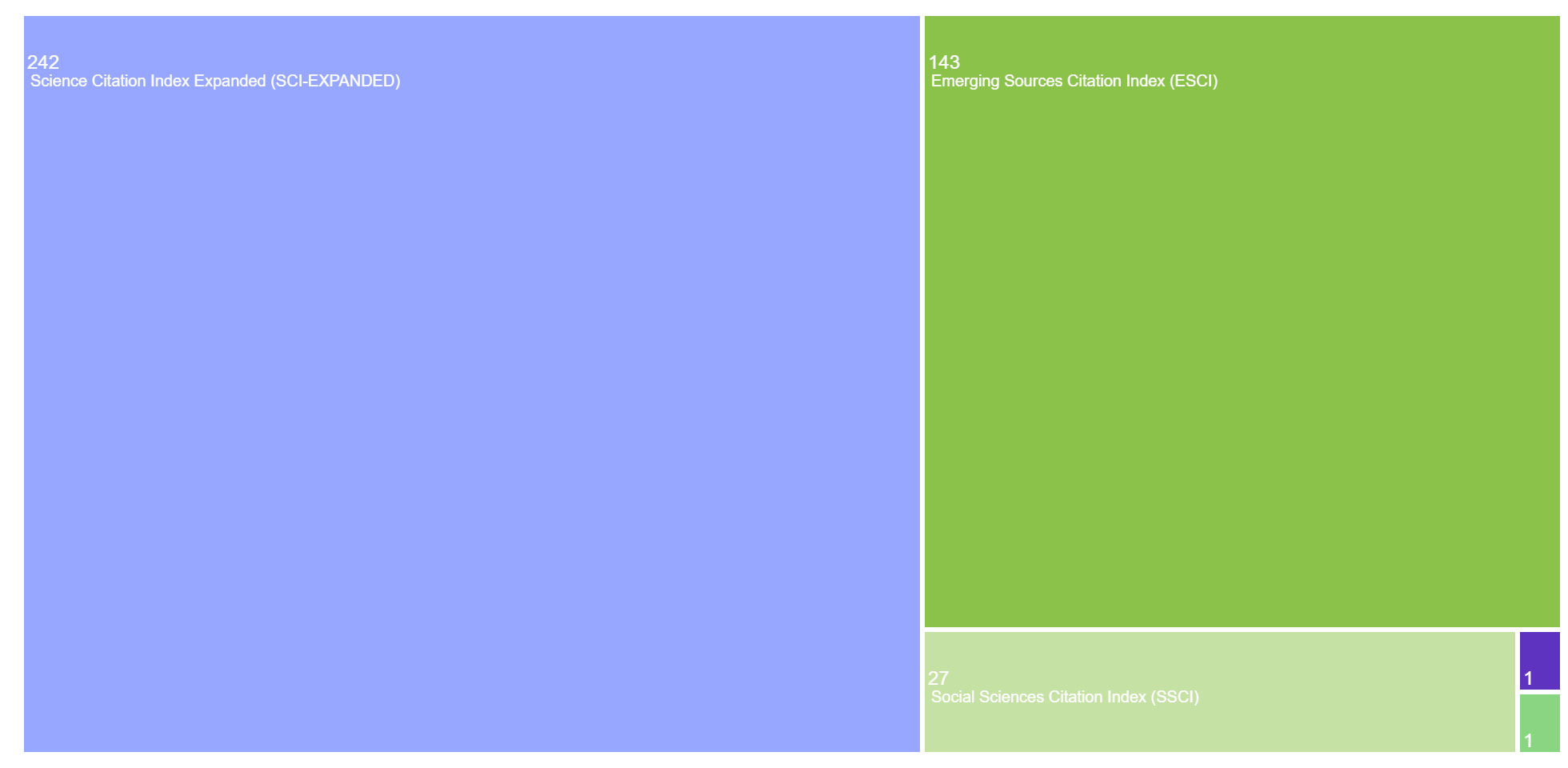
Web of Science Index:
Research highlights of NSTU:
| Types | Results |
|---|---|
| Review Article | 46 |
| Early Access | 27 |
| Open Access | 274 |
| Enriched Cited References | 216 |
| Open Publisher-Invited Reviews | 5 |
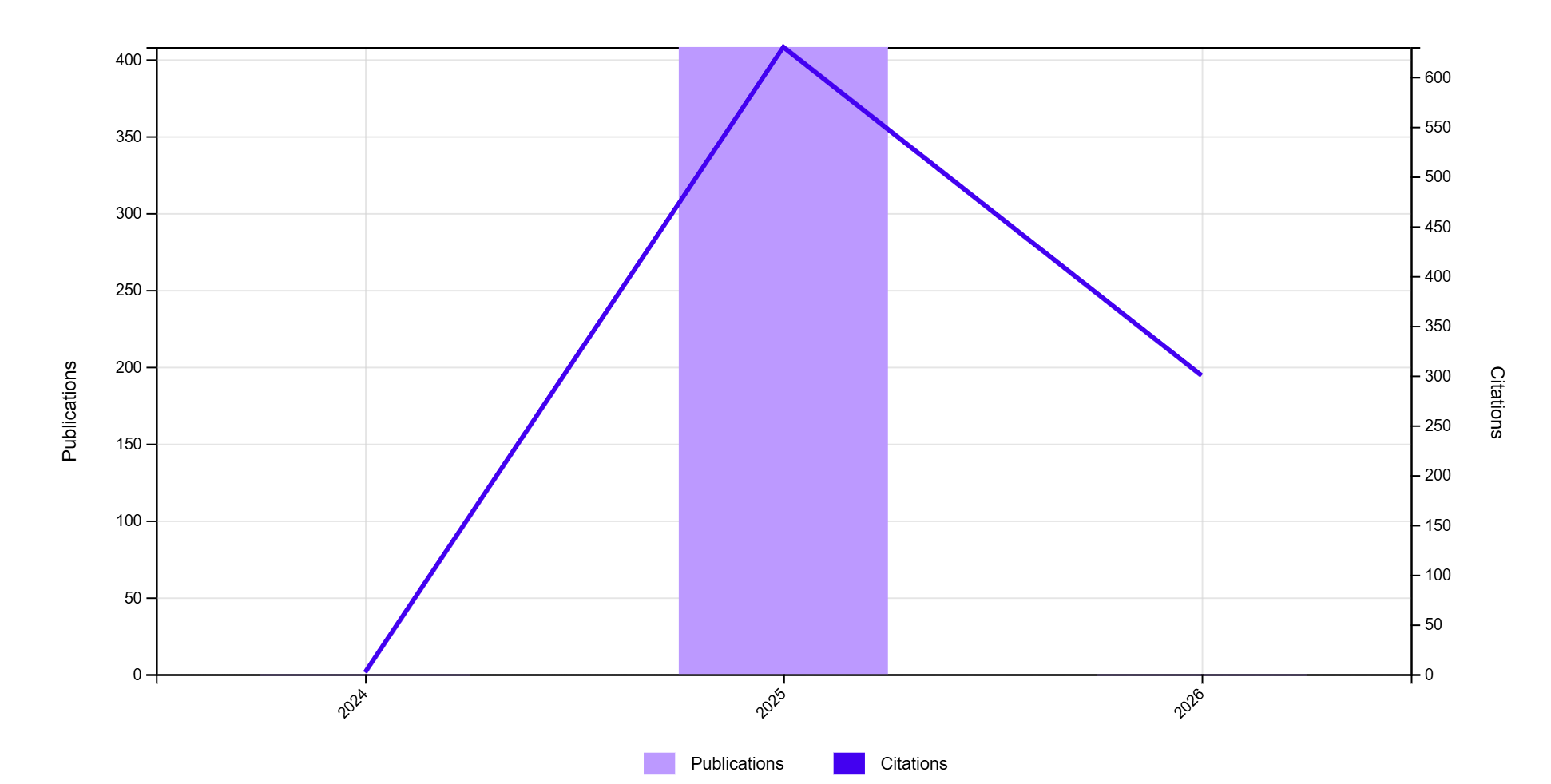
Citation Index:
Publishers:
| Publishers | Record Count | % of 408 |
|---|---|---|
| Elsevier | 101 | 24.755% |
| Springer Nature | 67 | 16.422% |
| Wiley | 53 | 12.990% |
| Public Library Science | 25 | 6.127% |
| Mdpi | 22 | 5.392% |
| Sage | 21 | 5.147% |
| Royal Soc Chemistry | 16 | 3.922% |
| Emerald Group Publishing | 13 | 3.186% |
| Nature Portfolio | 13 | 3.186% |
| IEEE | 9 | 2.206% |
| Taylor & Francis | 8 | 1.961% |
| Keai Publishing Ltd | 7 | 1.716% |
| Frontiers Media Sa | 6 | 1.471% |
| Lippincott Williams & Wilkins | 6 | 1.471% |
| Amer Chemical Soc | 5 | 1.225% |
| Springer Int Publ Ag | 5 | 1.225% |
| Oxford Univ Press | 3 | 0.735% |
| AIP Publishing | 2 | 0.490% |
| Amer Soc Microbiology | 2 | 0.490% |
| Assoc Research Vision Ophthalmology Inc | 2 | 0.490% |
| Bmj Publishing Group | 2 | 0.490% |
| Korean Soc Horticultural Science | 2 | 0.490% |
| Amer Inst Mathematical Sciences-Aims | 1 | 0.245% |
| Bentham Science Publ Ltd | 1 | 0.245% |
| Cambridge Univ Press | 1 | 0.245% |
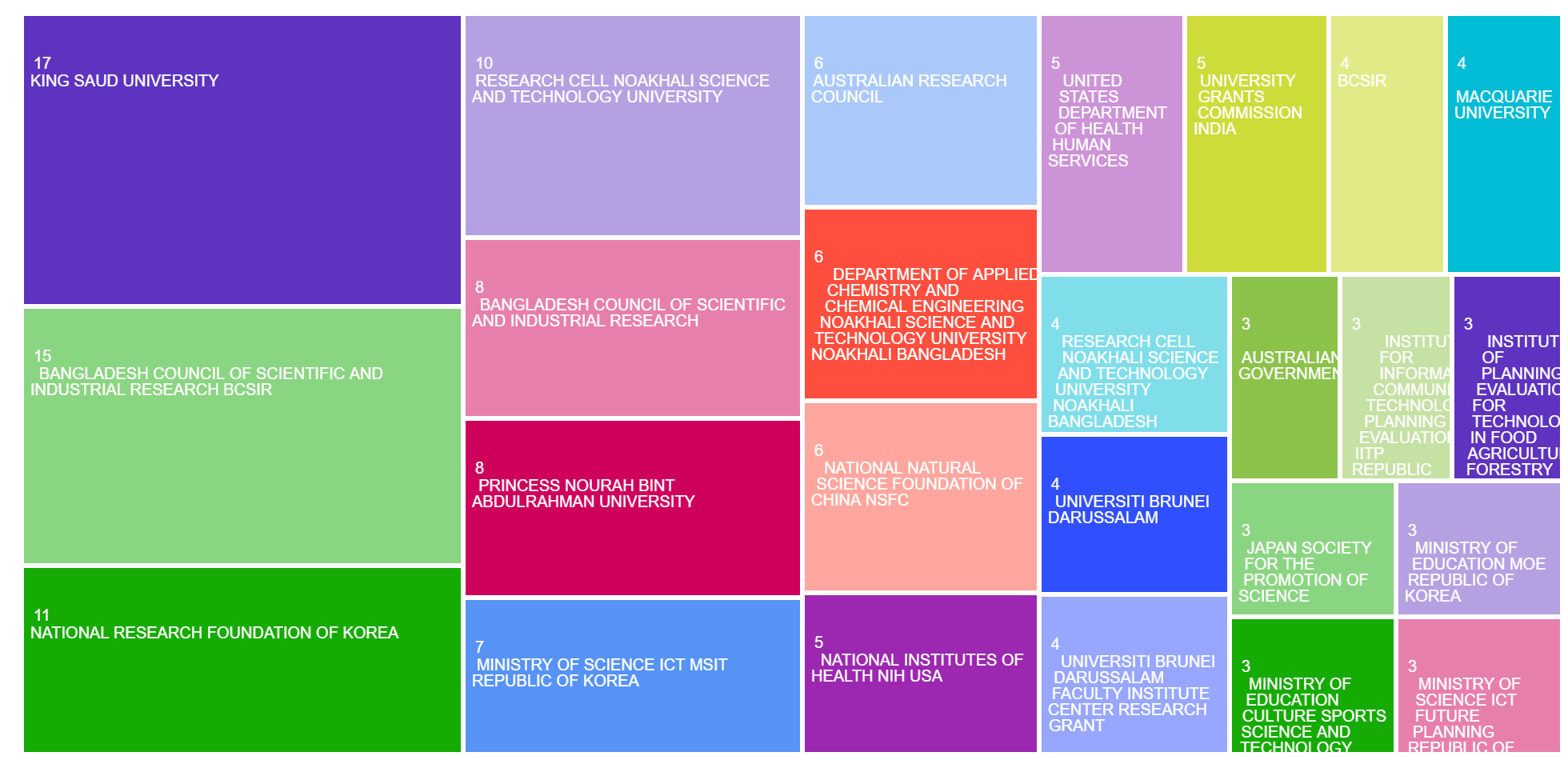
Funding Agencies:
Observations:
-
Most publications are research articles (about 85%), while review articles are only around 11%, showing a focus on original research.
-
Environmental Sciences and related interdisciplinary fields dominate the research areas.
-
There is significant international collaboration, especially with Australia, the USA, and Saudi Arabia.
Questions:
-
Why are review articles relatively low compared to original research articles?
-
How can NSTU expand collaborations with European and other international institutions?
-
What strategies could help diversify research into emerging interdisciplinary fields?
NSTU shows a strong research output with global collaborations, but increasing review publications and exploring diverse emerging areas could enhance its international visibility and impact.