

In 2024, Bangladeshi researchers produced 575 MIDP-indexed publications, with a dominant 98.4% originating from Bangladesh itself and notable collaborations with the USA (25.0%), Australia (18.6%), Japan (13.9%), South Korea (13.4%), and China (13.2%). Articles accounted for 82.3% of the total, while review papers formed 16.3%. Environmental Sciences led the subject categories (18.4%), followed by Environmental Studies (12.3%) and Green Sustainable Science & Technology (11.3%), reflecting a strong emphasis on sustainability and environmental issues. Key contributors include Sharif A. Mukul, Mohammad Ahmad Kanan, and Mohammad Bin Amin, each with seven publications. Open-access publishing was significant at 575 records, underscoring a commitment to broad dissemination. The data reveal an active, internationally connected research community tackling multidisciplinary challenges. Web of Science
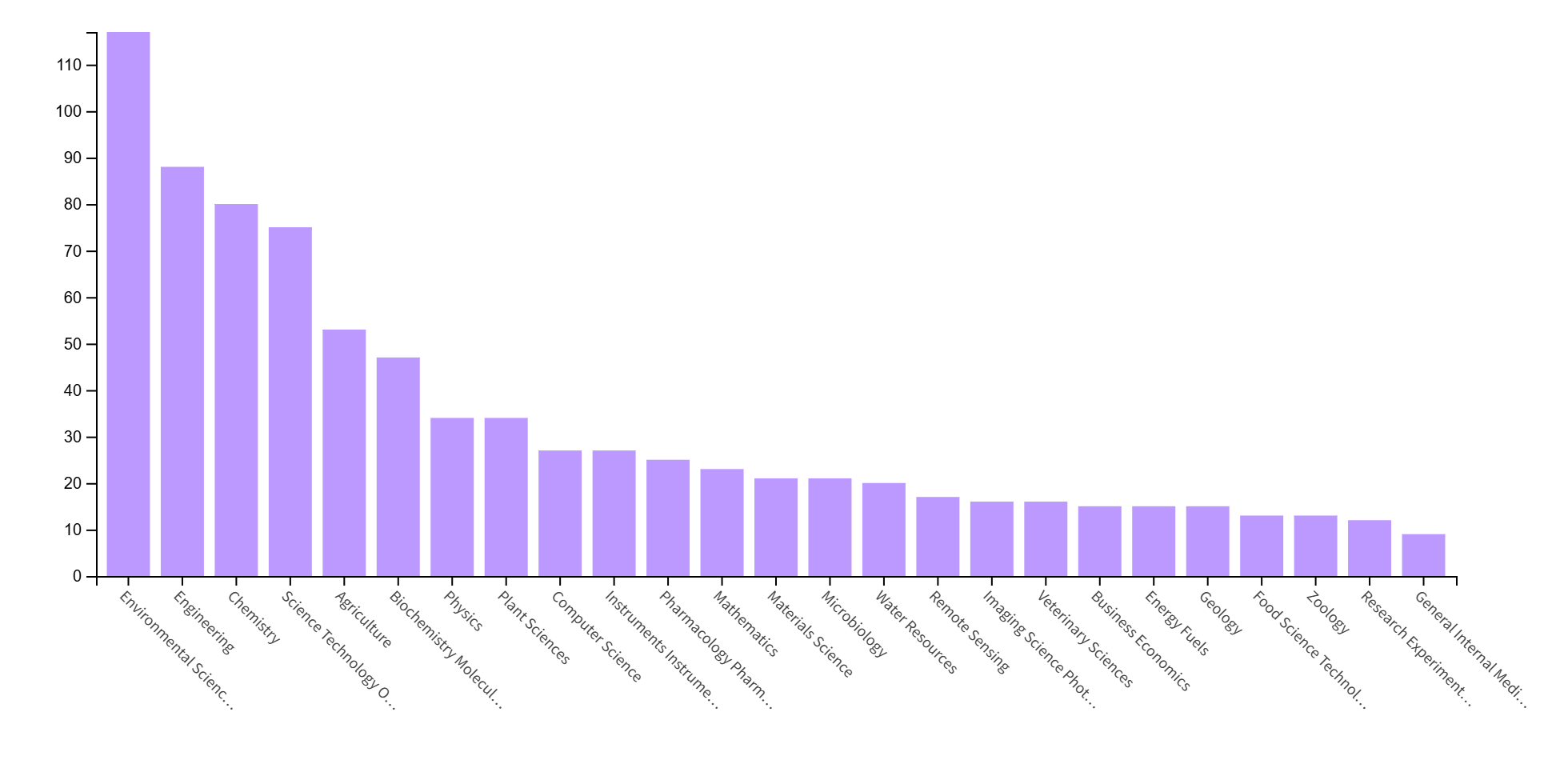
The areas of research publication categories in the TreeMap:

Research contributions in the field:
| Web of Science Categories | Record Count | % of 575 |
|---|---|---|
| Environmental Sciences | 106 | 18.435% |
| Environmental Studies | 71 | 12.348% |
| Green Sustainable Science Technology | 65 | 11.304% |
| Biochemistry Molecular Biology | 47 | 8.174% |
| Chemistry Multidisciplinary | 43 | 7.478% |
| Engineering Electrical Electronic | 39 | 6.783% |
| Plant Sciences | 34 | 5.913% |
| Physics Applied | 31 | 5.391% |
| Chemistry Analytical | 29 | 5.043% |
| Instruments Instrumentation | 27 | 4.696% |
| Agronomy | 26 | 4.522% |
| Pharmacology Pharmacy | 22 | 3.826% |
| Materials Science Multidisciplinary | 21 | 3.652% |
| Microbiology | 21 | 3.652% |
| Computer Science Information Systems | 20 | 3.478% |
| Water Resources | 20 | 3.478% |
| Engineering Multidisciplinary | 17 | 2.957% |
| Remote Sensing | 17 | 2.957% |
| Imaging Science Photographic Technology | 16 | 2.783% |
| Veterinary Sciences | 16 | 2.783% |
| Agriculture Dairy Animal Science | 15 | 2.609% |
| Energy Fuels | 15 | 2.609% |
| Geosciences Multidisciplinary | 15 | 2.609% |
| Chemistry Medicinal | 13 | 2.261% |
| Food Science Technology | 13 | 2.261% |
Research areas:
Types of published documents:
| Document Types | Record Count | % of 575 |
|---|---|---|
| Article | 473 | 82.261% |
| Review Article | 94 | 16.348% |
| Correction | 4 | 0.696% |
| Editorial Material | 2 | 0.348% |
| Retraction | 2 | 0.348% |
| Retracted Publication | 1 | 0.174% |
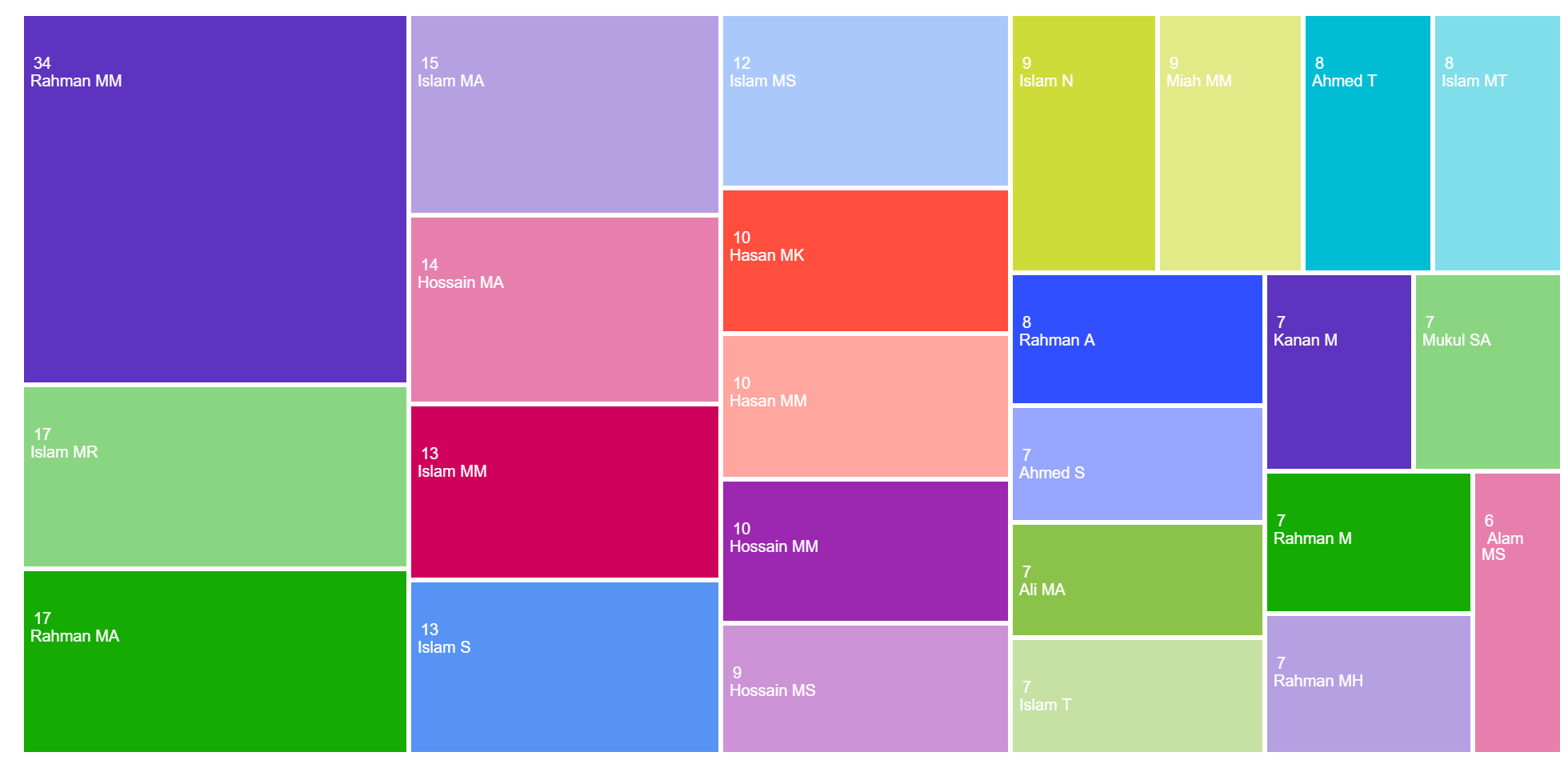
Authors’ infographic (Top 25):
Researcher profiles (Top 25):
| Researcher | Record Count | % of 575 |
|---|---|---|
| Sharif A. Mukul | 7 | 1.217% |
| Kanan, Mohammad Ahmad | 7 | 1.217% |
| Mohammad Bin Amin | 7 | 1.217% |
| Miah, M. Mamun | 6 | 1.043% |
| Rahman, Md Ataur | 6 | 1.043% |
| Zhao, Zhifang | 6 | 1.043% |
| Jia Uddin | 6 | 1.043% |
| Rahman, Rahimi A. | 5 | 0.870% |
| Gazi, Md. Abu Issa | 5 | 0.870% |
| Zhou, Dingyi | 5 | 0.870% |
| Senathirajah, Abdul Rahman Bin S. | 5 | 0.870% |
| Hasanuzzaman, Mirza | 5 | 0.870% |
| Whaiduzzaman, Md | 5 | 0.870% |
| Abdullah, Masuk | 5 | 0.870% |
| Borhan, J. R. M. | 5 | 0.870% |
| Ahsan, Amimul | 5 | 0.870% |
| Hoque Apu, Ehsanul | 4 | 0.696% |
| Kim, Young Hwa | 4 | 0.696% |
| Haq, Monjurul | 4 | 0.696% |
| El-Rashidy, Khaled El-Mohamady | 4 | 0.696% |
| Kawsar, Prof. Dr. S. M. Abe | 4 | 0.696% |
| Ampode, Keiven Mark B. | 4 | 0.696% |
| Harrath, Abdel Halim | 4 | 0.696% |
| Kafy, Abdulla Al | 4 | 0.696% |
| Bonglee Kim | 4 | 0.696% |
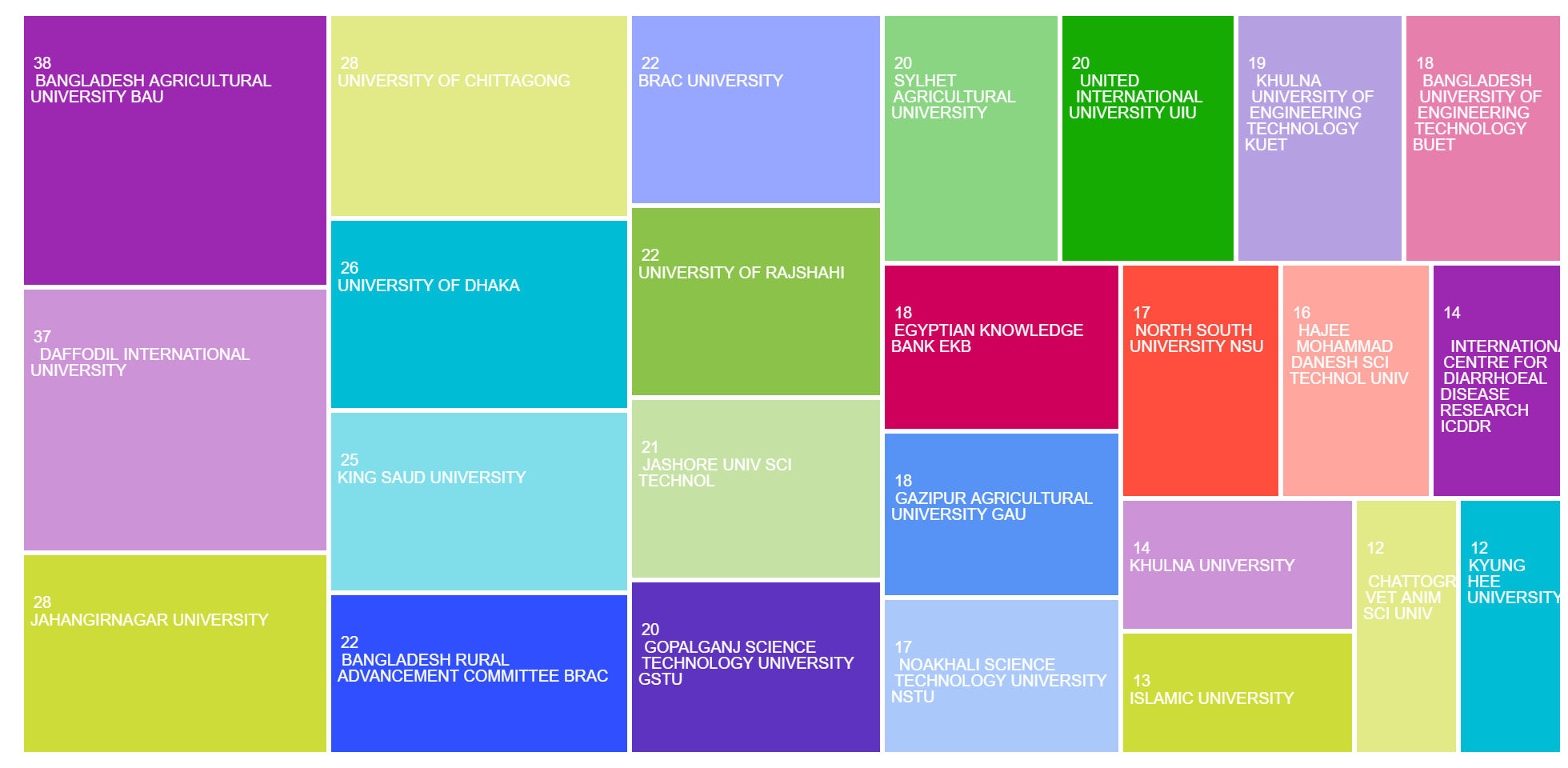
Research-affiliated institutes:
Research collaboration countries:
| Countries | Record Count | % of 575 |
|---|---|---|
| BANGLADESH | 566 | 98.435% |
| USA | 144 | 25.043% |
| AUSTRALIA | 107 | 18.609% |
| JAPAN | 80 | 13.913% |
| SOUTH KOREA | 77 | 13.391% |
| PEOPLES R CHINA | 76 | 13.217% |
| SAUDI ARABIA | 74 | 12.870% |
| MALAYSIA | 45 | 7.826% |
| CANADA | 39 | 6.783% |
| INDIA | 34 | 5.913% |
| ENGLAND | 27 | 4.696% |
| PAKISTAN | 24 | 4.174% |
| EGYPT | 19 | 3.304% |
| SPAIN | 15 | 2.609% |
| GERMANY | 14 | 2.435% |
| JORDAN | 14 | 2.435% |
| THAILAND | 14 | 2.435% |
| HUNGARY | 13 | 2.261% |
| ITALY | 12 | 2.087% |
| INDONESIA | 11 | 1.913% |
| SCOTLAND | 10 | 1.739% |
| PORTUGAL | 8 | 1.391% |
| PHILIPPINES | 7 | 1.217% |
| TURKIYE | 7 | 1.217% |
| ALGERIA | 6 | 1.043% |
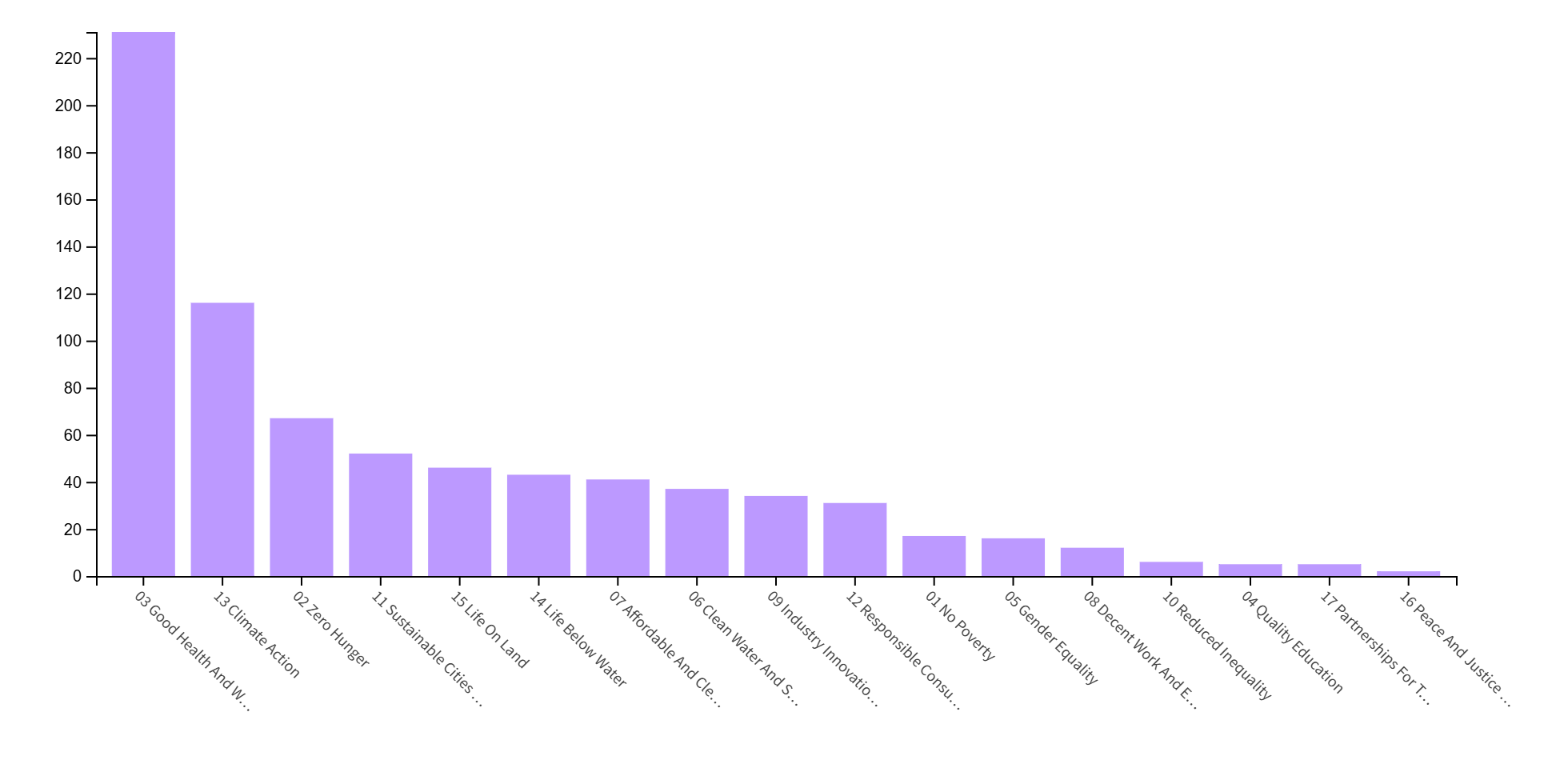
Sustainable Development Goals:
Web of Science Index:
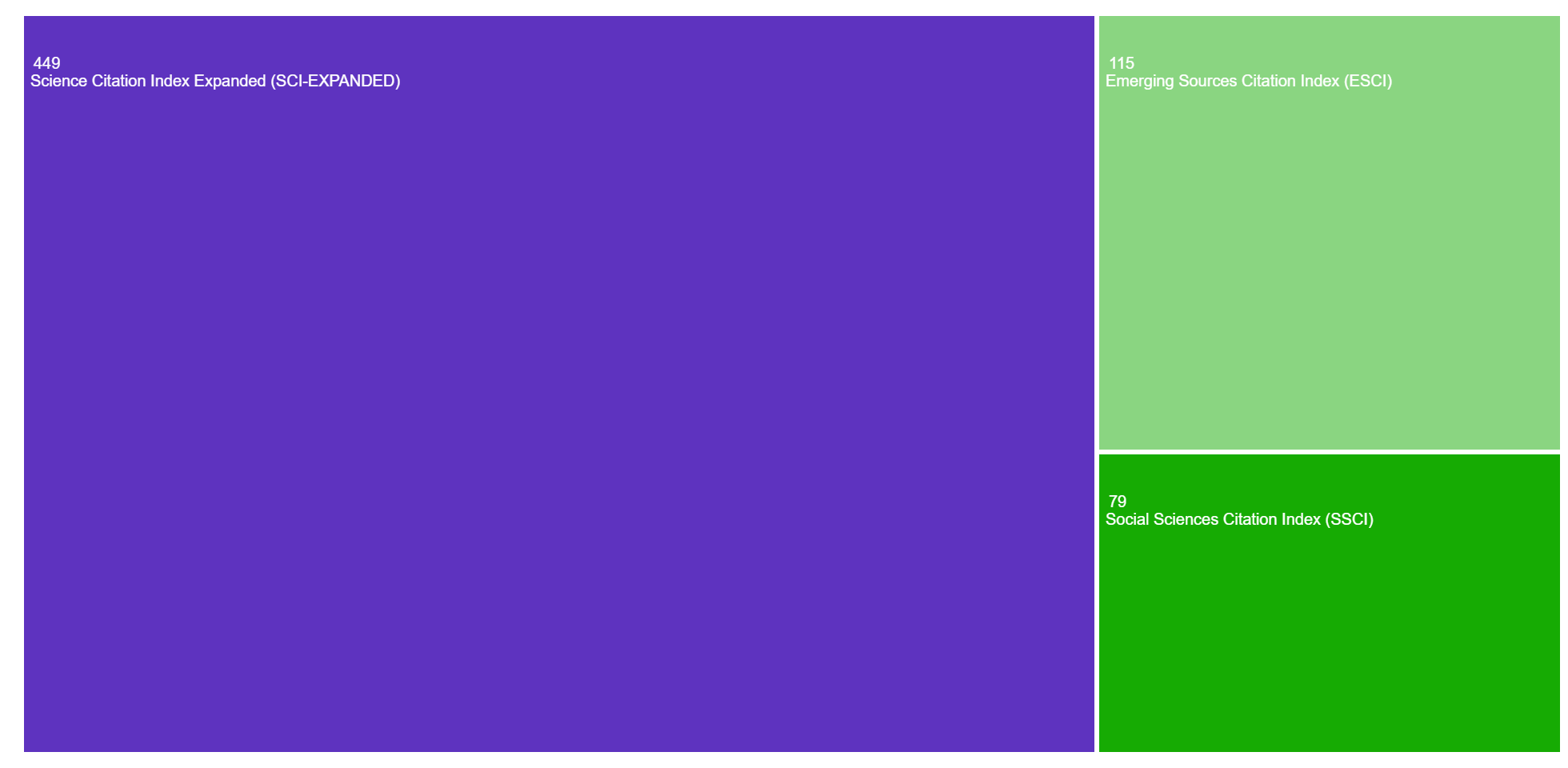
Research highlights of MDPI publications from Bangladesh:
| Type | Results |
|---|---|
| Review Article | 94 |
| Open Access | 575 |
| Enriched Cited References | 363 |
Observations:
-
Environmental disciplines dominate, signaling Bangladesh’s research priority on sustainability and climate-related topics.
-
Collaboration spans multiple continents, with strong links to North America, Asia, and Europe despite Bangladesh being the primary publication origin.
-
A small number of researchers (three with seven papers each) play a major role, suggesting influential research leaders within the Bangladeshi academic network.
Questions:
-
What funding sources or institutional policies are driving the high proportion of environmental and sustainability research?
-
How does the relatively high number of international collaborators influence research quality and citation impact?
-
Are the few prolific authors centralizing research leadership, or is there a broader effort to build capacity among early-career scientists?
This dataset highlights Bangladesh’s growing global research presence in MIDP, showing a healthy balance of local leadership and international collaboration while addressing critical environmental and sustainability issues.