

In 2024, Bangladeshi researchers produced 692 publications in Taylor & Francis journals, with an overwhelming 99.28% involving authors based in Bangladesh. The output shows strong international collaboration, notably with the USA (18.06%), Malaysia (13.30%), Australia and India (each 9.97%), and China and Saudi Arabia (each 9.25%). Articles dominate the document types (88.58%), followed by early access items (10.84%) and review articles (7.66%). Leading research categories include Environmental Sciences (8.24%), Biochemistry & Molecular Biology (5.64%), and Analytical Chemistry (5.64%). Key contributors are Khandaker Mayeen Uddin (1.73%) and Yeasmin Selina (1.45%), among others, highlighting both individual productivity and wide subject diversity. Web of Science
The areas of research publication categories in the TreeMap:
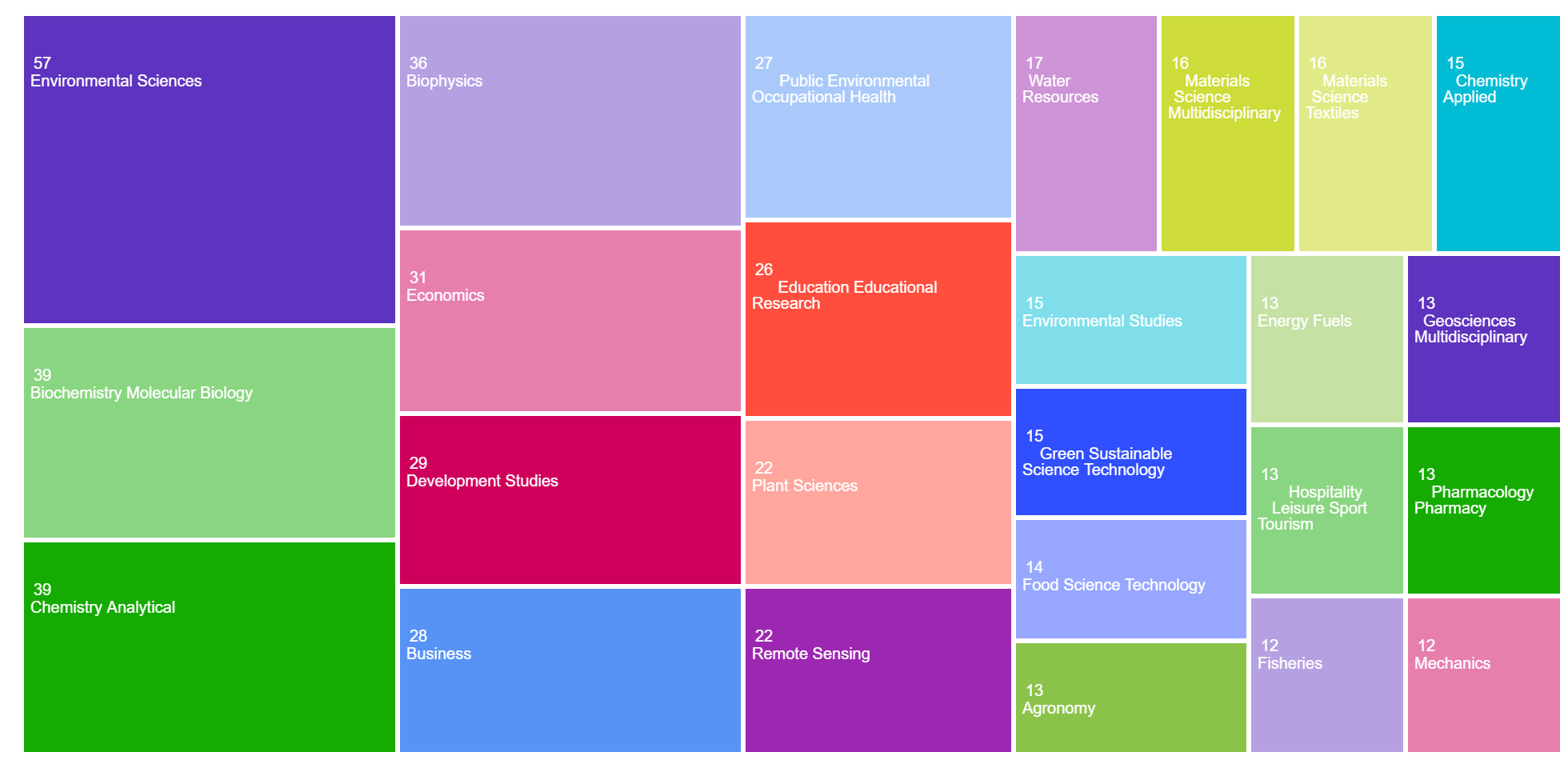
Research contributions in the field:
| Web of Science Categories | Record Count | % of 692 |
|---|---|---|
| Environmental Sciences | 57 | 8.237% |
| Biochemistry Molecular Biology | 39 | 5.636% |
| Chemistry Analytical | 39 | 5.636% |
| Biophysics | 36 | 5.202% |
| Economics | 31 | 4.480% |
| Development Studies | 29 | 4.191% |
| Business | 28 | 4.046% |
| Public Environmental Occupational Health | 27 | 3.902% |
| Education Educational Research | 26 | 3.757% |
| Plant Sciences | 22 | 3.179% |
| Remote Sensing | 22 | 3.179% |
| Water Resources | 17 | 2.457% |
| Materials Science Multidisciplinary | 16 | 2.312% |
| Materials Science Textiles | 16 | 2.312% |
| Chemistry Applied | 15 | 2.168% |
| Environmental Studies | 15 | 2.168% |
| Green Sustainable Science Technology | 15 | 2.168% |
| Food Science Technology | 14 | 2.023% |
| Agronomy | 13 | 1.879% |
| Energy Fuels | 13 | 1.879% |
| Geosciences Multidisciplinary | 13 | 1.879% |
| Hospitality Leisure Sport Tourism | 13 | 1.879% |
| Pharmacology Pharmacy | 13 | 1.879% |
| Fisheries | 12 | 1.734% |
| Mechanics | 12 | 1.734% |
Research areas:
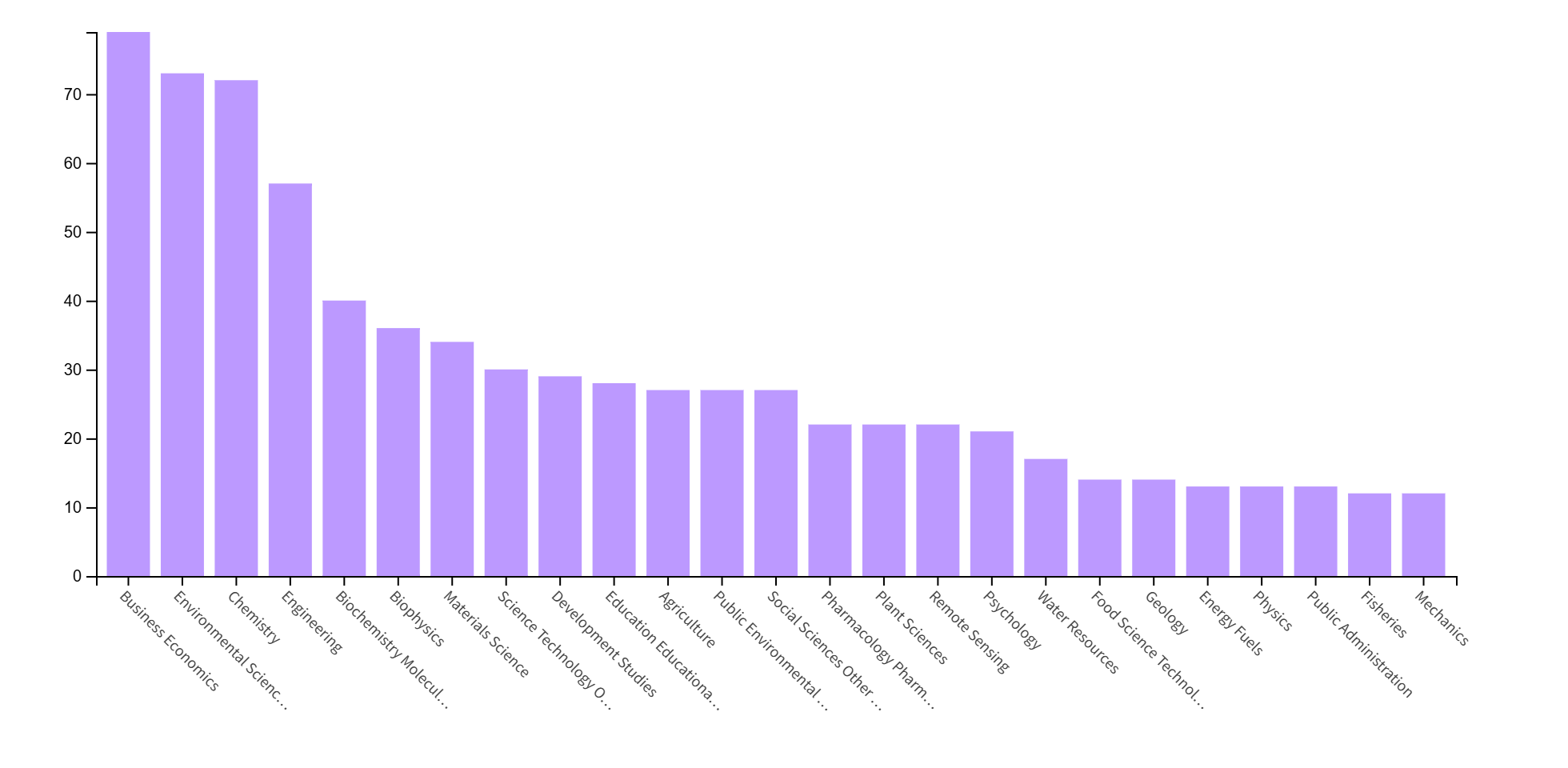
Types of published documents:
| Document Types | Record Count | % of 692 |
|---|---|---|
| Article | 613 | 88.584% |
| Early Access | 75 | 10.838% |
| Review Article | 53 | 7.659% |
| Editorial Material | 12 | 1.734% |
| Book Review | 9 | 1.301% |
| Letter | 2 | 0.289% |
| Meeting Abstract | 2 | 0.289% |
| Retracted Publication | 2 | 0.289% |
| Poetry | 1 | 0.145% |
Authors’ infographic (Top 25):
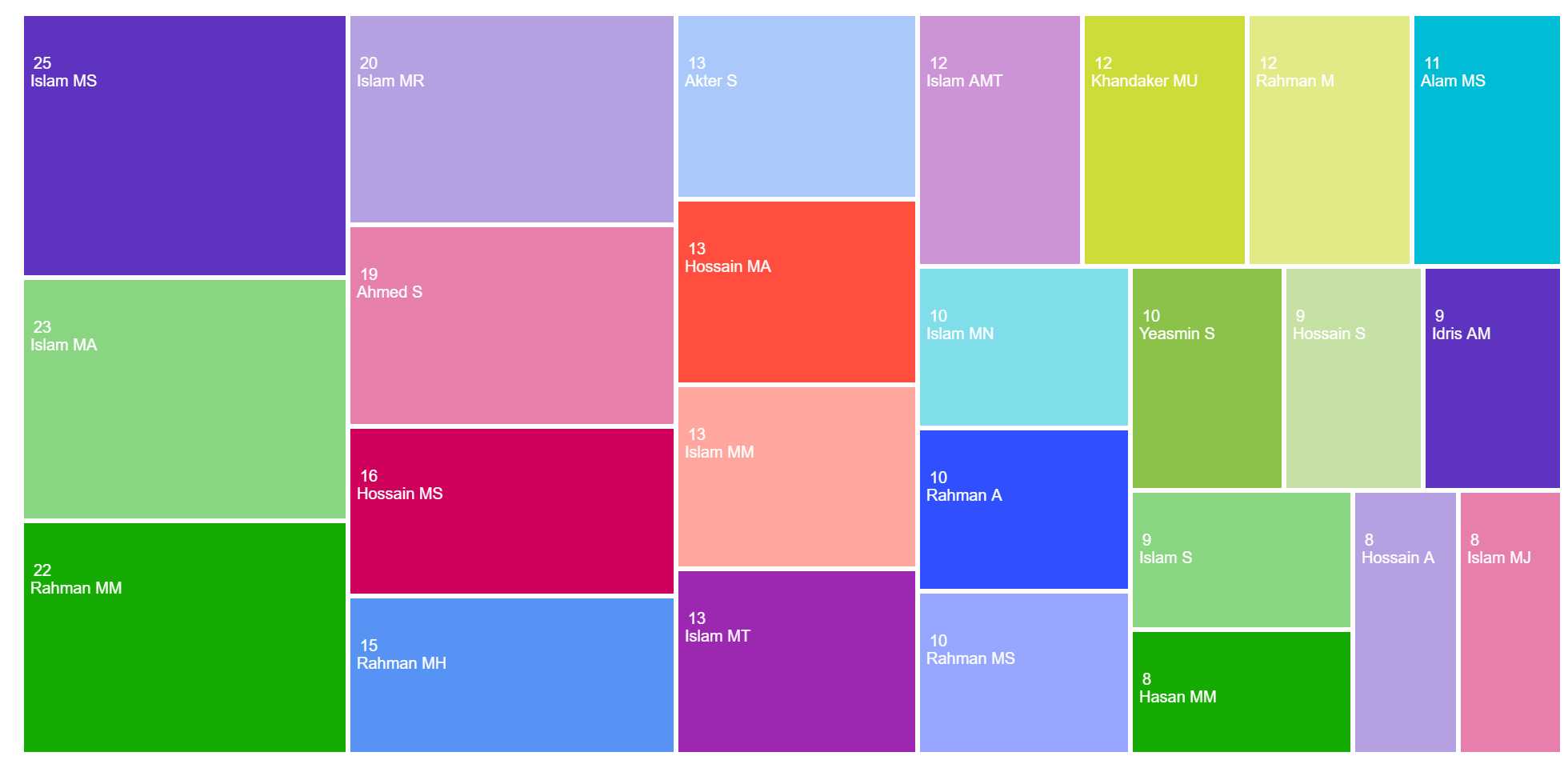
Researcher profiles (Top 25):
| Researcher | Record Count | % of 692 |
|---|---|---|
| Khandaker, Mayeen Uddin | 12 | 1.734% |
| Yeasmin, Selina | 10 | 1.445% |
| Islam, Md Saiful | 10 | 1.445% |
| Idris, Abubakr | 9 | 1.301% |
| Rashid, Bazlar | 7 | 1.012% |
| Islam, Abu | 7 | 1.012% |
| Siraz, M.M. Mahfuz | 7 | 1.012% |
| Alam, Mohammad Shafiqul | 7 | 1.012% |
| Pal, Subodh Chandra | 6 | 0.867% |
| Kawsar, Prof. Dr. S. M. Abe | 6 | 0.867% |
| Roney, Miah | 6 | 0.867% |
| Hoque, Md. Anamul | 6 | 0.867% |
| Aluwi, Mohd Fadhlizil Fasihi Mohd | 6 | 0.867% |
| Halim, Mohammad A. | 5 | 0.723% |
| Alam, Edris | 5 | 0.723% |
| Talukder, Mesbah | 5 | 0.723% |
| Aditya Gupta | 5 | 0.723% |
| Ismail, Zaleha | 5 | 0.723% |
| Osman, Hamid | 5 | 0.723% |
| Ibrahim, Khalid Ahmed | 5 | 0.723% |
| Al Mahmud, Jubair | 5 | 0.723% |
| Islam, Abu Reza Md. Towfiqul | 5 | 0.723% |
| Islam, Kamrul | 5 | 0.723% |
| Ahmed, Selim | 5 | 0.723% |
| Md Aminul Islam | 5 | 0.723% |
Research-affiliated institutes:
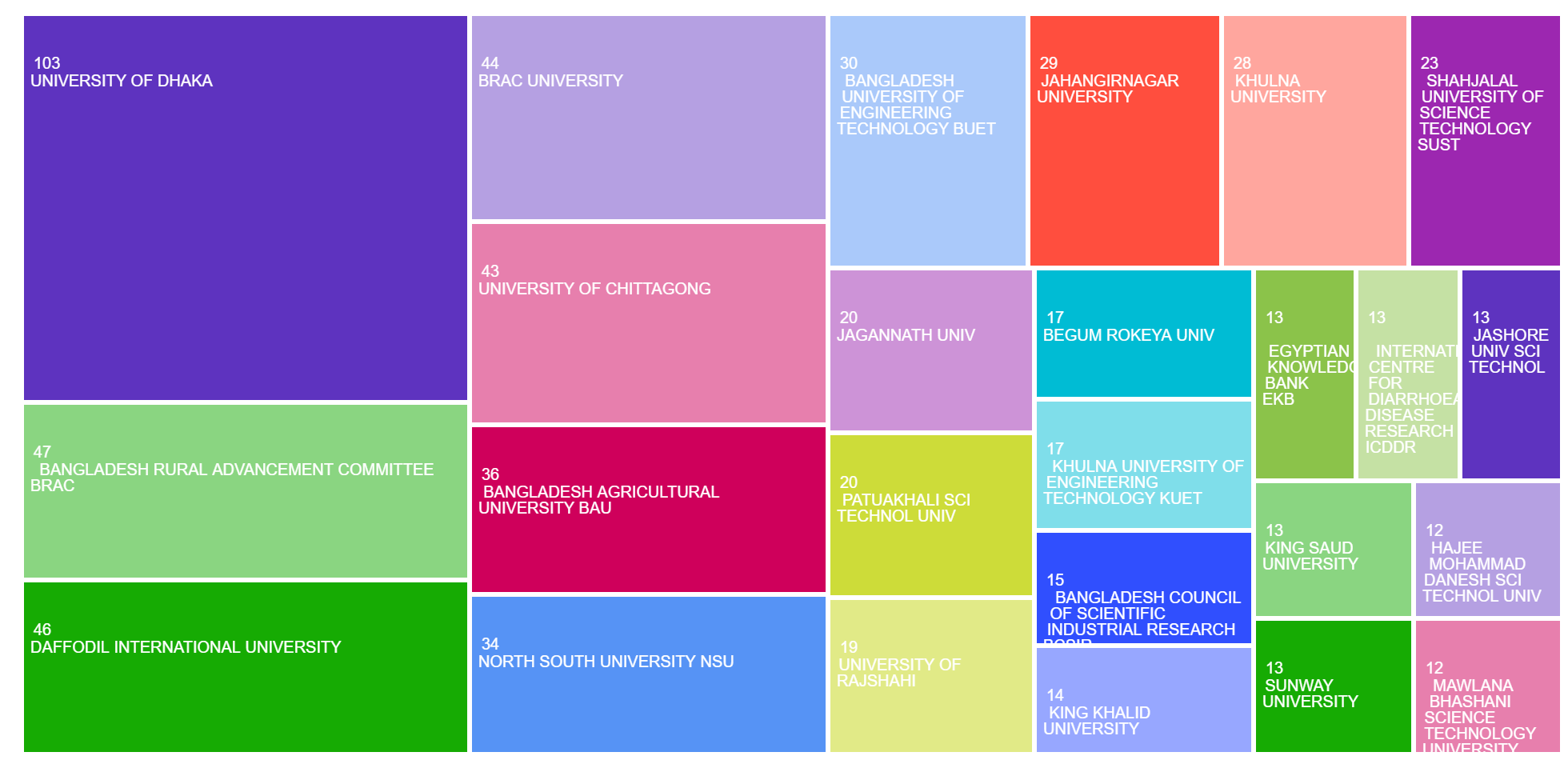
Research collaboration countries:
| Countries | Record Count | % of 692 |
|---|---|---|
| Bangladesh | 687 | 99.277% |
| USA | 125 | 18.064% |
| Malaysia | 92 | 13.295% |
| Australia | 69 | 9.971% |
| India | 69 | 9.971% |
| Peoples R China | 64 | 9.249% |
| Saudi Arabia | 64 | 9.249% |
| England | 49 | 7.081% |
| Canada | 32 | 4.624% |
| Japan | 28 | 4.046% |
| Pakistan | 25 | 3.613% |
| U Arab Emirates | 24 | 3.468% |
| Germany | 16 | 2.312% |
| Thailand | 16 | 2.312% |
| Egypt | 14 | 2.023% |
| Turkiye | 13 | 1.879% |
| Indonesia | 12 | 1.734% |
| South Korea | 12 | 1.734% |
| Iraq | 11 | 1.590% |
| Italy | 11 | 1.590% |
| South Africa | 11 | 1.590% |
| Switzerland | 11 | 1.590% |
| Spain | 10 | 1.445% |
| Sweden | 10 | 1.445% |
| Brazil | 8 | 1.156% |
Sustainable Development Goals:

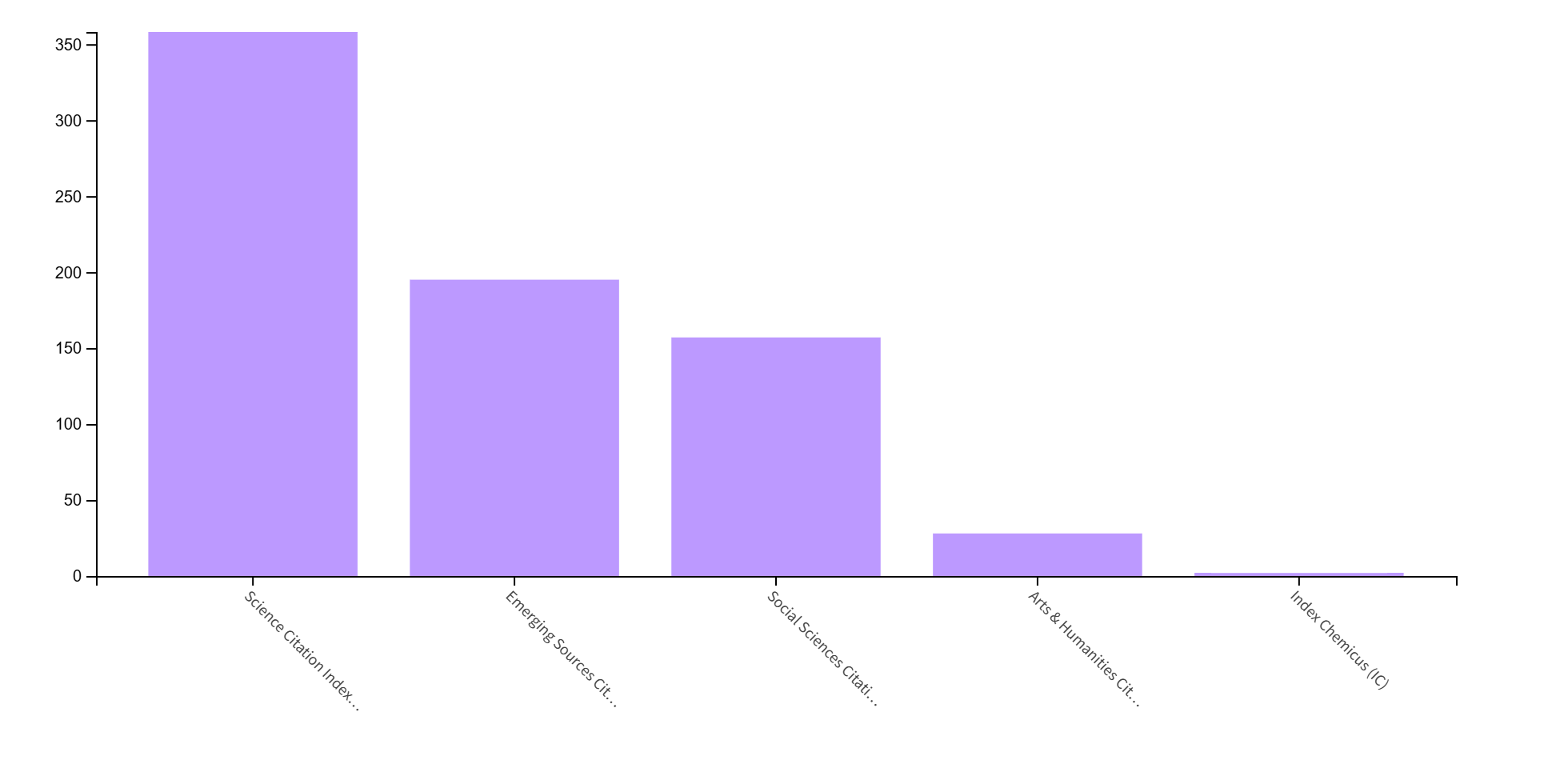
Web of Science Index:
Research highlights of Taylor & Francis publications from Bangladesh:
| Type | Results |
|---|---|
| Review Article | 53 |
| Early Access | 75 |
| Open Access | 157 |
| Enriched Cited References | 494 |
Observations:
-
Environmental and biochemical fields are the most prominent, reflecting global sustainability and health priorities.
-
Collaboration with North America, Asia, and the Middle East is robust, showing Bangladesh’s growing international research network.
-
Articles and early-access papers indicate a steady flow of both established and cutting-edge research.
Questions:
-
What funding sources or national policies are driving Bangladesh’s strong environmental science output?
-
How does the citation impact of these papers compare with global averages in similar disciplines?
-
Are early-access publications translating into high-impact final articles over time?
Bangladesh’s 2024 Taylor & Francis research profile demonstrates impressive domestic leadership combined with diverse international collaborations, suggesting a mature and globally connected research ecosystem poised for further influence.