
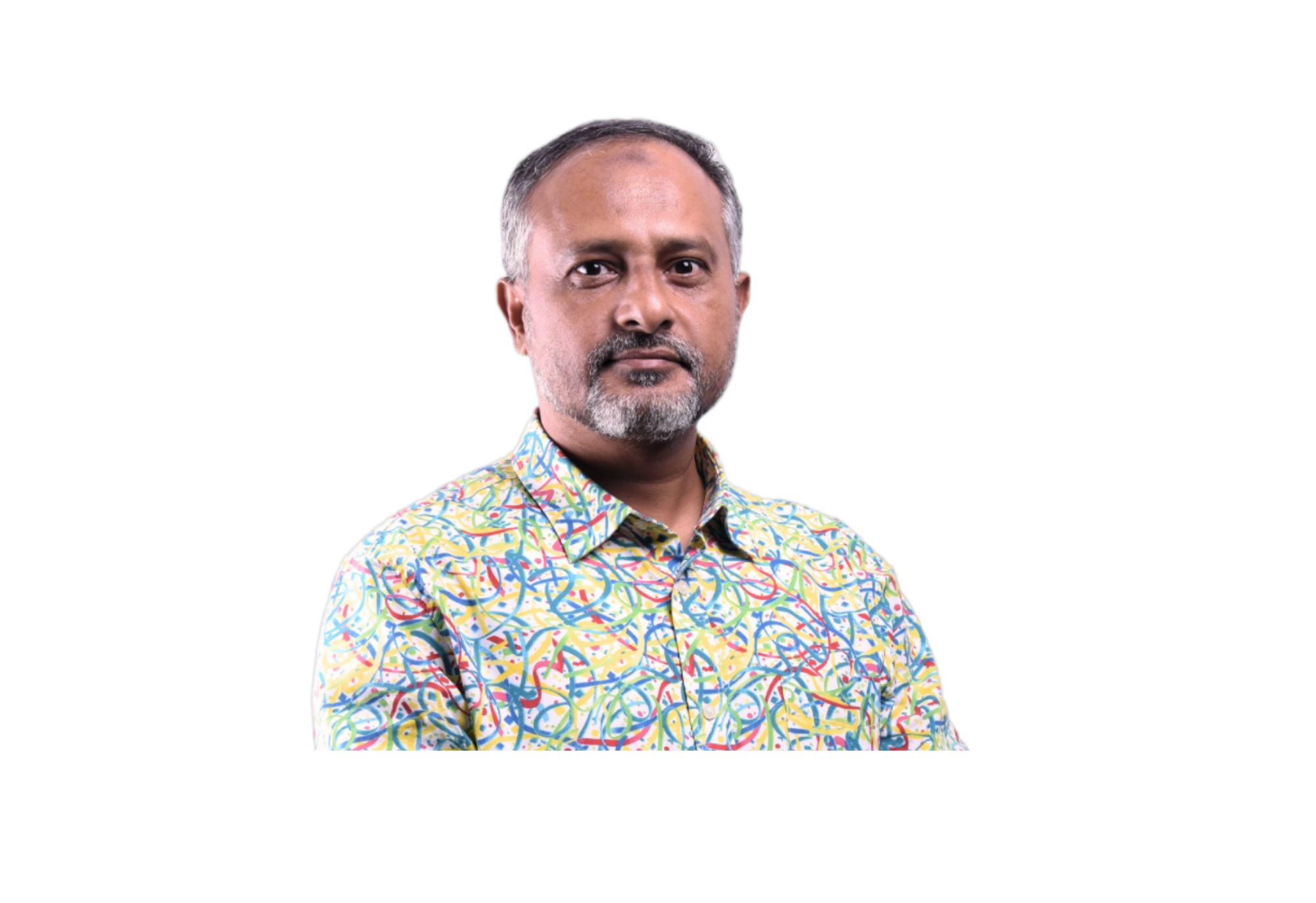
Professor Dr. Mayeen Uddin Khandaker is a distinguished Bangladeshi physicist whose career spans world-leading institutions in Asia, Europe, and the Middle East. He completed both his BSc and MSc in Physics from the University of Chittagong. He later pursued a PhD in Radiation and Nuclear Physics in South Korea and subsequently undertook postdoctoral research at the Korea Atomic Energy Research Institute (KAERI). Currently, Dr. Khandaker is a Professor of Physics at Sunway University, Malaysia. He also served as a nuclear scientist at the Bangladesh Atomic Energy Commission (BAEC), the International Atomic Energy Agency (IAEA) in Austria, and other renowned global institutes.
In Web of Science (2024), Professor Mayeen Uddin Khandaker appears as the author on 89 indexed records, dominated by original research articles (80/89). The works concentrate on nuclear science & technology, physical chemistry, and atomic/molecular physics, while also spanning radiology, environmental science, and materials topics. Collaboration is strongly international (notably Bangladesh and Malaysia are present on all records, with high representation from Saudi Arabia and several other countries). Many outputs are open access (43), and the corpus includes review articles, corrections, and one retracted item—indicating both broad dissemination and the need to monitor quality control. Dr. Mayeen Uddin Khandaker (Web of Science)
The areas of research publication categories in the TreeMap:
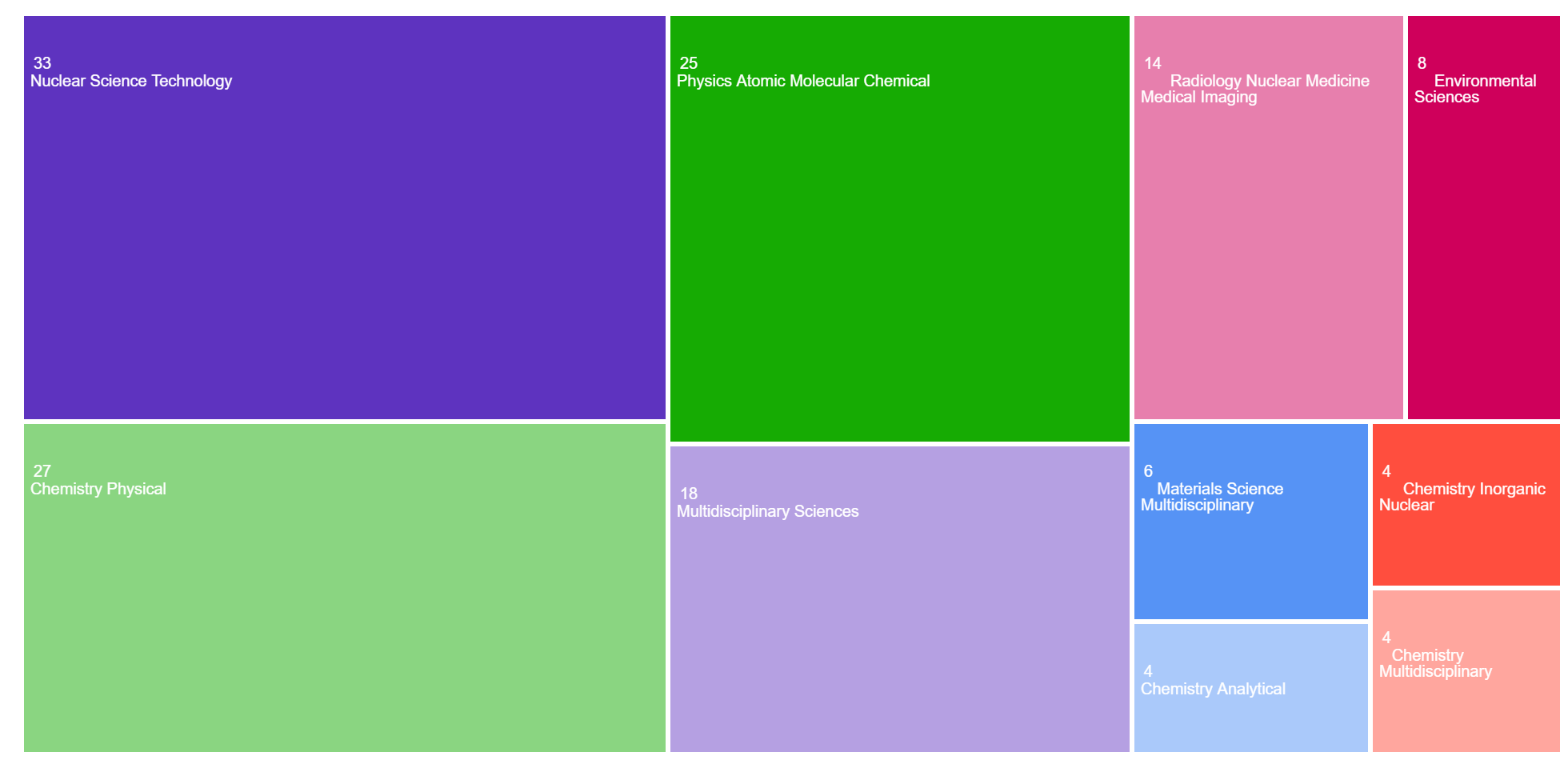
Research contributions in the field:
| Categories | Record Count | % of 89 |
|---|---|---|
| Nuclear Science Technology | 33 | 37.079% |
| Chemistry Physical | 27 | 30.337% |
| Physics Atomic Molecular Chemical | 25 | 28.090% |
| Multidisciplinary Sciences | 18 | 20.225% |
| Radiology Nuclear Medicine Medical Imaging | 14 | 15.730% |
| Environmental Sciences | 8 | 8.989% |
| Materials Science Multidisciplinary | 6 | 6.742% |
| Chemistry Analytical | 4 | 4.494% |
| Chemistry Inorganic Nuclear | 4 | 4.494% |
| Chemistry Multidisciplinary | 4 | 4.494% |
| Physics Multidisciplinary | 4 | 4.494% |
| Physics Applied | 3 | 3.371% |
| Engineering Multidisciplinary | 2 | 2.247% |
| Medicine Research Experimental | 2 | 2.247% |
| Engineering Biomedical | 1 | 1.124% |
| Engineering Electrical Electronic | 1 | 1.124% |
| Health Care Sciences Services | 1 | 1.124% |
| Health Policy Services | 1 | 1.124% |
| Infectious Diseases | 1 | 1.124% |
| Instruments Instrumentation | 1 | 1.124% |
| Marine Freshwater Biology | 1 | 1.124% |
| Materials Science Paper Wood | 1 | 1.124% |
| Medical Informatics | 1 | 1.124% |
| Medicine General Internal | 1 | 1.124% |
| Obstetrics Gynecology | 1 | 1.124% |
Research areas:
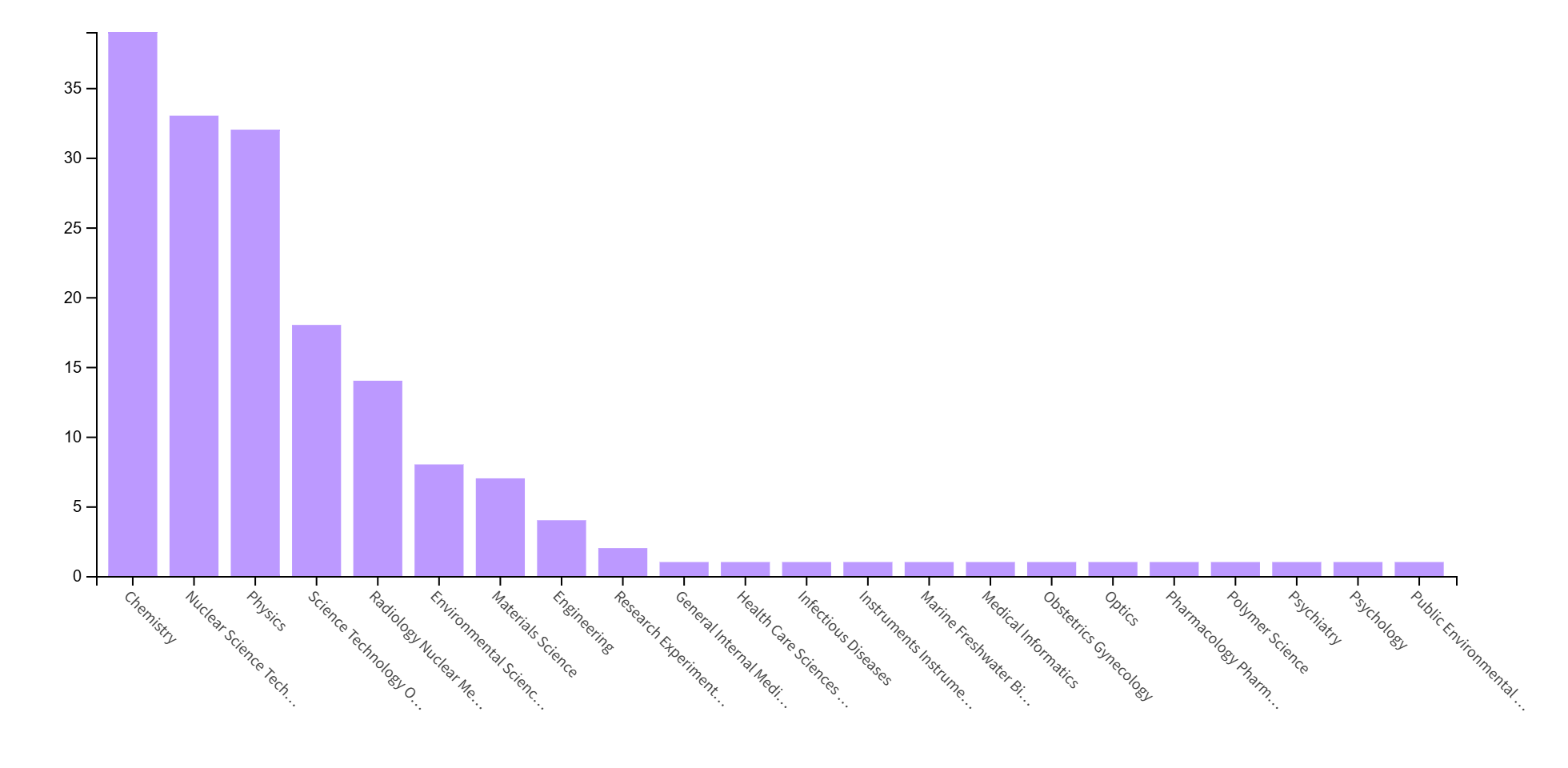
Types of published documents:
| Types | Record Count | % of 89 |
|---|---|---|
| Article | 80 | 89.888% |
| Review Article | 5 | 5.618% |
| Correction | 4 | 4.494% |
| Early Access | 2 | 2.247% |
| Retracted Publication | 1 | 1.124% |
Authors’ infographic (Top 25):
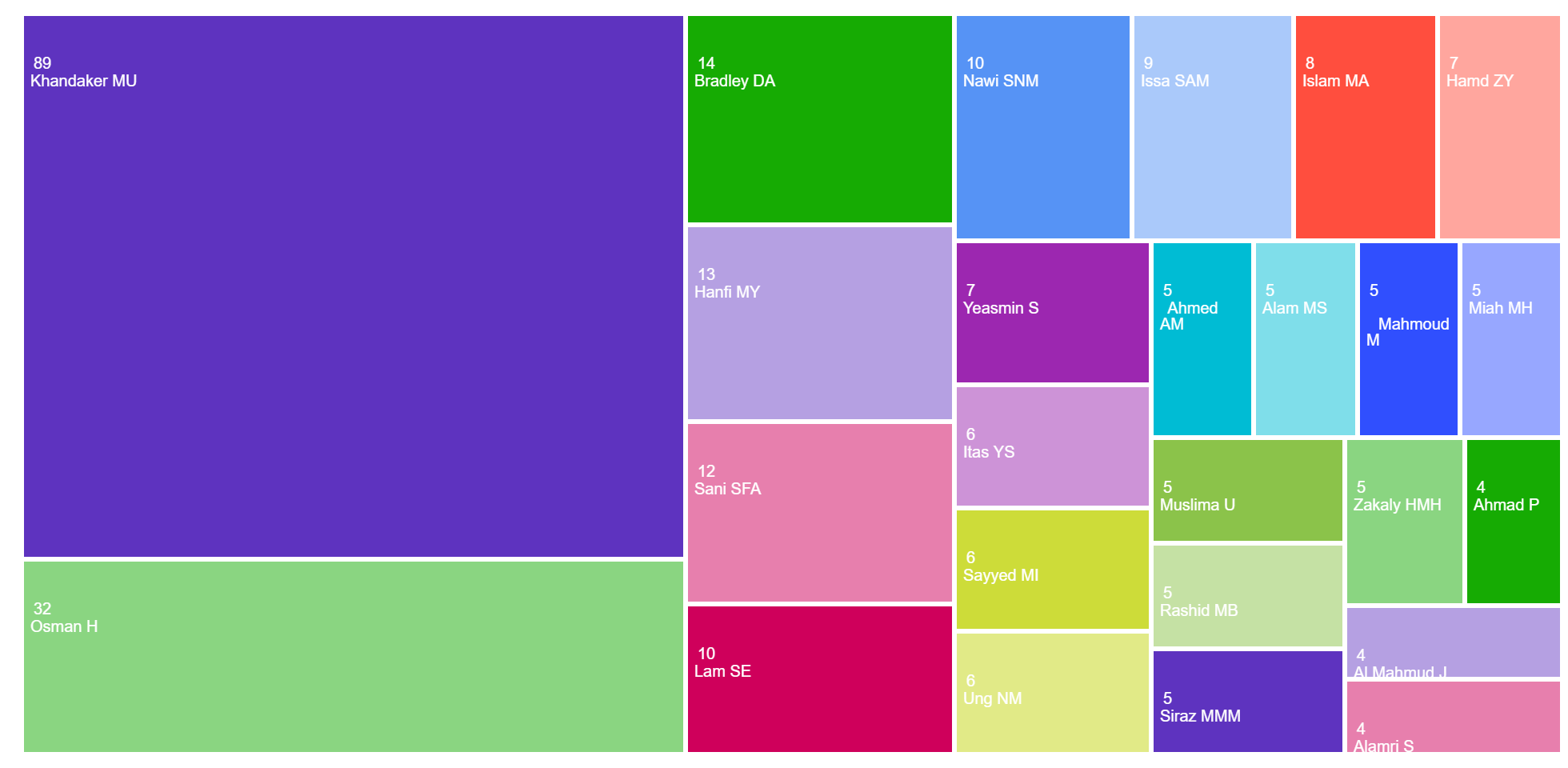
Researcher profiles (Top 25):
| Researchers | Record Count | % of 89 |
|---|---|---|
| Khandaker, Mayeen Uddin | 89 | 100.000% |
| Osman, Hamid | 32 | 35.955% |
| Bradley, David Andrew | 14 | 15.730% |
| abdul sani, siti fairus | 12 | 13.483% |
| Hanfi, Mohamed | 11 | 12.360% |
| Lam, Siok Ee | 10 | 11.236% |
| mat nawi, siti nurasiah Binti | 10 | 11.236% |
| Issa, Shams | 9 | 10.112% |
| Islam, Mohammad Aminul | 8 | 8.989% |
| Mahmoud, Prof. Mustafa Z. | 8 | 8.989% |
| Yeasmin, Selina | 7 | 7.865% |
| Hamd, Zuhal | 7 | 7.865% |
| Sayyed, M.I | 6 | 6.742% |
| Saadu Itas, Yahaya | 6 | 6.742% |
| UNG, NGIE MIN | 6 | 6.742% |
| ZAKALY, H. M.H. | 5 | 5.618% |
| Rashid, Bazlar | 5 | 5.618% |
| Miah, Md. Helal | 5 | 5.618% |
| Siraz, M.M. Mahfuz | 5 | 5.618% |
| Mohamed Ahmed, Amna | 5 | 5.618% |
| Muslima, Umme | 5 | 5.618% |
| Ahmad, Prof Dr. Pervaiz | 4 | 4.494% |
| Alzimami, Khalid | 4 | 4.494% |
| Iqbal Faruque, Mohammad Rashed | 4 | 4.494% |
| Rahman, Md saidur | 4 | 4.494% |
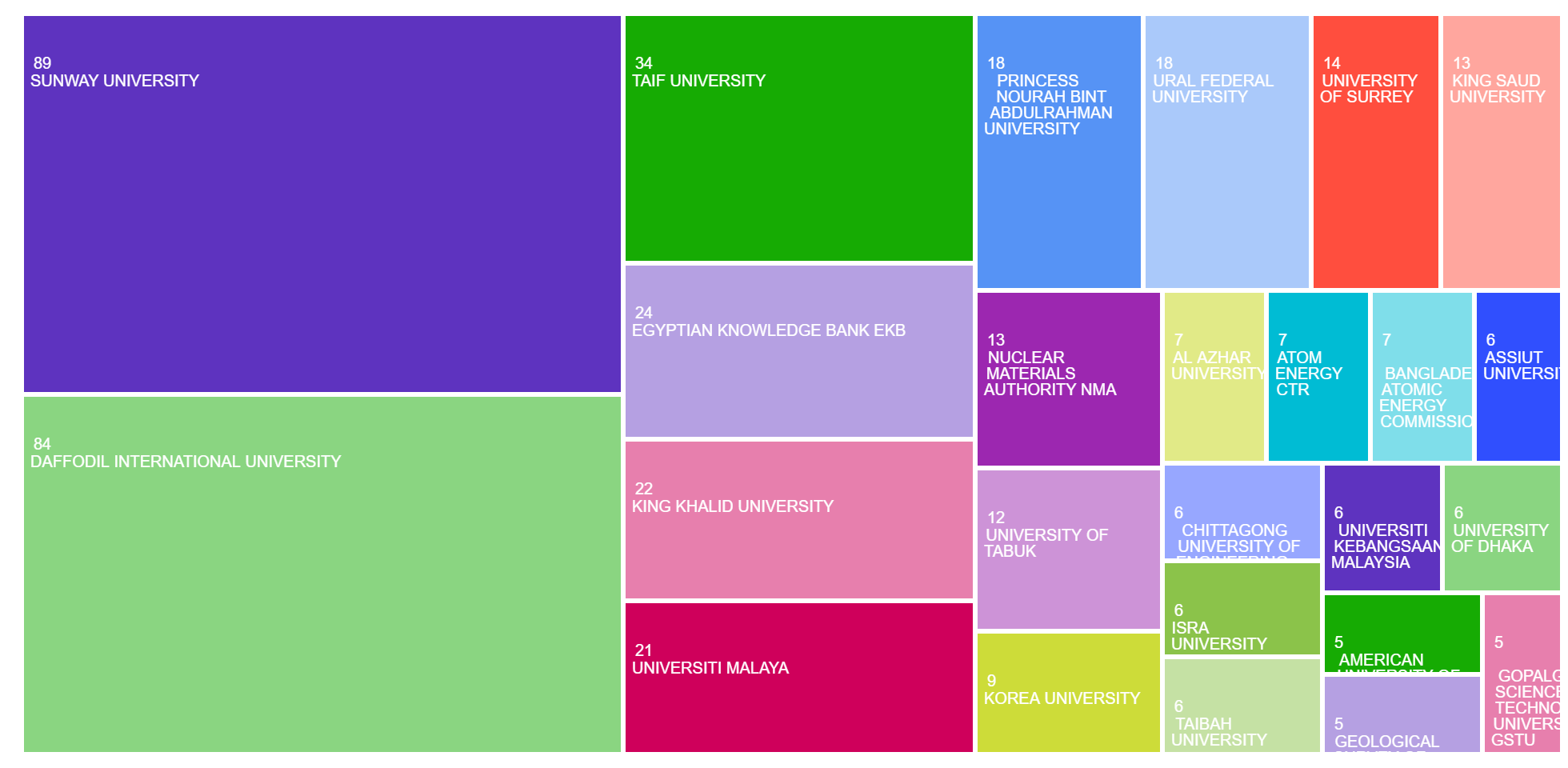
Research-affiliated institutes:
Research collaboration countries:
| Countries/Regions | Record Count | % of 89 |
|---|---|---|
| Bangladesh | 89 | 100.000% |
| Malaysia | 89 | 100.000% |
| Saudi Arabia | 73 | 82.022% |
| Egypt | 24 | 26.966% |
| England | 18 | 20.225% |
| Russia | 18 | 20.225% |
| South Korea | 12 | 13.483% |
| Jordan | 11 | 12.360% |
| Nigeria | 9 | 10.112% |
| Pakistan | 8 | 8.989% |
| Kuwait | 6 | 6.742% |
| People’s Republic of China | 5 | 5.618% |
| Turkiye | 5 | 5.618% |
| United Arab Emirates | 5 | 5.618% |
| Australia | 3 | 3.371% |
| Austria | 3 | 3.371% |
| Azerbaijan | 3 | 3.371% |
| India | 3 | 3.371% |
| Japan | 3 | 3.371% |
| Qatar | 3 | 3.371% |
| Sudan | 3 | 3.371% |
| Tunisia | 3 | 3.371% |
| USA | 3 | 3.371% |
| Germany | 2 | 2.247% |
| Syria | 2 | 2.247% |
| Thailand | 2 | 2.247% |
| Algeria | 1 | 1.124% |
| Belarus | 1 | 1.124% |
| Ecuador | 1 | 1.124% |
| Iran | 1 | 1.124% |
| Iraq | 1 | 1.124% |
| Yemen | 1 | 1.124% |
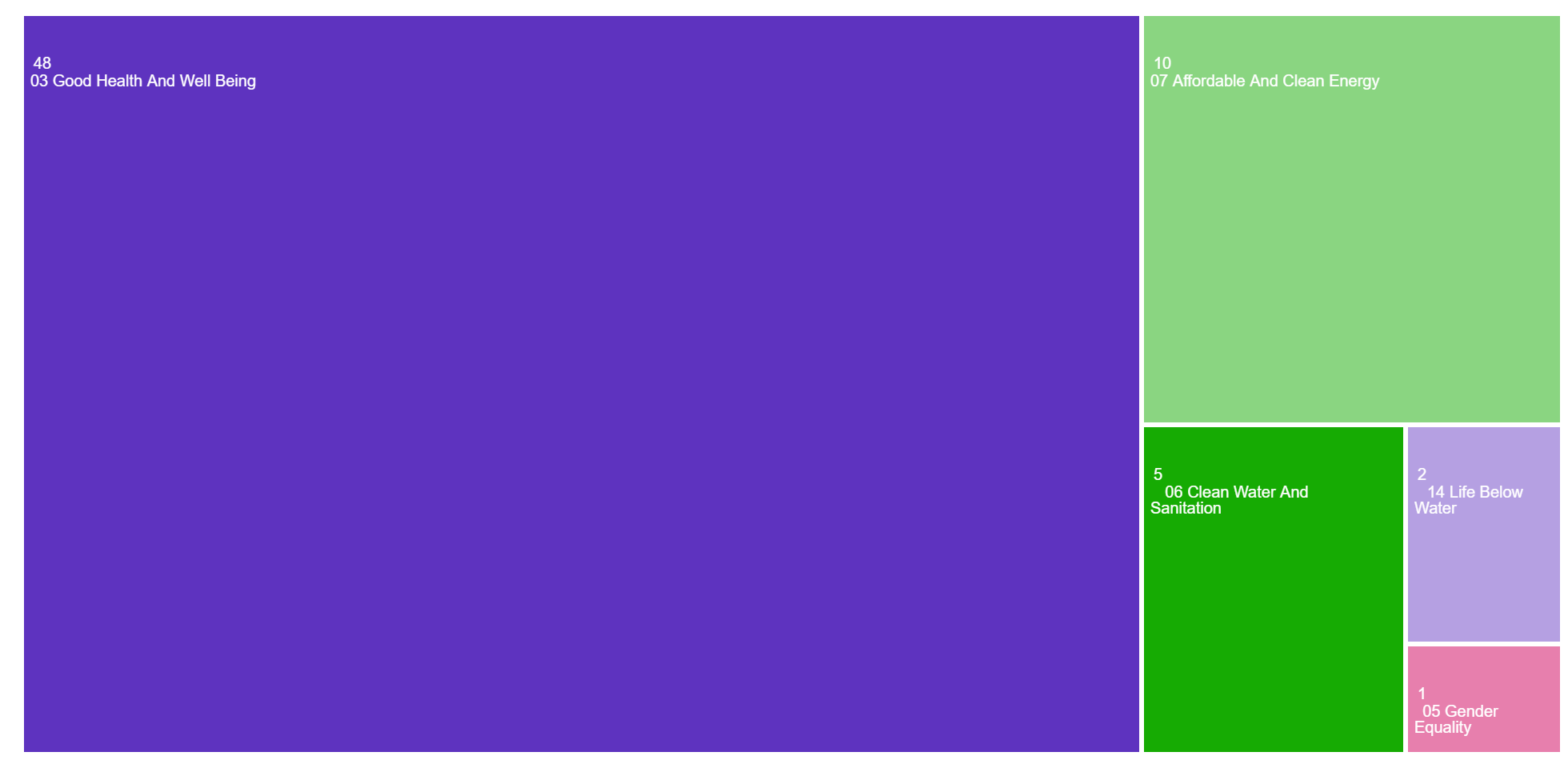
Sustainable Development Goals:
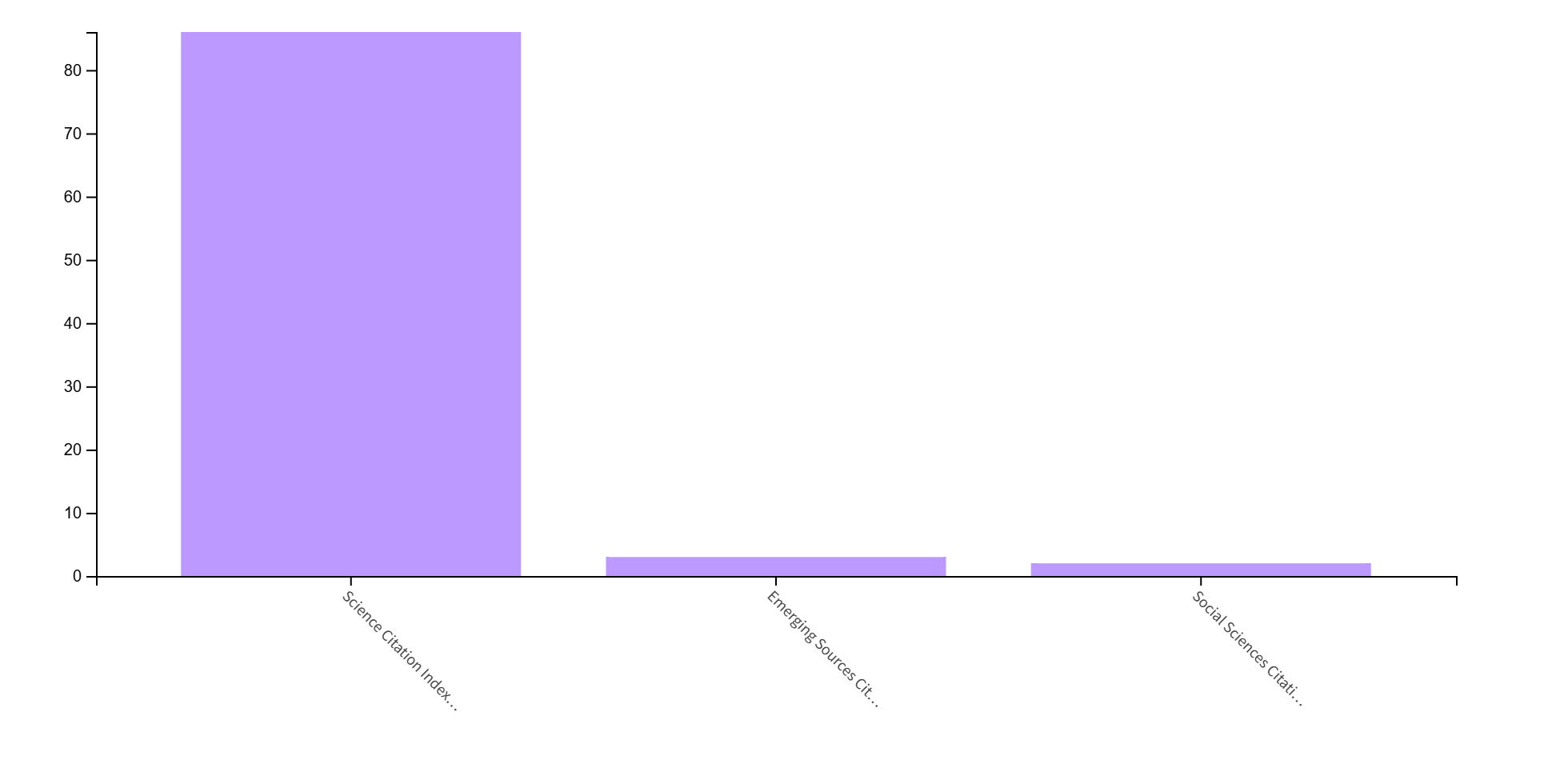
Web of Science Index:
Research highlights of Professor Dr. Mayeen Uddin Khandaker:
| Type | Result Count |
|---|---|
| Highly Cited Papers | 1 |
| Hot Papers | 1 |
| Review Article | 5 |
| Early Access | 2 |
| Open Access | 43 |
| Enriched Cited References | 36 |
Observations:
-
Subject concentration: ~37% of records fall under Nuclear Science & Technology, with substantial representation in Chemistry (physical) and Atomic/Molecular Physics — confirming a focused research portfolio in radiation/nuclear science.
-
Output type & access: ~90% of records are standard articles and nearly half the set is open access (43/89), which supports wide visibility and potential societal impact.
-
Collaboration pattern: every record lists Khandaker MU; frequent co-authors (e.g., Osman H) and multi-country participation (Bangladesh, Malaysia, Saudi Arabia, Egypt, England, Russia, etc.) show a strong networked research approach.
Questions:
-
How do citation rates and journal impact for these 89 WoS records compare to Prof. Khandaker’s longer-term averages (e.g., are 2024 papers aligning with his Tier-1/2 publication share)?
-
What caused the single retracted publication and the four corrections — are they isolated quality-control incidents or indicators of systematic issues to address?
-
Of the 43 open-access items, how many have demonstrable downstream effects (clinical translation, regulatory guidance, or environmental policy changes)?
The 2024 WoS snapshot shows a highly productive, well-networked researcher whose outputs align with medical, environmental, and dosimetry applications—strengths for societal impact. To strengthen future assessment, compare journal tiers and citation velocity for the 89 records, and review the circumstances around the retraction/corrections to ensure continued research integrity.