
The 2024 Web of Science set for Bangladesh Atomic Energy Regulatory Authority comprises 18 records — overwhelmingly original research articles published mainly with Elsevier. Topics cluster in physical chemistry, materials science and condensed-matter physics, with a notable open-access fraction and enriched cited references that help citation discoverability. Output is highly concentrated among a few researchers (top author ~44%), and nearly all work lists Bangladesh as the primary country, though some items show international coauthors (Saudi Arabia, USA, India, Vietnam). Overall it reads as a tight, discipline-focused research stream produced by a small, active team with established publisher preferences.
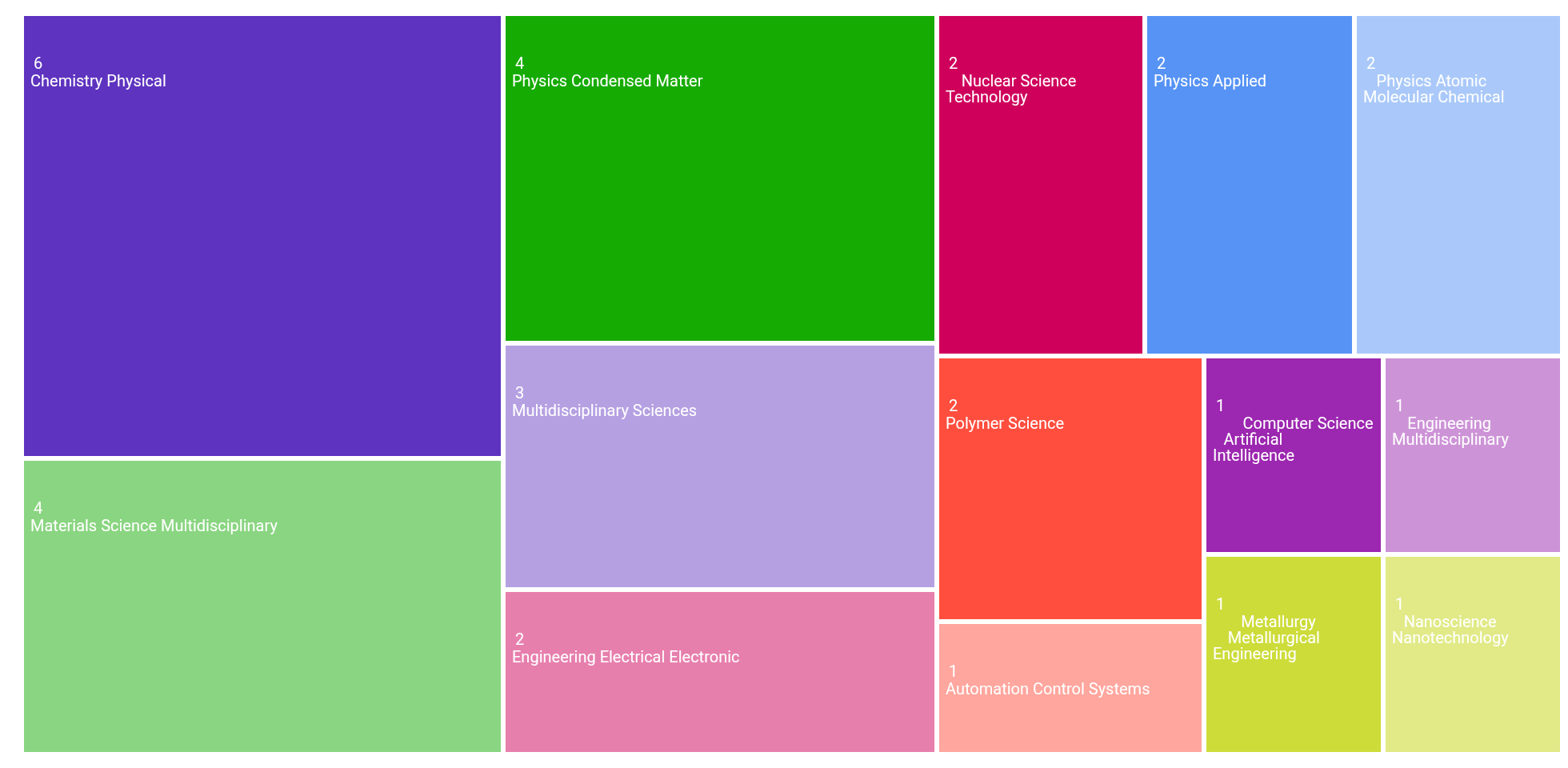
The areas of research publication categories in the TreeMap:
Research contributions in the field:
| Categories | Record Count | % of 18 |
|---|---|---|
| Chemistry Physical | 6 | 33.333% |
| Materials Science Multidisciplinary | 4 | 22.222% |
| Physics Condensed Matter | 4 | 22.222% |
| Multidisciplinary Sciences | 3 | 16.667% |
| Engineering Electrical Electronic | 2 | 11.111% |
| Nuclear Science Technology | 2 | 11.111% |
| Physics Applied | 2 | 11.111% |
| Physics Atomic Molecular Chemical | 2 | 11.111% |
| Polymer Science | 2 | 11.111% |
| Automation Control Systems | 1 | 5.556% |
| Computer Science Artificial Intelligence | 1 | 5.556% |
| Engineering Multidisciplinary | 1 | 5.556% |
| Metallurgy Metallurgical Engineering | 1 | 5.556% |
| Nanoscience Nanotechnology | 1 | 5.556% |
Research areas:
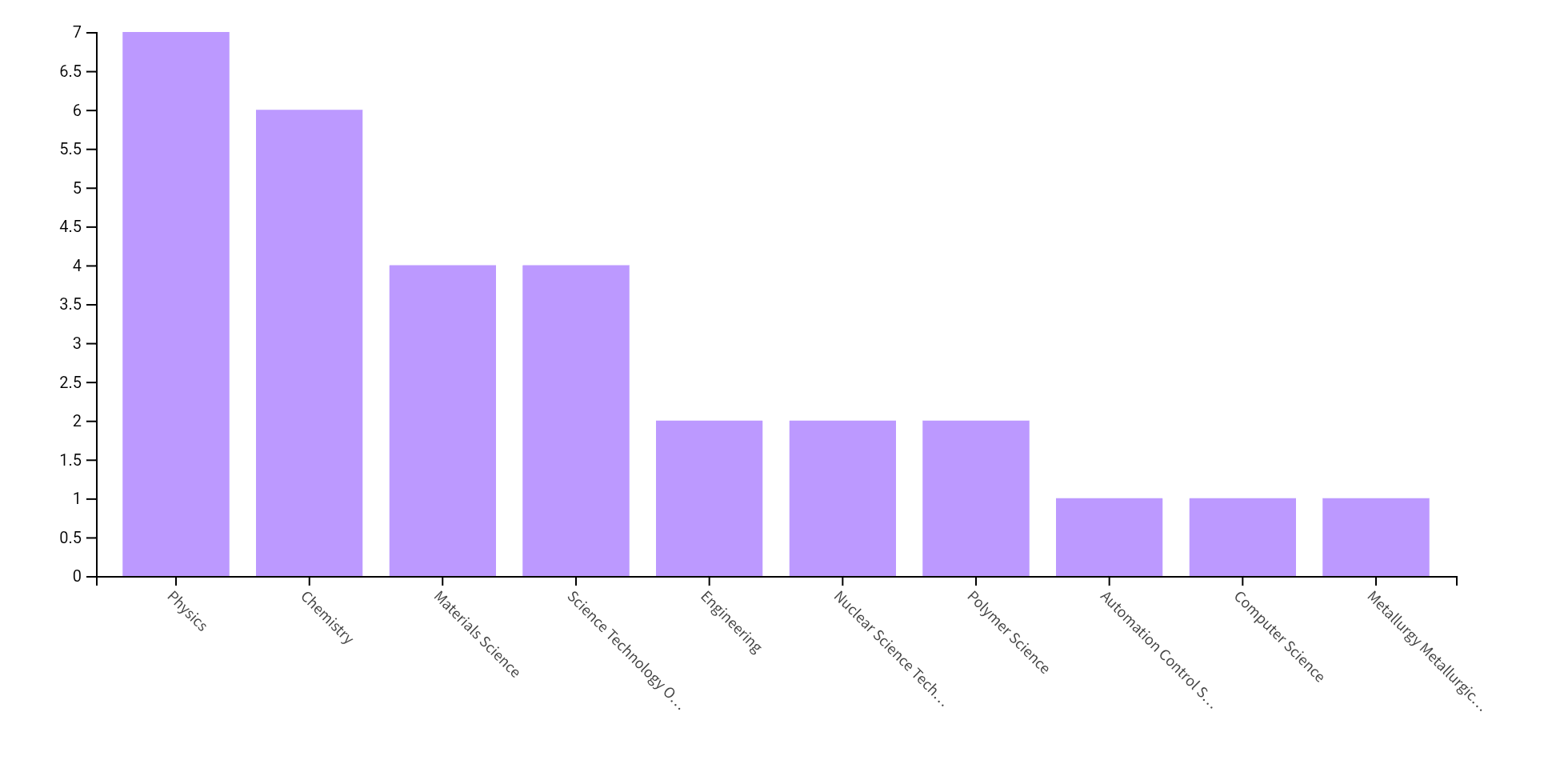
Types of published documents:
| Types | Record Count | % of 18 |
|---|---|---|
| Article | 17 | 94.444% |
| Review Article | 1 | 5.556% |
Authors’ infographic:
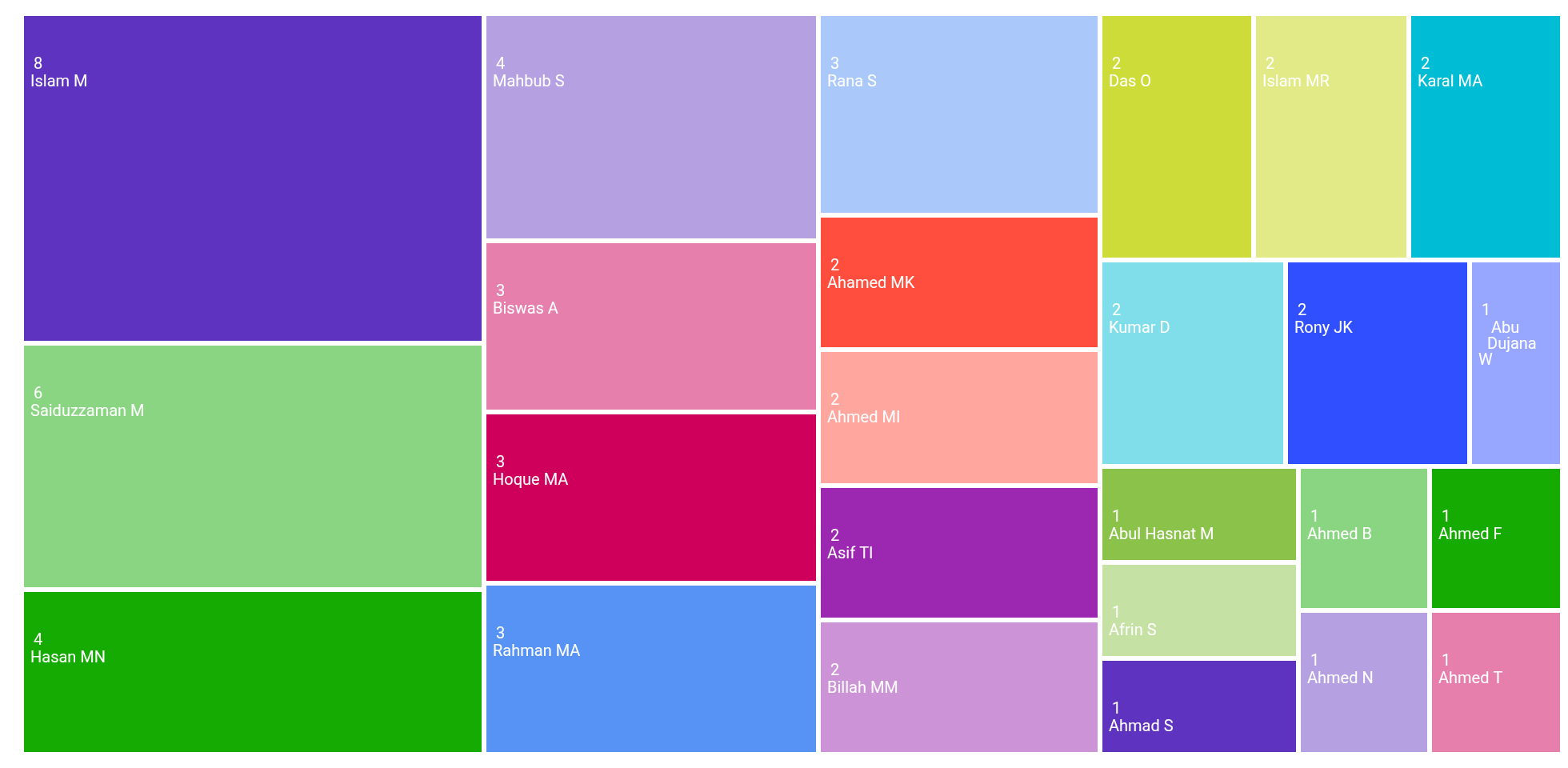
Researcher profiles:
| Researcher | Record Count | % of 18 |
|---|---|---|
| Islam, Minhajul | 8 | 44.444% |
| Saiduzzaman, Md | 6 | 33.333% |
| Mahbub, Shamim | 4 | 22.222% |
| Rana, Shahed | 3 | 16.667% |
| Biswas, Arpon | 3 | 16.667% |
| Hasan, Mohammad Nazmul | 3 | 16.667% |
| Hoque, Md. Anamul | 3 | 16.667% |
| Das, Ovijit | 2 | 11.111% |
| Ahamed, Md. Kabir | 2 | 11.111% |
| Asif, Tariqul Islam | 2 | 11.111% |
| Karal, Mohammad Abu Sayem | 2 | 11.111% |
| Rony, J. K. | 2 | 11.111% |
| Billah, Md. Masum | 2 | 11.111% |
| Ahmed, Md Istiaque | 2 | 11.111% |
| Kumar, Dileep | 2 | 11.111% |
| Islam, Md Rafikul | 1 | 5.556% |
| Rahman, Abdur | 1 | 5.556% |
| Islam, Prof. Dr. Md. Nazrul | 1 | 5.556% |
| Banjare, Dr. Manoj Kumar | 1 | 5.556% |
| Hasan, Nahid | 1 | 5.556% |
| Islam, Muhammad Nazrul | 1 | 5.556% |
| Al Mamun, Firoj | 1 | 5.556% |
| Mahmoud, Mohamed hassanein | 1 | 5.556% |
| Sikder, Tajuddin | 1 | 5.556% |
| Hasan, Zahid | 1 | 5.556% |
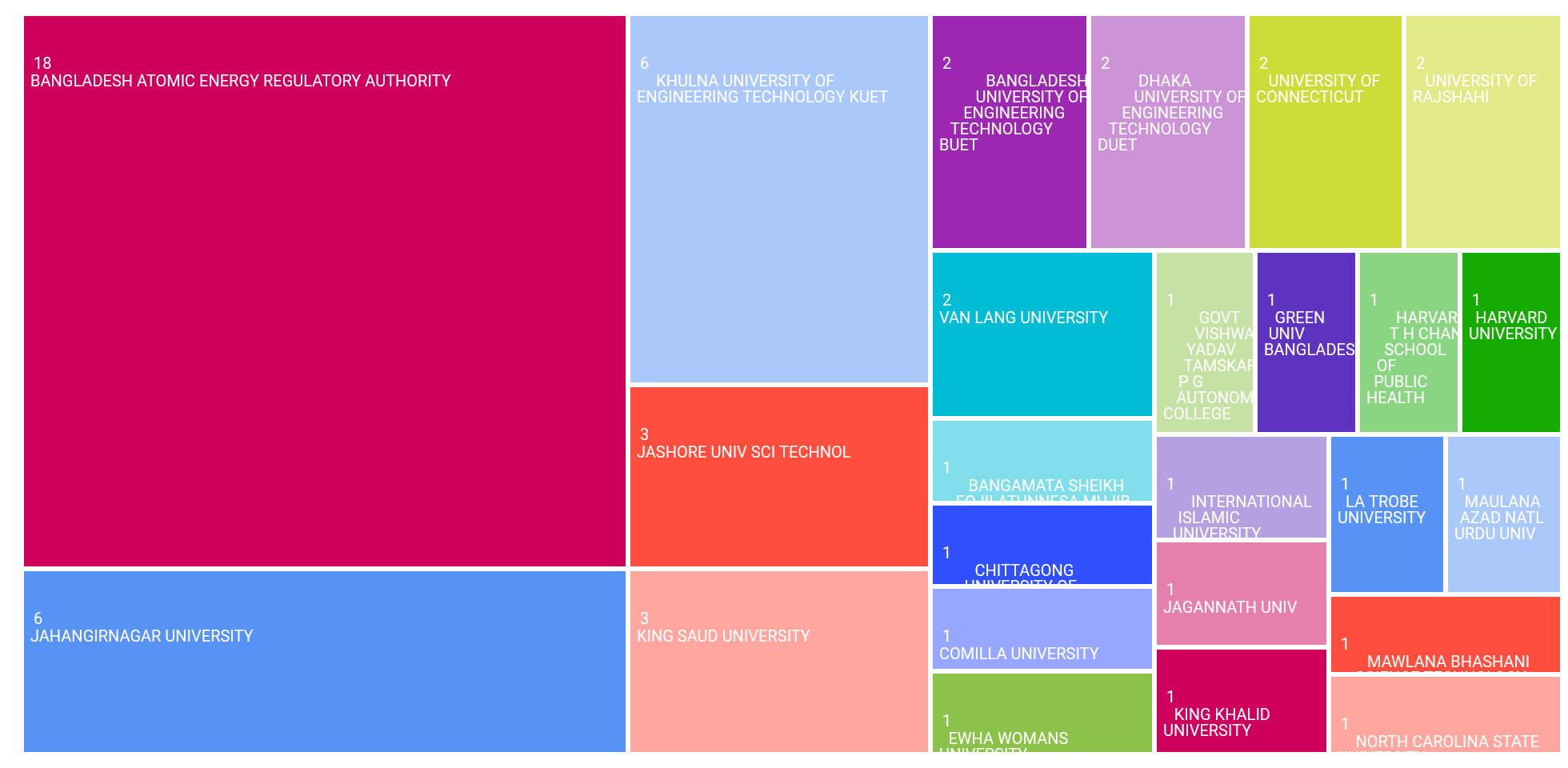
Research affiliations of BAERA with other institutes:
Research collaboration countries:
| Countries | Record Count | % of 18 |
|---|---|---|
| BANGLADESH | 18 | 100.000% |
| SAUDI ARABIA | 4 | 22.222% |
| USA | 3 | 16.667% |
| INDIA | 2 | 11.111% |
| VIETNAM | 2 | 11.111% |
| AUSTRALIA | 1 | 5.556% |
| PEOPLES R CHINA | 1 | 5.556% |
| SOUTH KOREA | 1 | 5.556% |
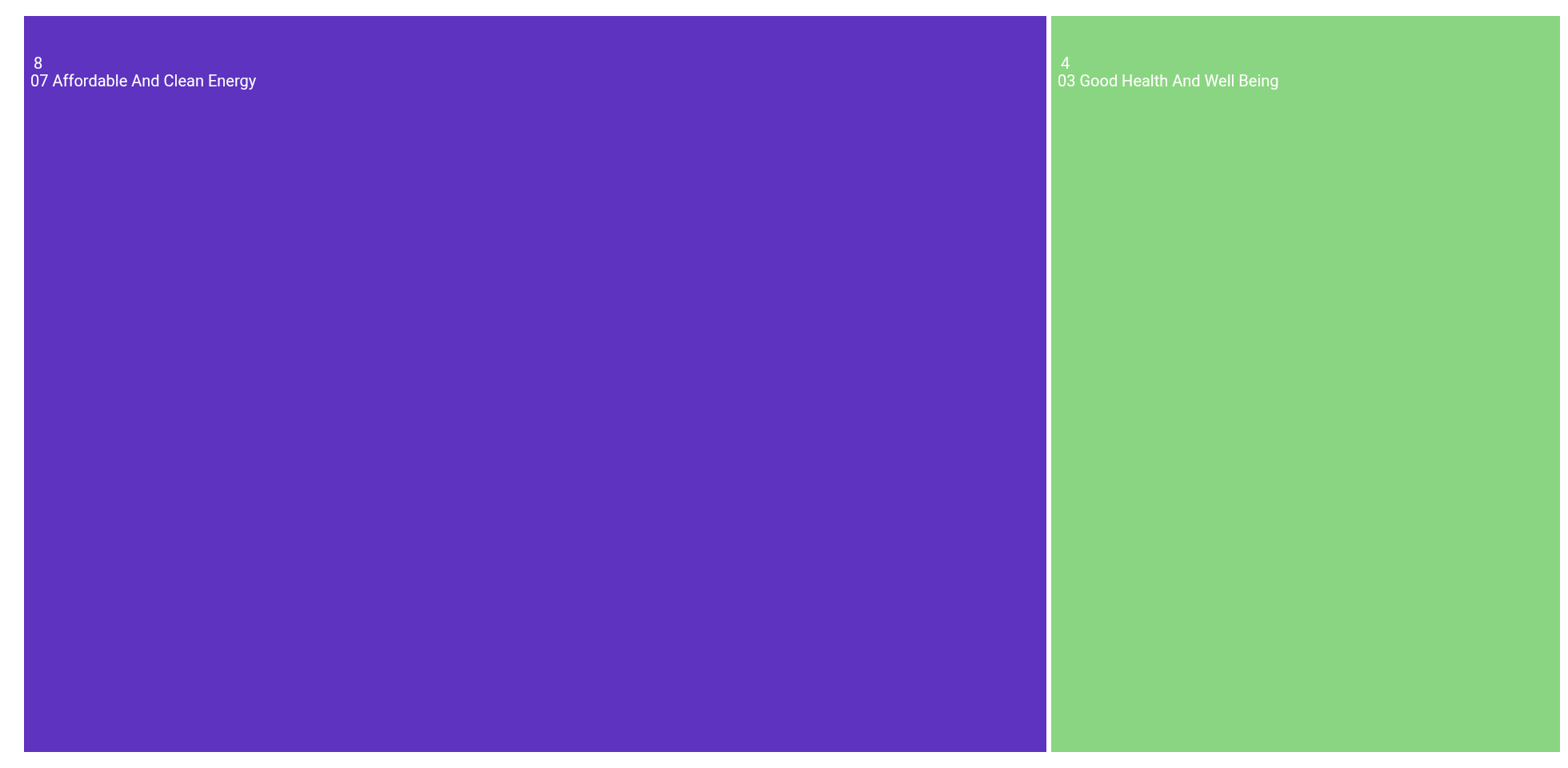
Sustainable Development Goals:
The publishers:
| Publishers | Record Count |
|---|---|
| Elsevier | 12 |
| Springer Nature | 2 |
| AIP Publishing | 1 |
| Public Library Science | 1 |
| Royal Soc Chemistry | 1 |
| Taylor & Francis | 1 |
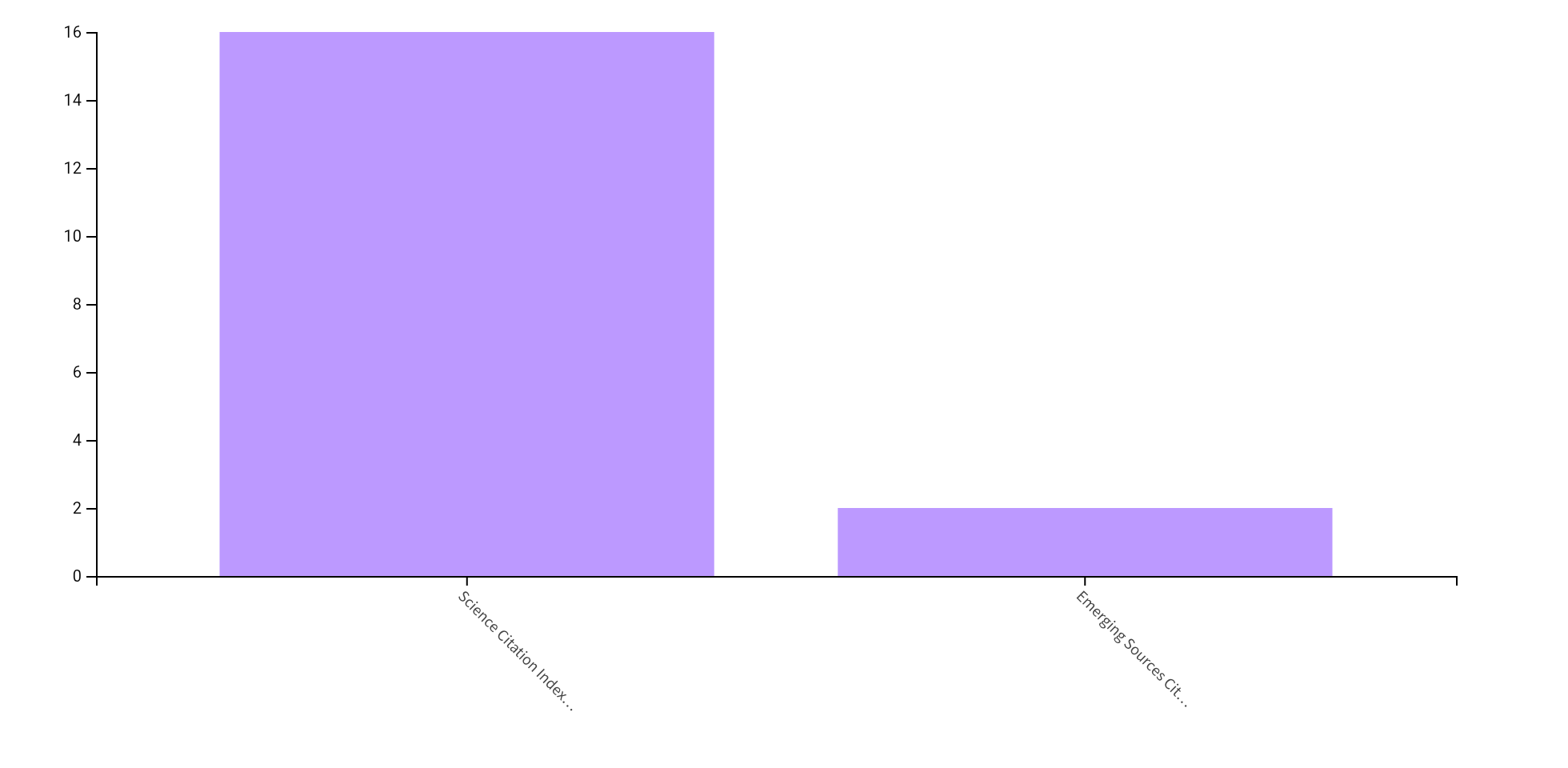
Web of Science Index:
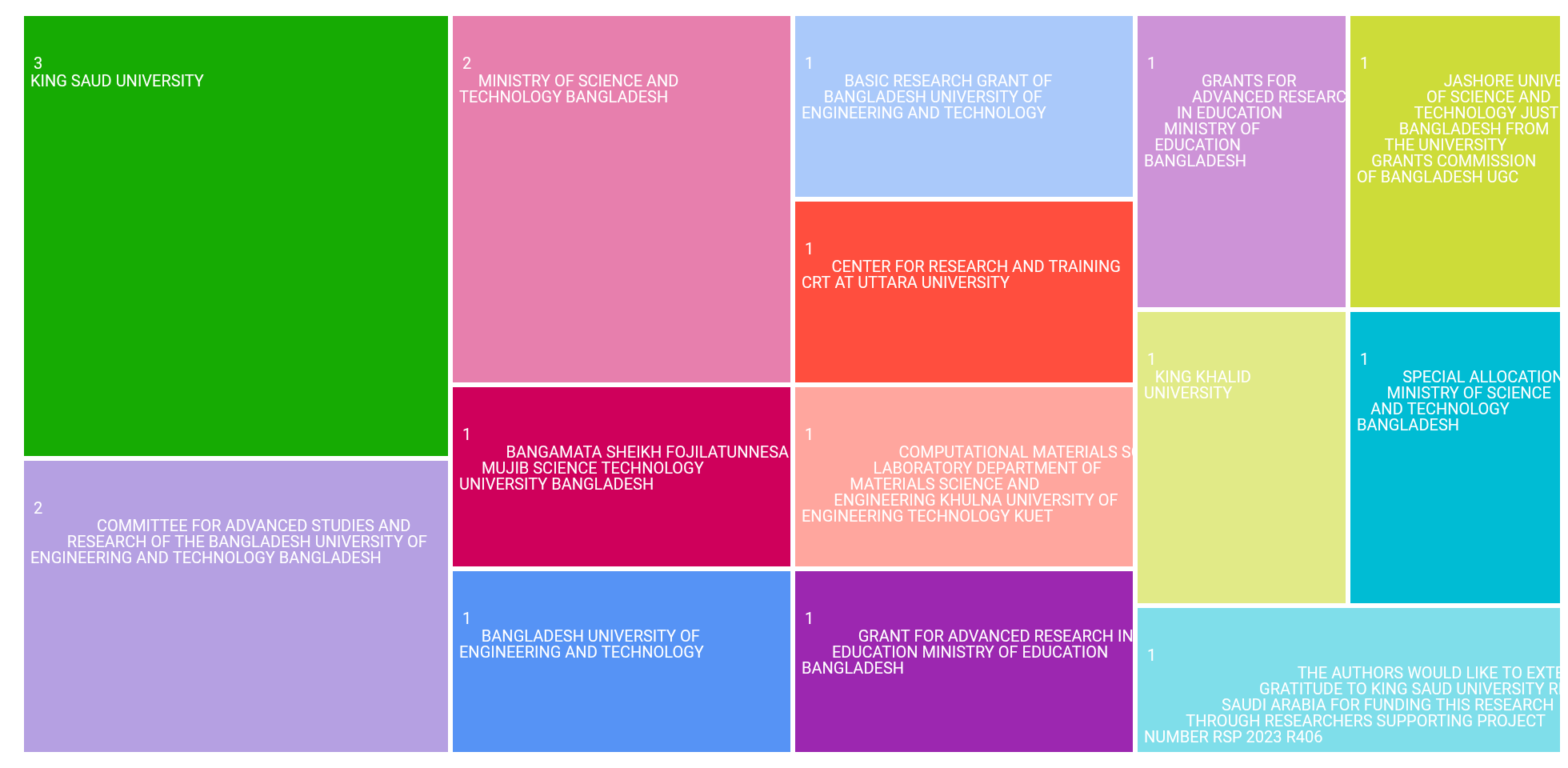
Funding Agencies:
Research highlights of BAERA:
| Category | Record Count |
|---|---|
| Review Article | 1 |
| Open Access | 8 |
| Enriched Cited References | 13 |
Observations:
1. Author concentration: A very small group (especially one lead author) contributes a large share of papers, suggesting centralized expertise or limited team size.
2. Publisher dominance: Elsevier accounts for about two-thirds of publications, indicating preference or established pathways to specific journals.
3. Research profile: Strong emphasis on primary experimental/theoretical studies (94% articles) in physical/materials sciences, with very few review/synthesis outputs.
Questions:
1. What proportion of these papers are authored by BAERA staff versus external university or industry collaborators?
2. Which specific Elsevier journals are most used, and how do their impact/visibility metrics compare?
3. Are there plans to diversify topics toward regulatory applications (radiation safety, nuclear engineering) or to increase review articles and international partnerships?
The unit shows focused productivity and clear subject expertise; to boost wider impact consider diversifying journals, encouraging review/synthesis papers, and pursuing broader international and interdisciplinary collaborations.