

In 2024, Bangladeshi researchers contributed 213 publications to Frontiers, with articles forming the majority (75.6%), followed by review articles (13.1%) and editorial materials (9.4%). Research spanned a wide array of fields, dominated by Public Environmental Occupational Health (13.1%), Food Science Technology (11.3%), and Microbiology (9.9%). Prominent contributors included Hossain, Akbar; Hossain, M. Belal; and Gaber, Ahmed, each with six publications. While all publications included Bangladeshi authors, significant international collaboration was evident with co-authors from the USA (27.2%), Saudi Arabia (18.3%), Australia (16.0%), and other countries. This demonstrates both the global integration and disciplinary diversity of Bangladeshi research in Frontiers. Web of Science
The areas of research publication categories in the TreeMap:
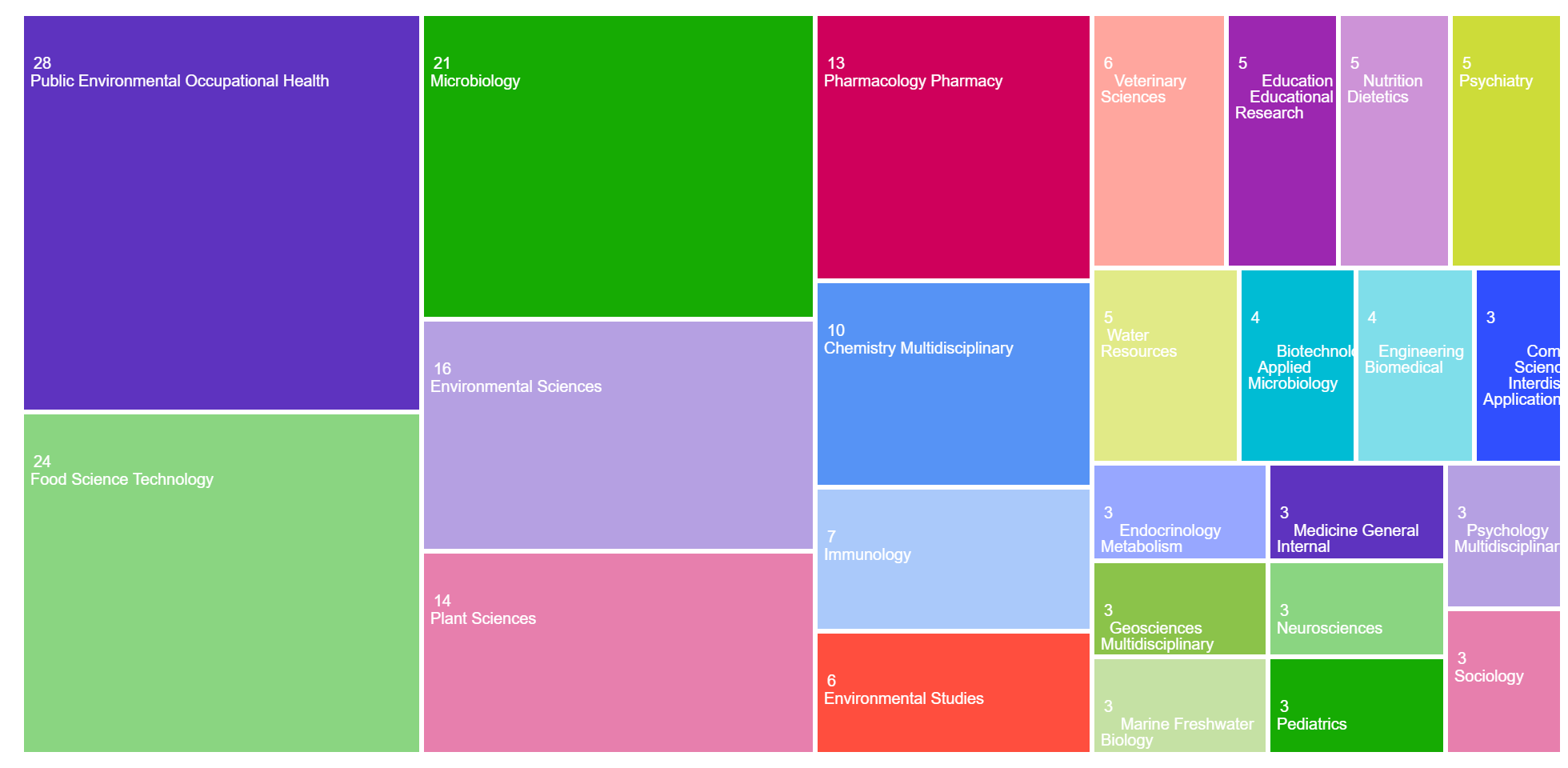
Research contributions in the field:
| Categories | Record Count | % of 213 |
|---|---|---|
| Public Environmental Occupational Health | 28 | 13.146% |
| Food Science Technology | 24 | 11.268% |
| Microbiology | 21 | 9.859% |
| Environmental Sciences | 16 | 7.512% |
| Plant Sciences | 14 | 6.573% |
| Pharmacology Pharmacy | 13 | 6.103% |
| Chemistry Multidisciplinary | 10 | 4.695% |
| Immunology | 7 | 3.286% |
| Environmental Studies | 6 | 2.817% |
| Veterinary Sciences | 6 | 2.817% |
| Education Educational Research | 5 | 2.347% |
| Nutrition Dietetics | 5 | 2.347% |
| Psychiatry | 5 | 2.347% |
| Water Resources | 5 | 2.347% |
| Biotechnology Applied Microbiology | 4 | 1.878% |
| Engineering Biomedical | 4 | 1.878% |
| Computer Science Interdisciplinary Applications | 3 | 1.408% |
| Endocrinology Metabolism | 3 | 1.408% |
| Geosciences Multidisciplinary | 3 | 1.408% |
| Marine Freshwater Biology | 3 | 1.408% |
| Medicine General Internal | 3 | 1.408% |
| Neurosciences | 3 | 1.408% |
| Pediatrics | 3 | 1.408% |
| Psychology Multidisciplinary | 3 | 1.408% |
| Sociology | 3 | 1.408% |
Research areas:
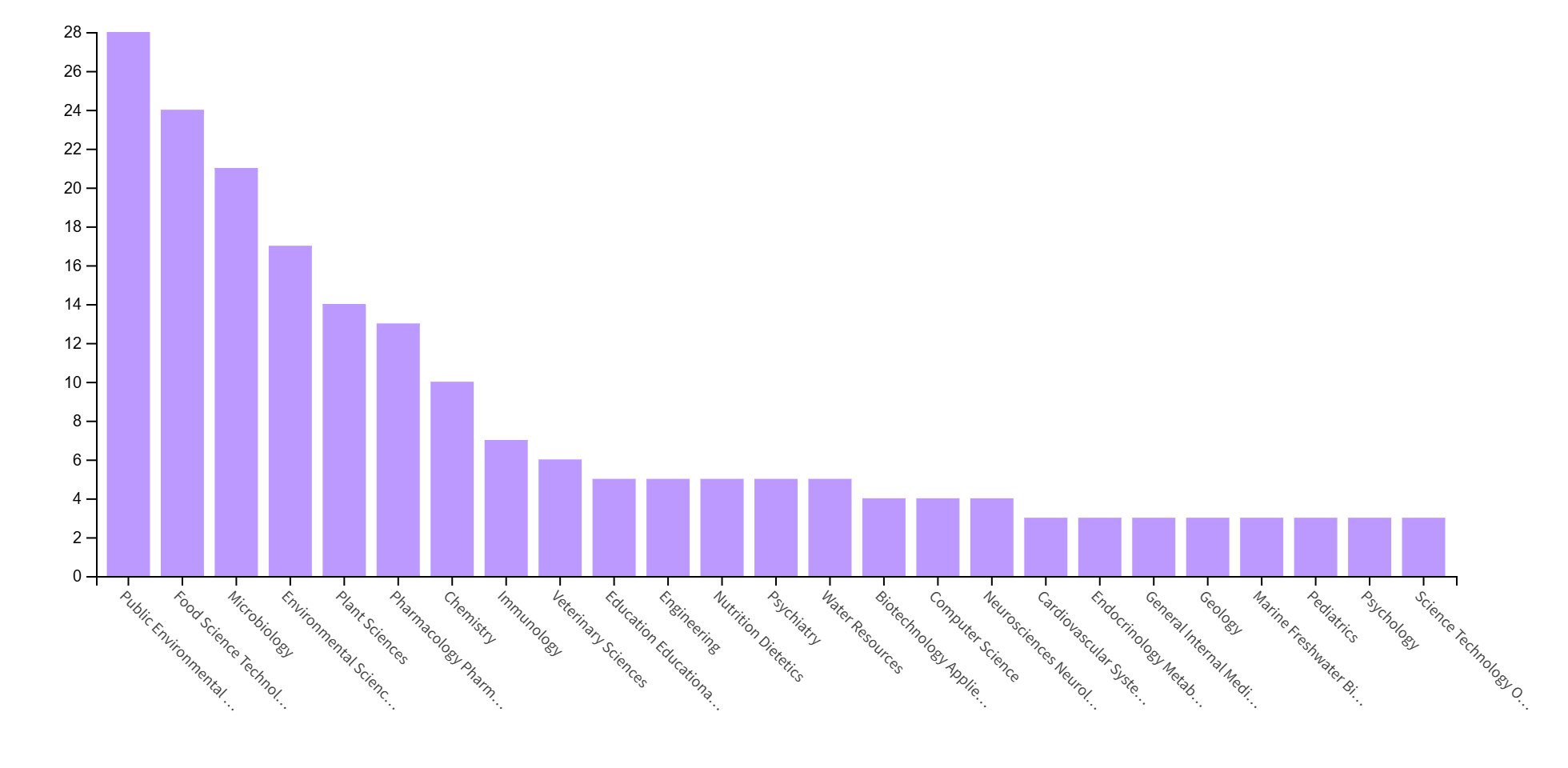
Types of published documents:
| Types | Record Count | % of 213 |
|---|---|---|
| Article | 161 | 75.587% |
| Review Article | 28 | 13.146% |
| Editorial Material | 20 | 9.390% |
| Correction | 4 | 1.878% |
Authors’ infographic (Top 25):
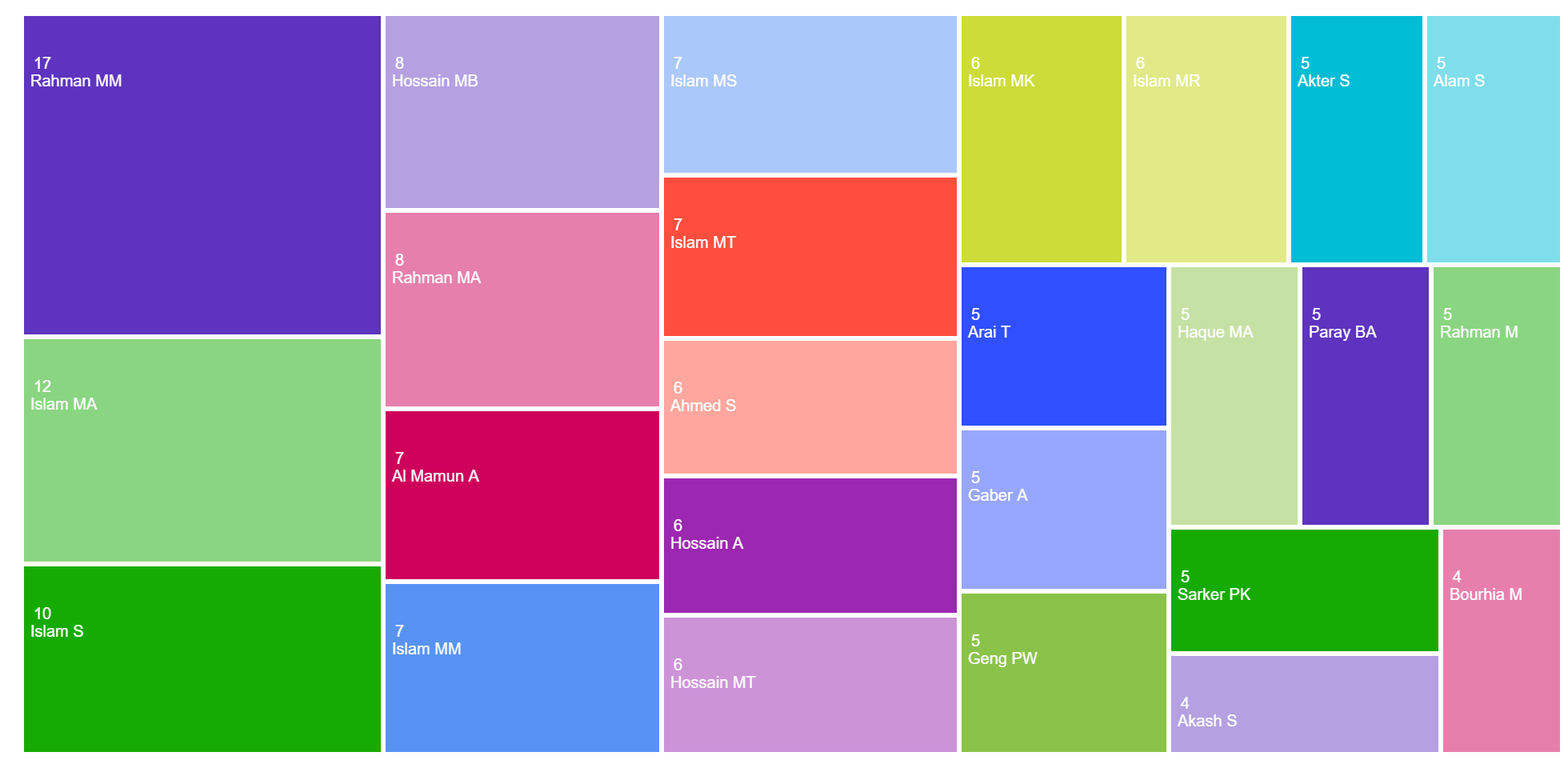
Researcher profiles (Top 25):
| Researcher | Record Count | % of 213 |
|---|---|---|
| Hossain, Akbar | 6 | 2.817% |
| Hossain, M. Belal | 6 | 2.817% |
| Gaber, Ahmed | 6 | 2.817% |
| Geng, P | 5 | 2.347% |
| Al Mamun, Abdullah | 5 | 2.347% |
| Sarker, Pallab Kumer | 5 | 2.347% |
| Paray, Bilal Ahamad | 5 | 2.347% |
| Bourhia, Mohammed | 4 | 1.878% |
| Alam, Safaet | 4 | 1.878% |
| El-Nashar, Heba A. S. | 4 | 1.878% |
| ISLAM, KAMRUL | 4 | 1.878% |
| Kabir, Russell | 4 | 1.878% |
| Akash, Shopnil | 4 | 1.878% |
| Han, Aixia | 4 | 1.878% |
| Islam, Md Amirul | 3 | 1.408% |
| Yu, Qiming | 3 | 1.408% |
| Alam, Edris | 3 | 1.408% |
| Brestic, Marian | 3 | 1.408% |
| Shamsudduha, Mohammad | 3 | 1.408% |
| Saleh, Na’il | 3 | 1.408% |
| El-Shazly, Mohamed | 3 | 1.408% |
| Pramanick, Biswajit | 3 | 1.408% |
| Haque, Md.Rashedul | 3 | 1.408% |
| Banik, Partho | 3 | 1.408% |
| Gathala, Mahesh K | 3 | 1.408% |
Research-affiliated institutes:
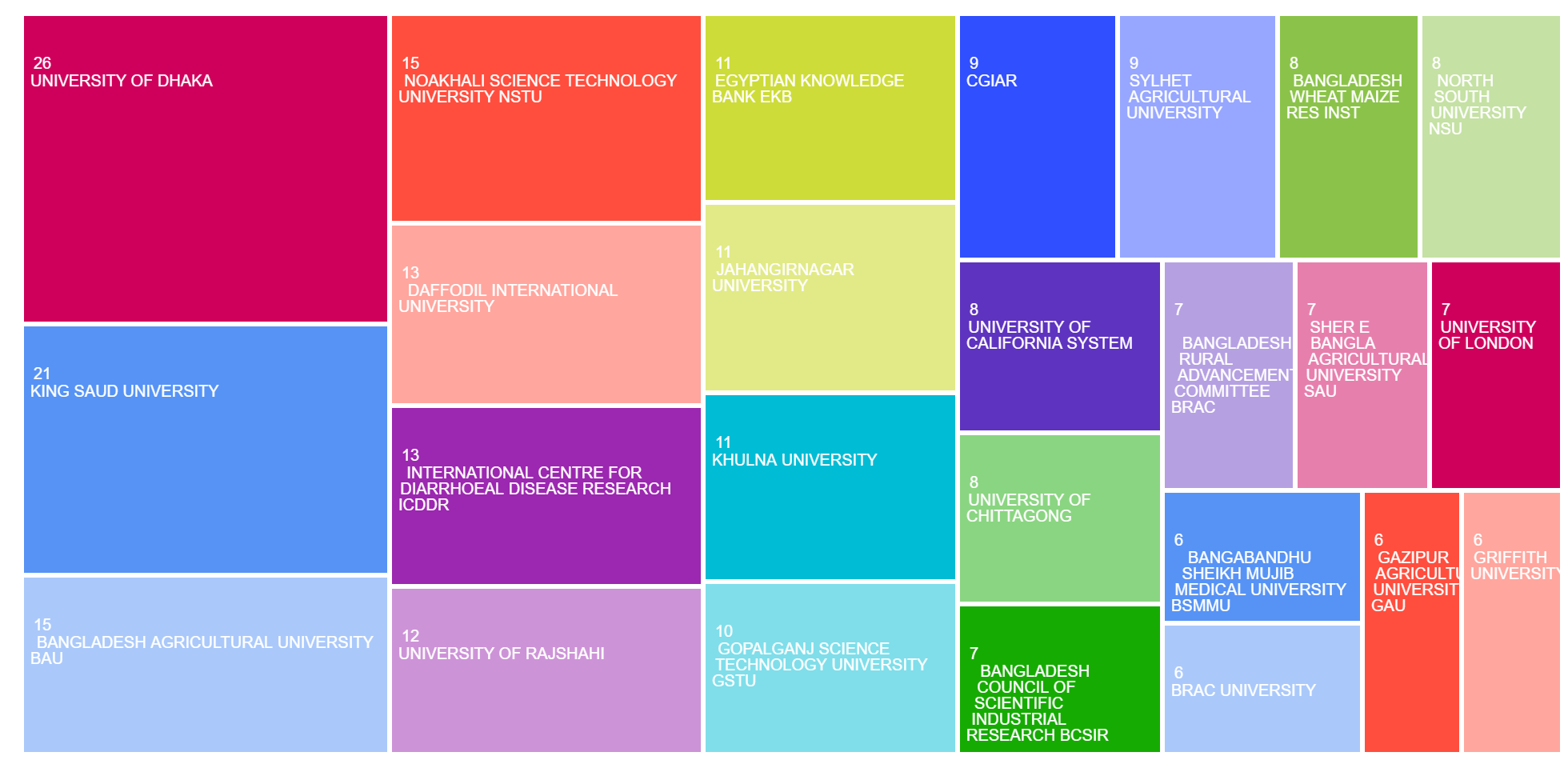
Research collaboration countries:
| Countries | Record Count | % of 213 |
|---|---|---|
| Bangladesh | 213 | 100.000% |
| USA | 58 | 27.230% |
| Saudi Arabia | 39 | 18.310% |
| Australia | 34 | 15.962% |
| India | 29 | 13.615% |
| Peoples R China | 29 | 13.615% |
| England | 28 | 13.146% |
| Japan | 16 | 7.512% |
| Canada | 14 | 6.573% |
| Egypt | 11 | 5.164% |
| U Arab Emirates | 10 | 4.695% |
| Pakistan | 9 | 4.225% |
| Malaysia | 8 | 3.756% |
| South Korea | 8 | 3.756% |
| Germany | 7 | 3.286% |
| Italy | 7 | 3.286% |
| Turkiye | 7 | 3.286% |
| Brunei | 6 | 2.817% |
| France | 6 | 2.817% |
| Scotland | 6 | 2.817% |
| Sweden | 6 | 2.817% |
| Brazil | 5 | 2.347% |
| Norway | 5 | 2.347% |
| Austria | 4 | 1.878% |
| Indonesia | 4 | 1.878% |
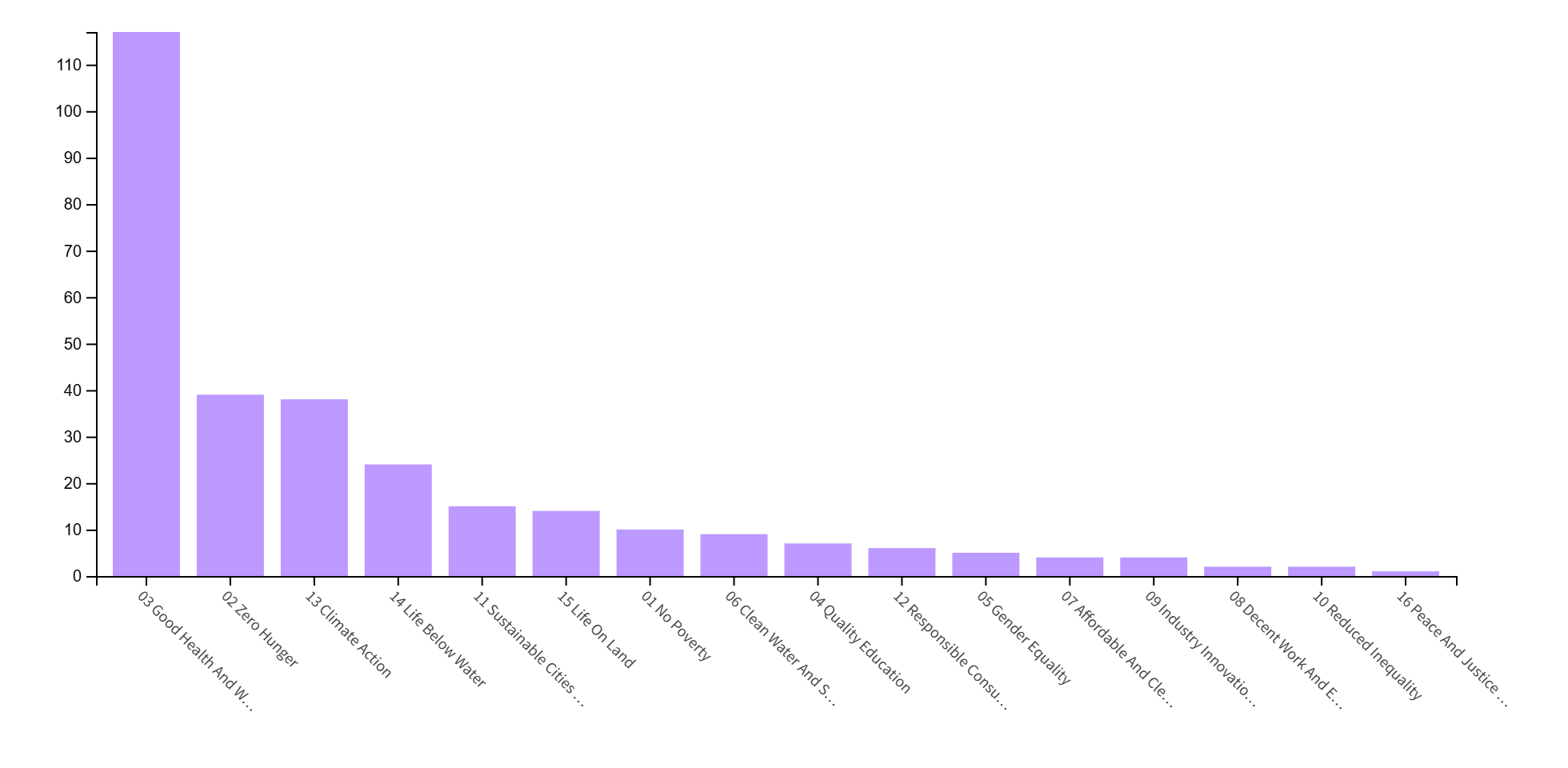
Sustainable Development Goals:
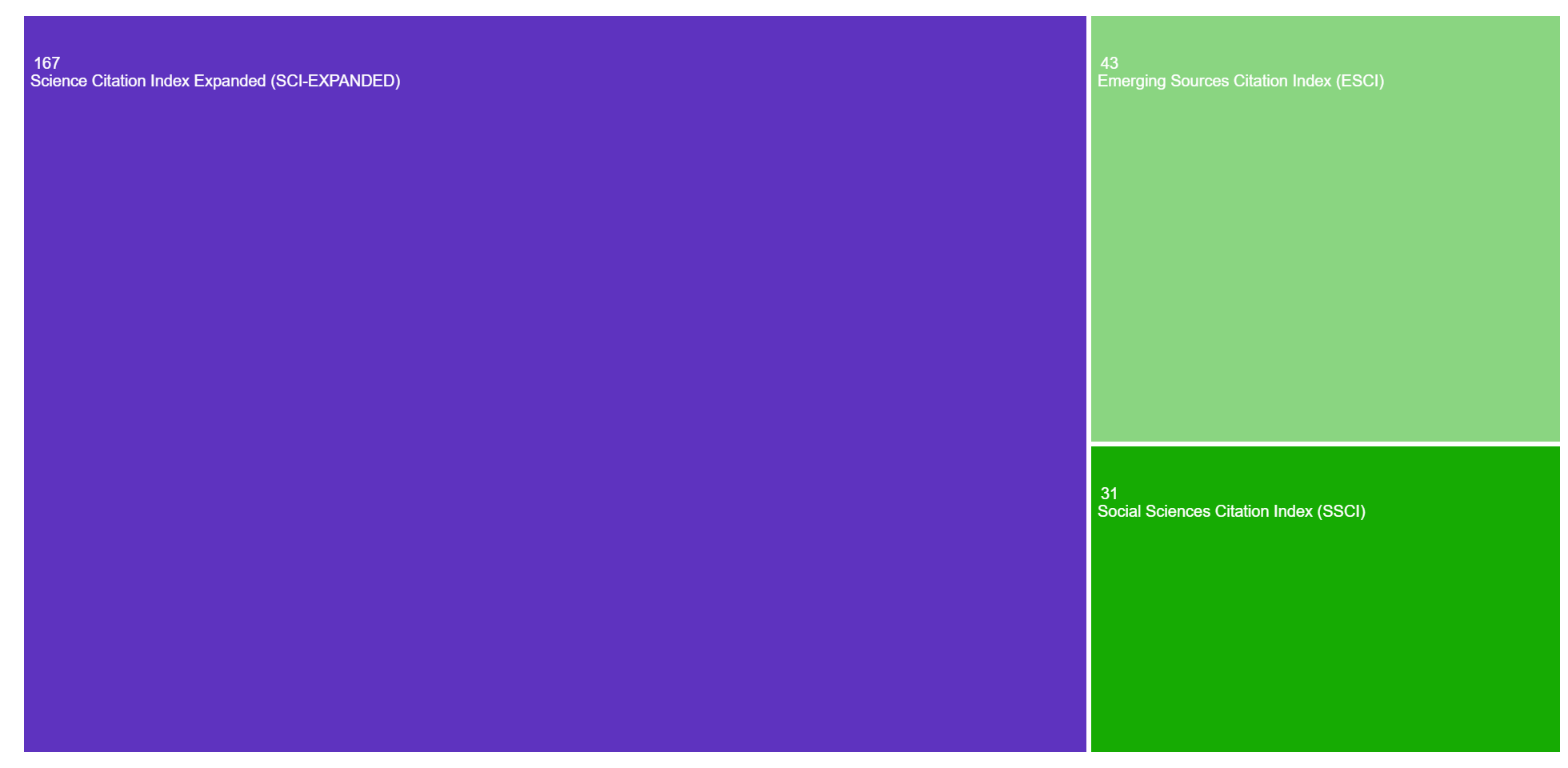
Web of Science Index:
Research highlights of FRONTIERS publications from Bangladesh:
| Category | Count |
|---|---|
| Review Article | 28 |
| Open Access | 213 |
| Enriched Cited References | 152 |
Observations:
-
Articles dominate the publication types, indicating strong original research output.
-
Public health and food science are the leading subject areas, suggesting focus on societal and nutritional issues.
-
High collaboration with the USA, Saudi Arabia, and Australia reflects active international research networks.
Questions:
-
What factors contribute to the high representation of Public Environmental Occupational Health and Food Science Technology?
-
How does international collaboration impact the citation and visibility of these publications?
-
Are there emerging fields where Bangladeshi researchers could increase their presence in Frontiers?
The data highlights a robust research presence from Bangladesh in Frontiers, with clear strengths in health and food sciences and strong international collaborations, but opportunities remain to diversify subject areas and expand interdisciplinary research.