
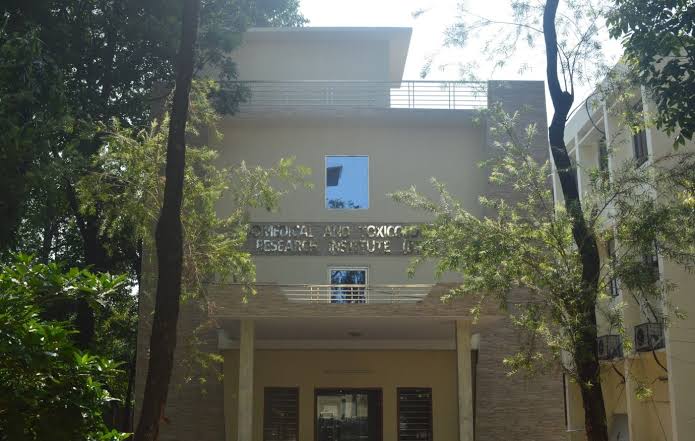
In 2024, the Biomedical and Toxicological Research Institute (BTRI) recorded 35 research publications indexed in the Web of Science, with all classified as articles and 2.86% as early access. The majority of works fall under “Chemistry Multidisciplinary” (28.57%), followed by “Materials Science Multidisciplinary” (20%) and “Food Science Technology” (17.14%). Elsevier is the leading publisher (42.86%), and 71.43% of the works are indexed in SCI-Expanded. Bangladesh accounts for all publications, with notable collaborations with the USA (14.29%), while prominent contributors include Dipa Islam (42.86%) and Md Sahadat Hossain (22.86%).
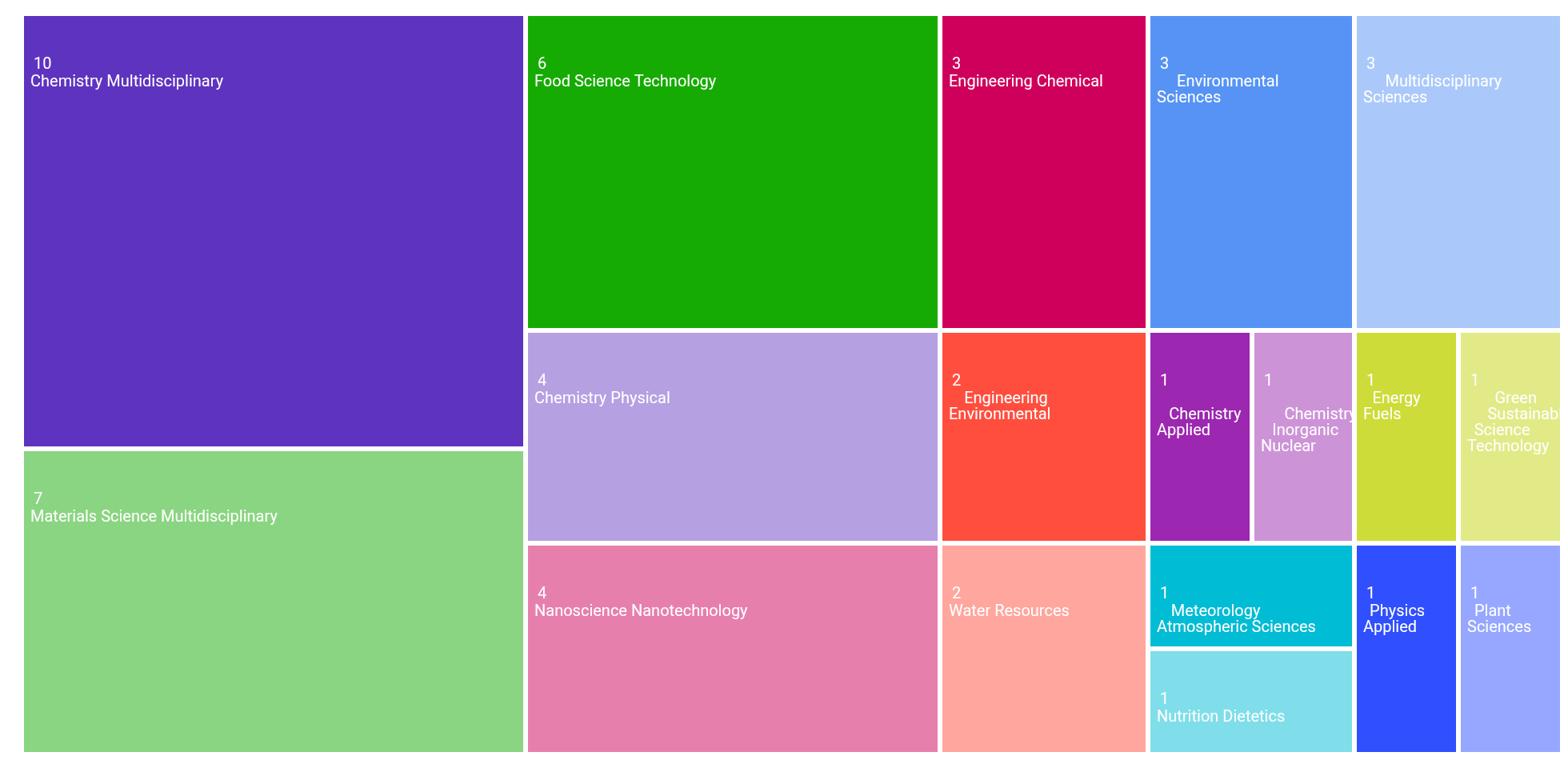
The areas of research publication categories in the TreeMap:
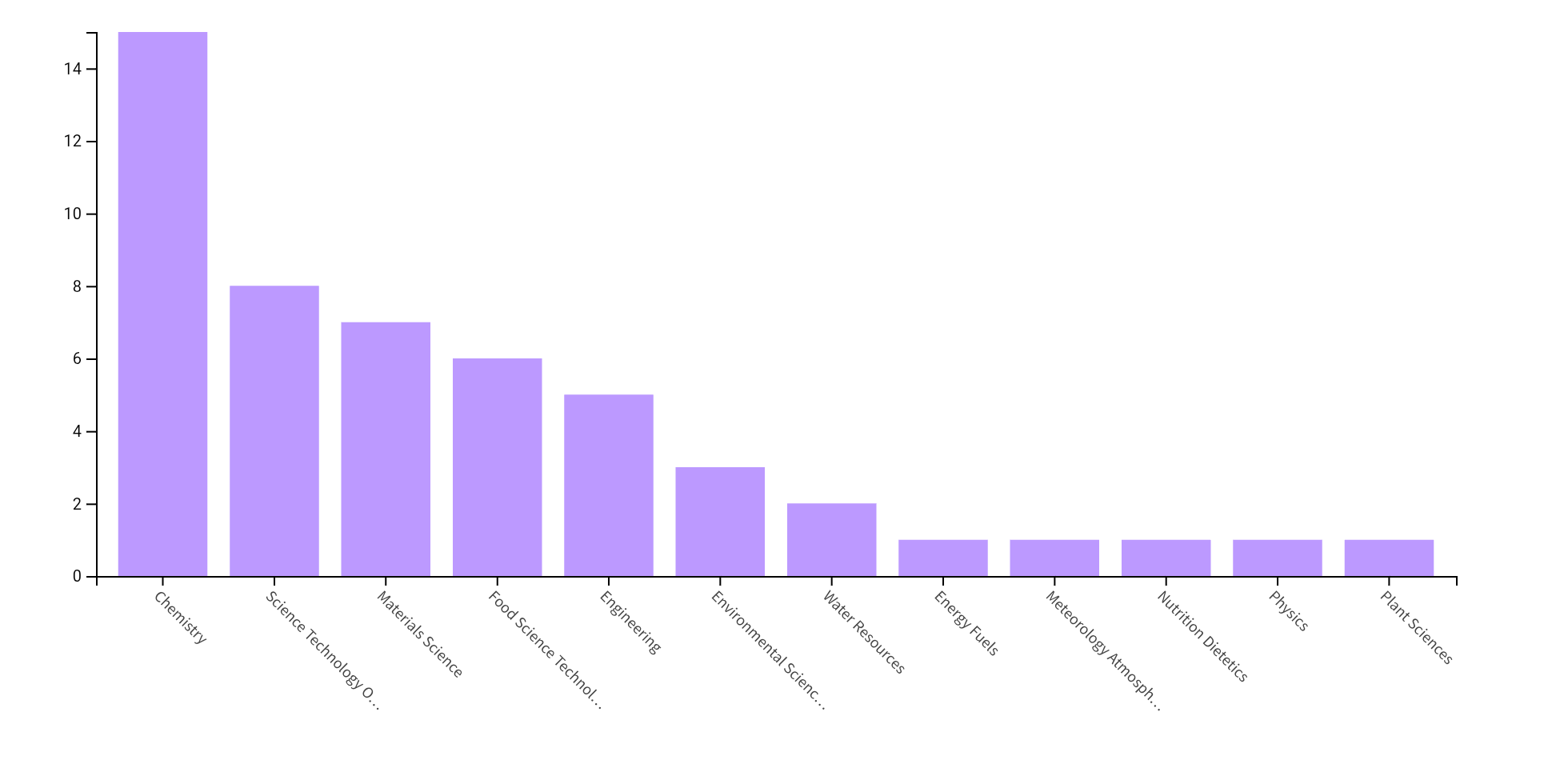
Research contributions in the field (25):
| Categories | Record Count | % of 35 |
|---|---|---|
| Chemistry Multidisciplinary | 10 | 28.571% |
| Materials Science Multidisciplinary | 7 | 20.000% |
| Food Science Technology | 6 | 17.143% |
| Chemistry Physical | 4 | 11.429% |
| Nanoscience Nanotechnology | 4 | 11.429% |
| Engineering Chemical | 3 | 8.571% |
| Environmental Sciences | 3 | 8.571% |
| Multidisciplinary Sciences | 3 | 8.571% |
| Engineering Environmental | 2 | 5.714% |
| Water Resources | 2 | 5.714% |
| Chemistry Applied | 1 | 2.857% |
| Chemistry Inorganic Nuclear | 1 | 2.857% |
| Energy Fuels | 1 | 2.857% |
| Green Sustainable Science Technology | 1 | 2.857% |
| Meteorology Atmospheric Sciences | 1 | 2.857% |
| Nutrition Dietetics | 1 | 2.857% |
| Physics Applied | 1 | 2.857% |
| Plant Sciences | 1 | 2.857% |
Research areas:
Types of published documents:
| Types | Record Count | % of 35 |
|---|---|---|
| Article | 35 | 100.000% |
| Early Access | 1 | 2.857% |
Authors’ infographic:
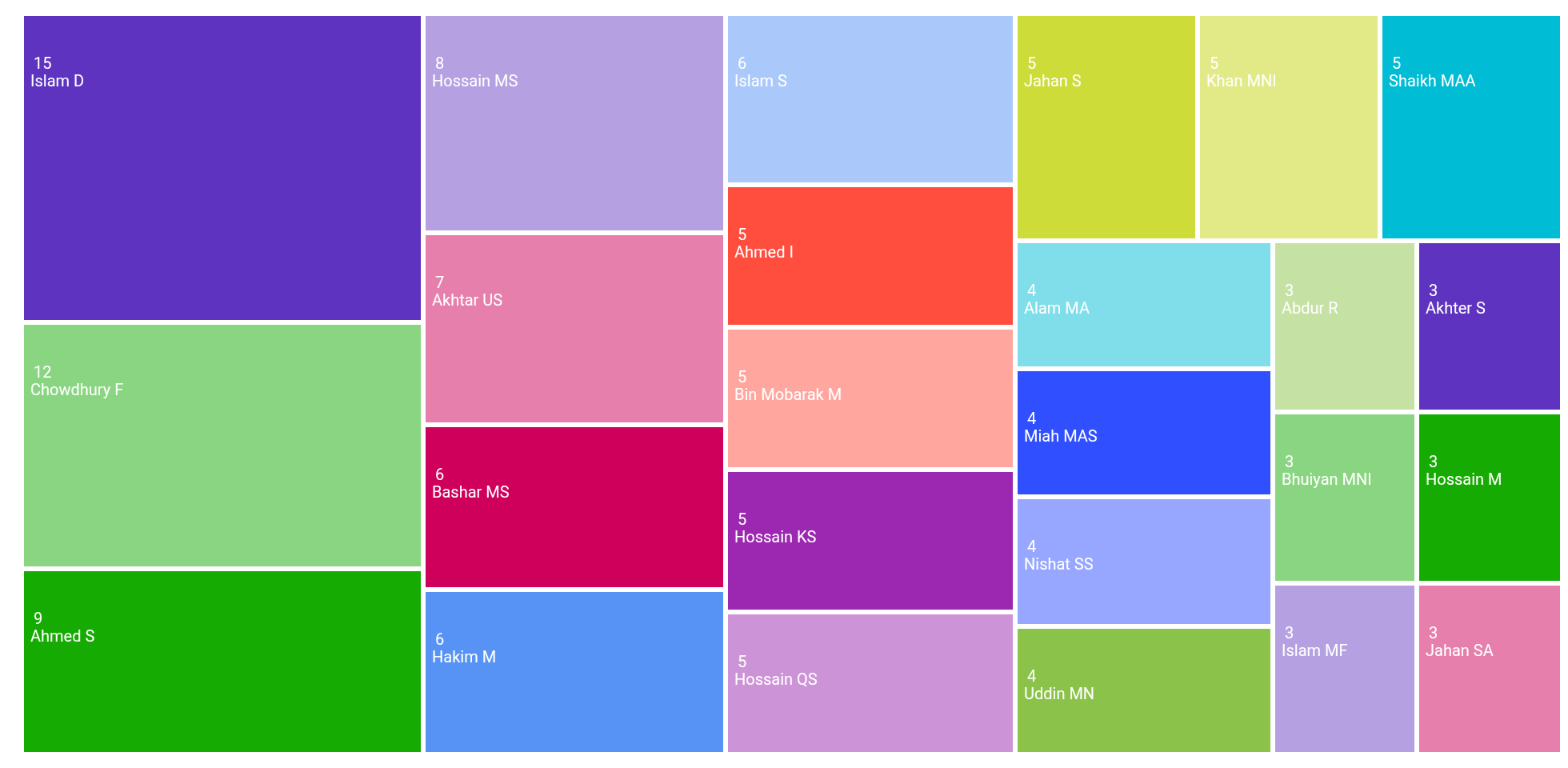
Researcher profiles:
| Researcher | Record Count | % of 35 |
|---|---|---|
| Islam, Dipa | 15 | 42.857% |
| Hossain, Md Sahadat | 8 | 22.857% |
| Ahmed, Samina | 8 | 22.857% |
| Chowdhury, Fariha | 8 | 22.857% |
| Akhtar, Umme Sarmeen | 7 | 20.000% |
| Hakim, Mahmuda | 6 | 17.143% |
| Bin Mobarak, Mashrafi | 6 | 17.143% |
| Hossain, Khandker Saadat | 5 | 14.286% |
| Khan, M. N. I. | 5 | 14.286% |
| Bashar, M. S. | 5 | 14.286% |
| Hossain, Quazi Shafayat | 5 | 14.286% |
| Ahmed, Imtiaz | 5 | 14.286% |
| Islam, Shariful | 5 | 14.286% |
| Alam, Dr. Md. Ashraful | 4 | 11.429% |
| Nishat, Sadiq Shahriyar | 4 | 11.429% |
| Miah, Md. Abdus Satter | 4 | 11.429% |
| Shaikh, Md. Aftab Ali | 4 | 11.429% |
| Chowdhury, Fariha | 4 | 11.429% |
| Rahim, Abdur | 3 | 8.571% |
| Hossain, Mosharof | 3 | 8.571% |
| Akhter, Samina | 3 | 8.571% |
| Quddus, Md. Saiful | 3 | 8.571% |
| Bhuiyan, Mohammad Nuruzzaman | 3 | 8.571% |
| Jahan, Sharmin | 3 | 8.571% |
| Jahan, Shirin Akter | 3 | 8.571% |
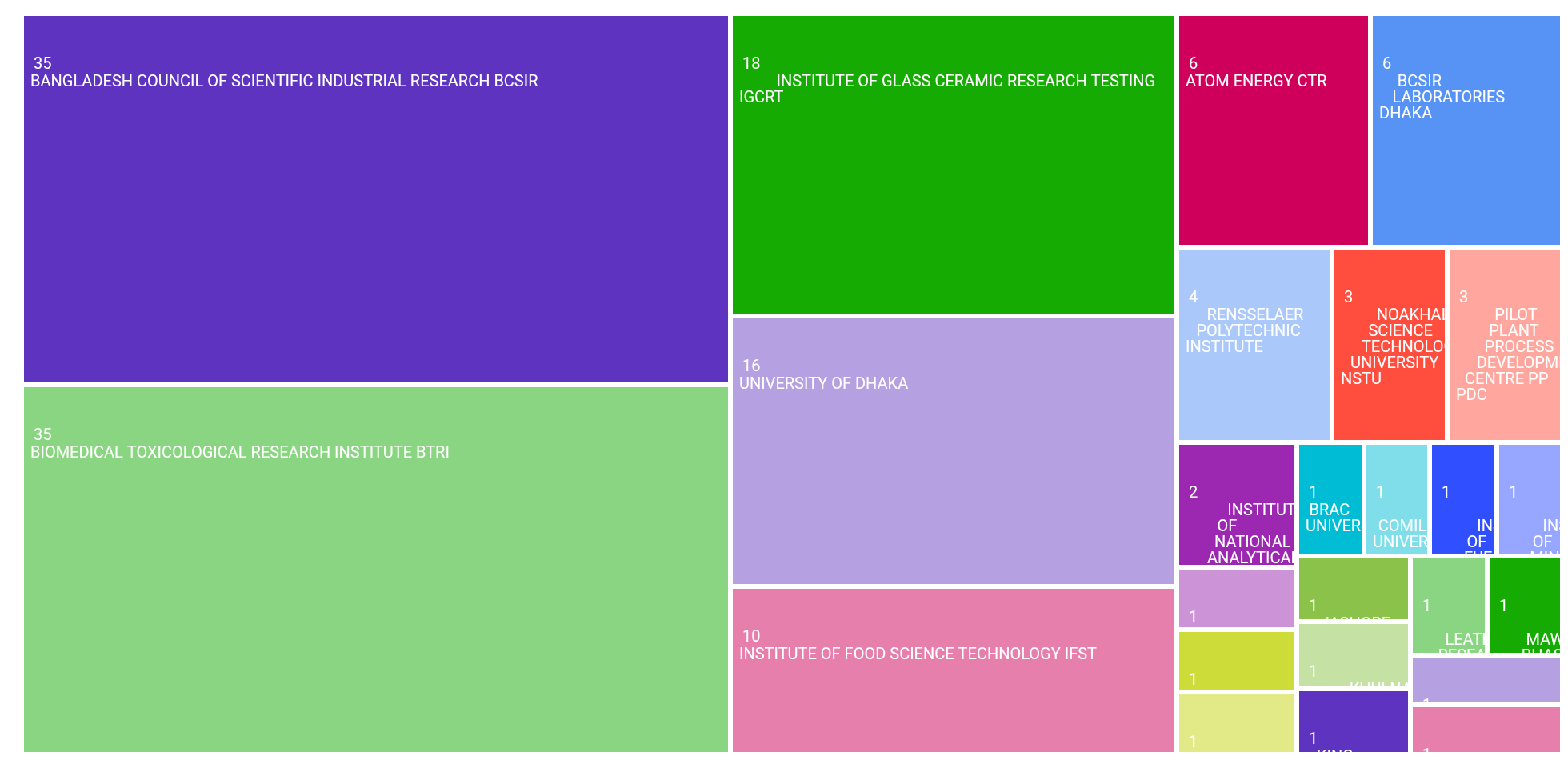
Research affiliations of BTRI with other institutes:
Research collaboration countries (25):
| Countries | Record Count | % of 35 |
|---|---|---|
| Bangladesh | 35 | 100.000% |
| USA | 5 | 14.286% |
| Australia | 1 | 2.857% |
| Czech Republic | 1 | 2.857% |
| Saudi Arabia | 1 | 2.857% |
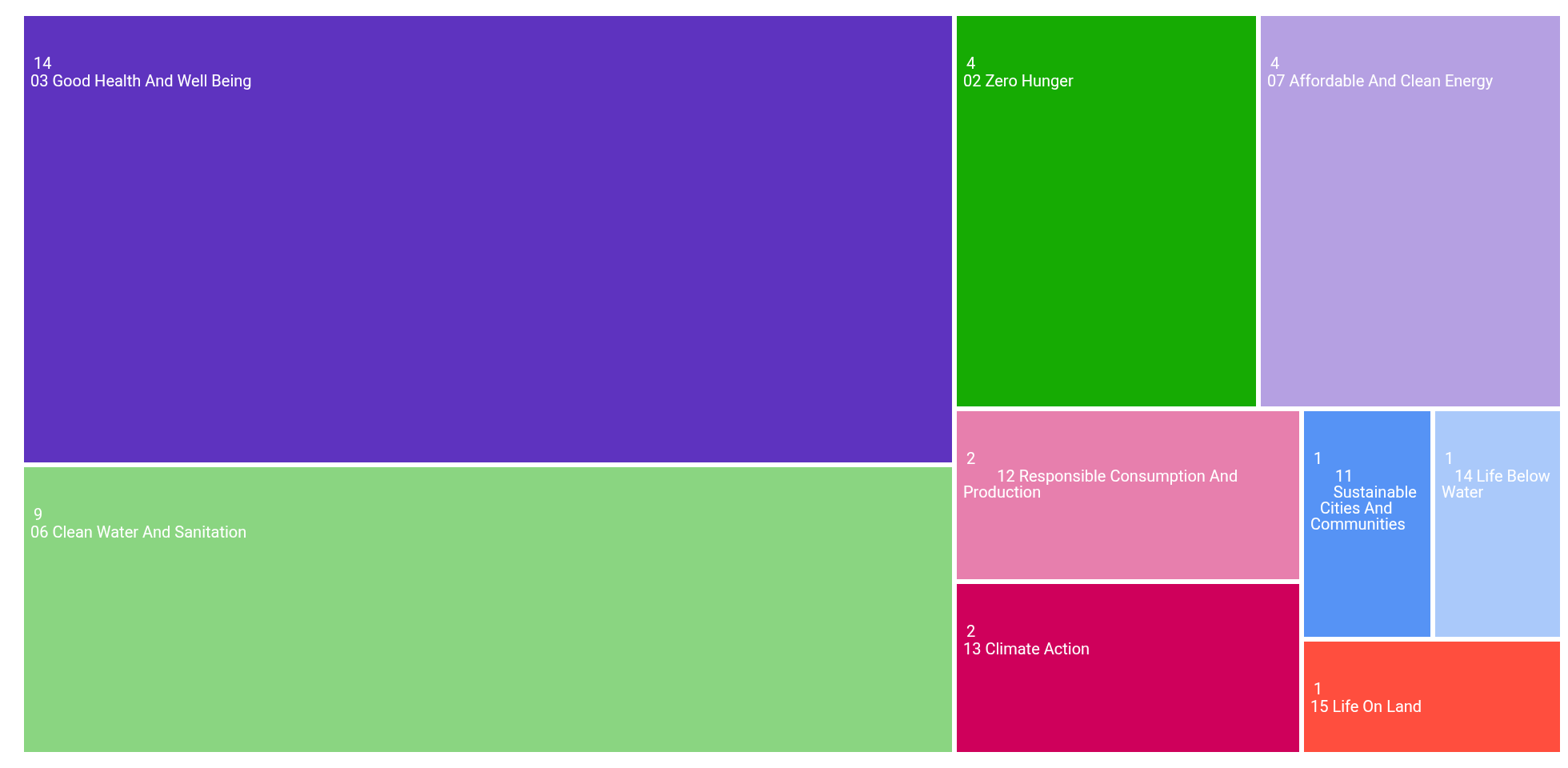
Sustainable Development Goals:
The publishers:
| Publishers | Record Count | % of 35 |
|---|---|---|
| Elsevier | 15 | 42.857% |
| Royal Soc Chemistry | 9 | 25.714% |
| Amer Chemical Soc | 3 | 8.571% |
| Springer Nature | 2 | 5.714% |
| Wiley | 2 | 5.714% |
| AIP Publishing | 1 | 2.857% |
| Hindawi Publishing Group | 1 | 2.857% |
| Natl Inst Science Communication-Niscair | 1 | 2.857% |
| Springer Int Publ AG | 1 | 2.857% |
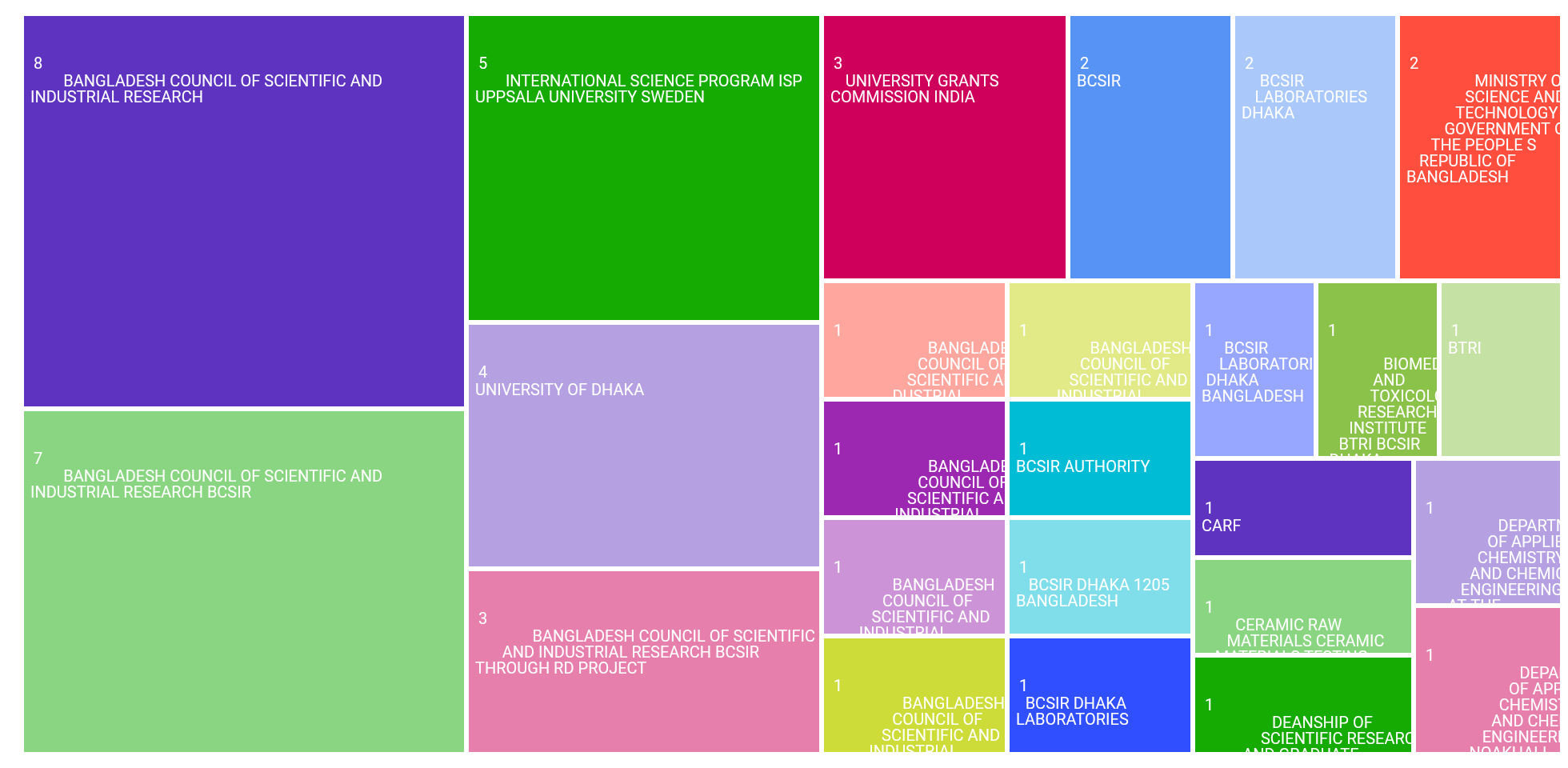
Funding Agencies:
Web of Science Index:
| Index | Record Count | % of 35 |
|---|---|---|
| Science Citation Index Expanded (SCI-EXPANDED) | 25 | 71.429% |
| Emerging Sources Citation Index (ESCI) | 10 | 28.571% |
Research highlights of BTRI:
| Category | Count |
|---|---|
| Early Access | 1 |
| Open Access | 23 |
| Enriched Cited References | 22 |
| Open Publisher-Invited Reviews | 3 |
Observations:
1. Chemistry-focused research dominates BTRI’s output.
2. Elsevier and Royal Society of Chemistry publish the majority of papers.
3. International collaboration is present but limited, mainly with the USA.
Questions:
1. What research themes within chemistry are most prevalent at BTRI?
2. How does the collaboration network influence citation impact?
3. What strategies could increase multidisciplinary and international publications?
BTRI demonstrates strong productivity and niche expertise, with potential to expand interdisciplinary reach and global partnerships for higher research visibility.