
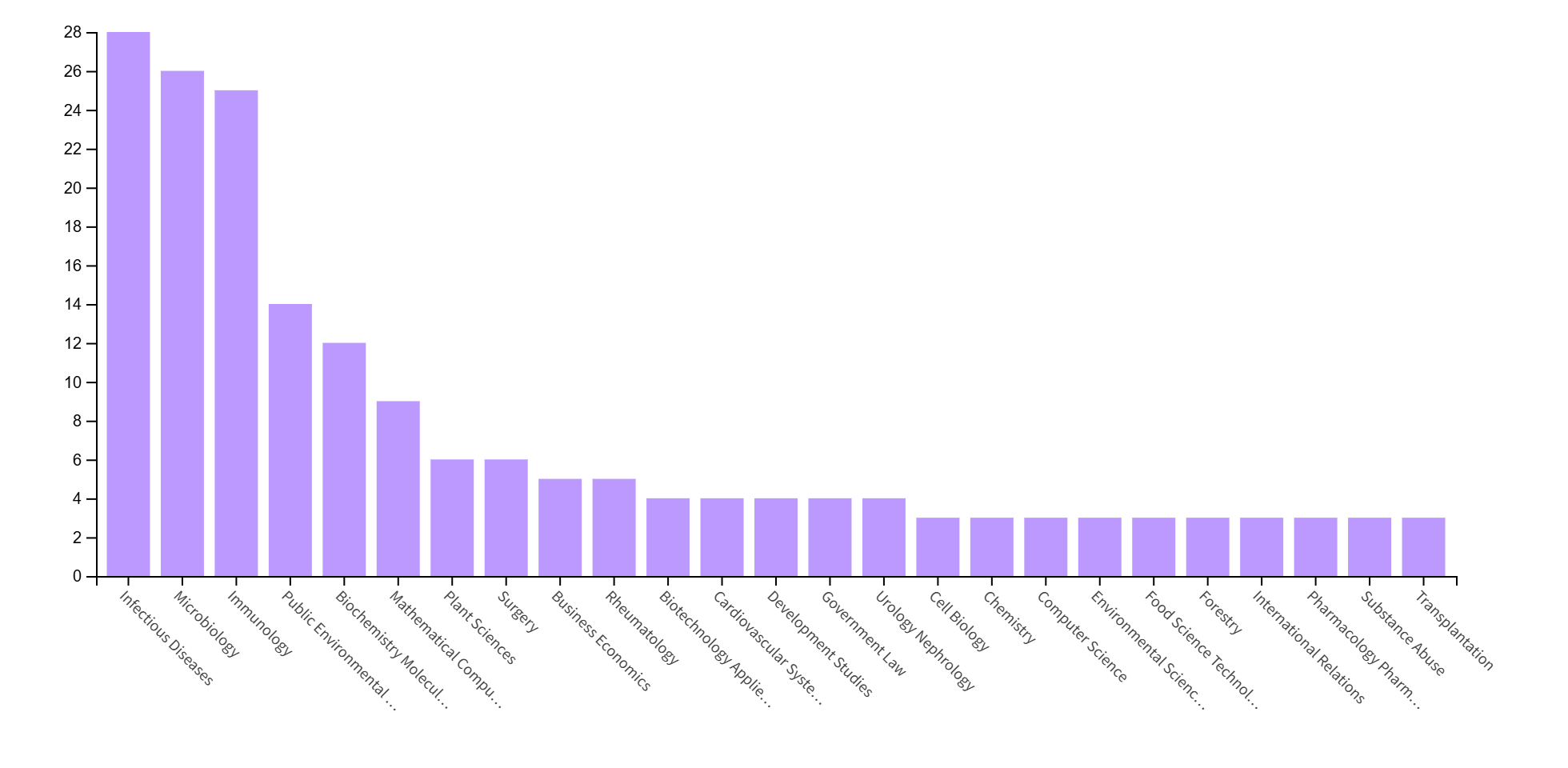
An analysis of 120 research publications from Bangladesh indexed in Oxford University Press journals reveals a strong international research presence. Bangladesh contributed to every paper (100%), often in collaboration with major research partners such as the USA (41.67%), England (35.83%), and Pakistan (21.67%). The top research categories include Infectious Diseases (23.33%), Microbiology (21.67%), and Immunology (20.83%), indicating a dominant biomedical and public health focus. Articles made up the majority of outputs (80.83%), while Review Articles (5%) and Meeting Abstracts (9.17%) followed. Prominent Bangladeshi contributors include Farhana Khanam, Firdausi Qadri, and Dr. Md. Taufiqul Islam, showing a consistent local leadership in global research collaborations. The publication pattern reflects Bangladesh’s growing impact in multidisciplinary and cross-border scientific efforts, particularly in disease research and health sciences. Web of Science
The areas of research publication categories in the TreeMap:
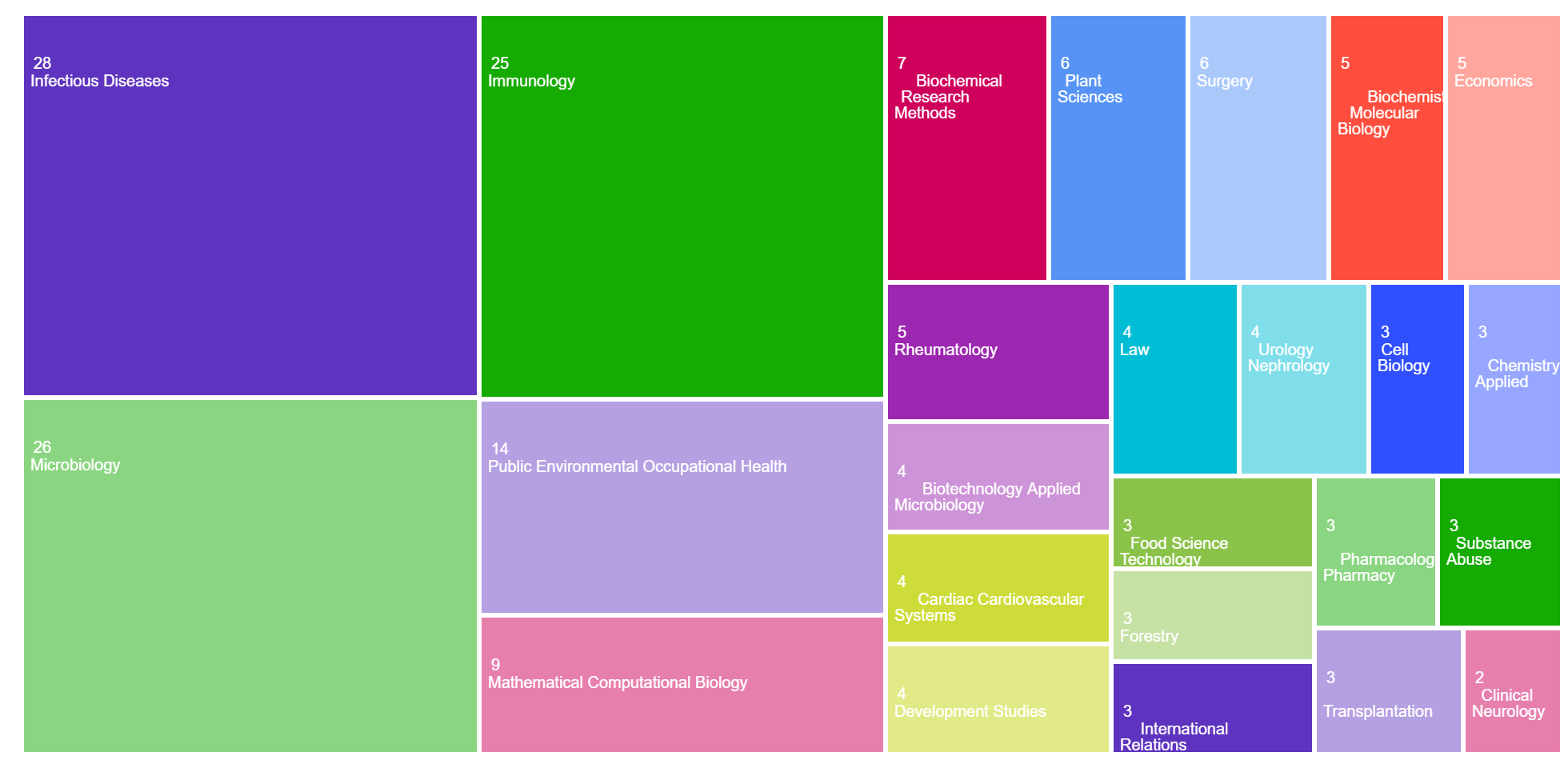
Research contributions in the field:
| Categories | Record Count | % of 120 |
|---|---|---|
| Infectious Diseases | 28 | 23.333% |
| Microbiology | 26 | 21.667% |
| Immunology | 25 | 20.833% |
| Public Environmental Occupational Health | 14 | 11.667% |
| Mathematical Computational Biology | 9 | 7.500% |
| Biochemical Research Methods | 7 | 5.833% |
| Plant Sciences | 6 | 5.000% |
| Surgery | 6 | 5.000% |
| Biochemistry Molecular Biology | 5 | 4.167% |
| Economics | 5 | 4.167% |
| Rheumatology | 5 | 4.167% |
| Biotechnology Applied Microbiology | 4 | 3.333% |
| Cardiac Cardiovascular Systems | 4 | 3.333% |
| Development Studies | 4 | 3.333% |
| Law | 4 | 3.333% |
| Urology Nephrology | 4 | 3.333% |
| Cell Biology | 3 | 2.500% |
| Chemistry Applied | 3 | 2.500% |
| Food Science Technology | 3 | 2.500% |
| Forestry | 3 | 2.500% |
| International Relations | 3 | 2.500% |
| Pharmacology Pharmacy | 3 | 2.500% |
| Substance Abuse | 3 | 2.500% |
| Transplantation | 3 | 2.500% |
| Clinical Neurology | 2 | 1.667% |
Research areas:
Types of published documents:
| Types | Record Count | % of 120 |
|---|---|---|
| Article | 97 | 80.833% |
| Meeting Abstract | 11 | 9.167% |
| Review Article | 6 | 5.000% |
| Editorial Material | 4 | 3.333% |
| Book Review | 1 | 0.833% |
| Early Access | 1 | 0.833% |
| Letter | 1 | 0.833% |
| Proceeding Paper | 1 | 0.833% |
Authors’ infographic (Top 25):
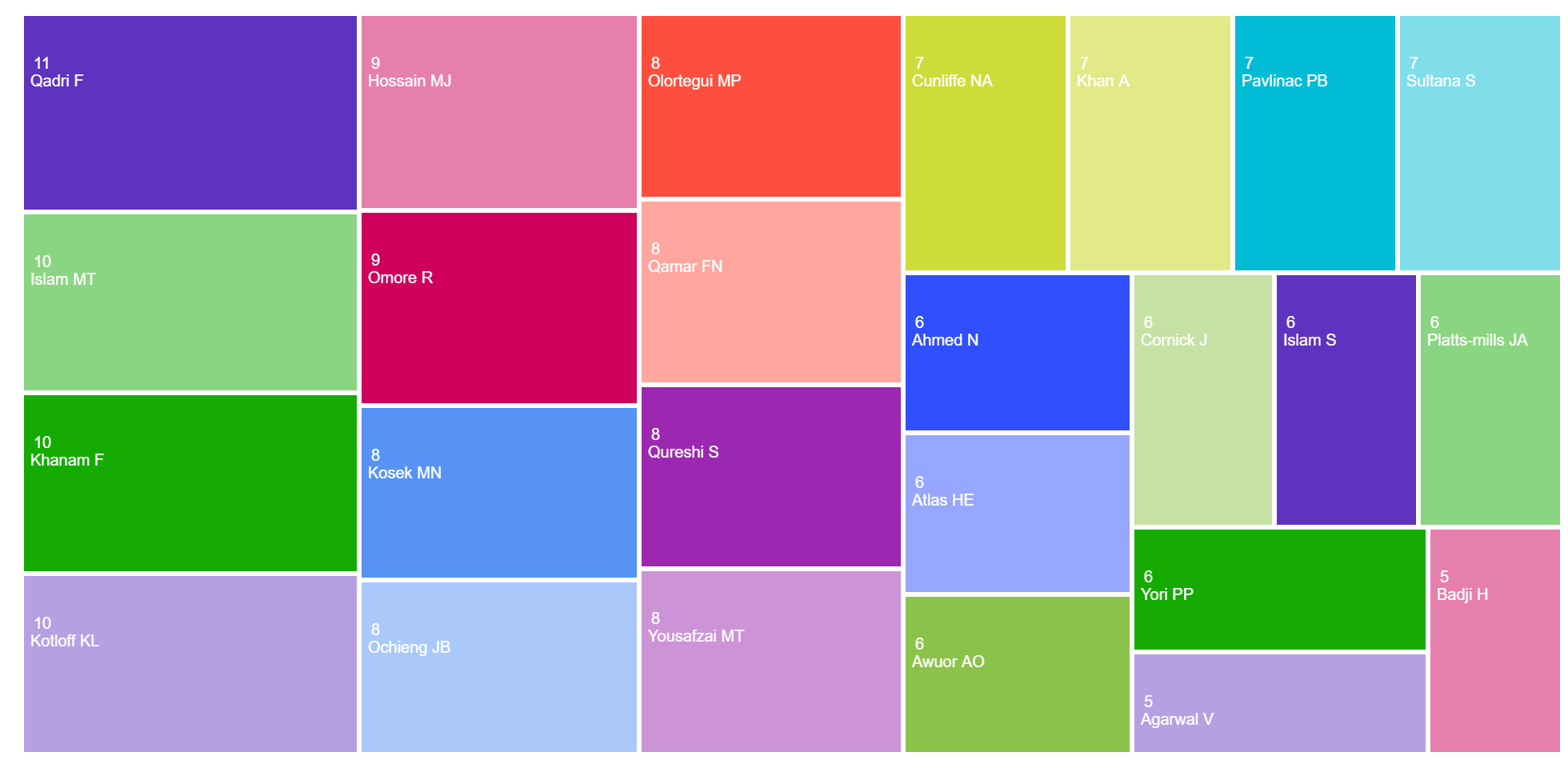
Researcher profiles (Top 25):
| Researcher | Record Count | % of 120 |
|---|---|---|
| Farhana Khanam | 9 | 7.500% |
| Richard Omore | 9 | 7.500% |
| Margaret N Kosek | 8 | 6.667% |
| Yousafzai, Mohammad Tahir | 8 | 6.667% |
| Hossain, M. Jahangir | 8 | 6.667% |
| Pavlinac, Patricia B. | 7 | 5.833% |
| John Benjamin Ochieng | 7 | 5.833% |
| Olortegui, Maribel Paredes | 7 | 5.833% |
| Firdausi Qadri | 7 | 5.833% |
| Qureshi, Sonia | 7 | 5.833% |
| Farah Naz Qamar | 7 | 5.833% |
| Platts-Mills, James | 7 | 5.833% |
| Alex. O. Awuor | 6 | 5.000% |
| Jennifer Cornick | 6 | 5.000% |
| Dr. Md. Taufiqul Islam | 6 | 5.000% |
| Cunliffe, Nigel A. | 6 | 5.000% |
| Karen Kotloff | 6 | 5.000% |
| Atlas, Hannah E. | 6 | 5.000% |
| Agarwal, Vikas | 5 | 4.167% |
| Gupta, Latika | 5 | 4.167% |
| Feutz, Erika | 5 | 4.167% |
| Ziade, Nelly | 5 | 4.167% |
| Nikiphorou, Elena | 5 | 4.167% |
| Badji, Henry | 5 | 4.167% |
| Dey, Ida Dzifa | 5 | 4.167% |
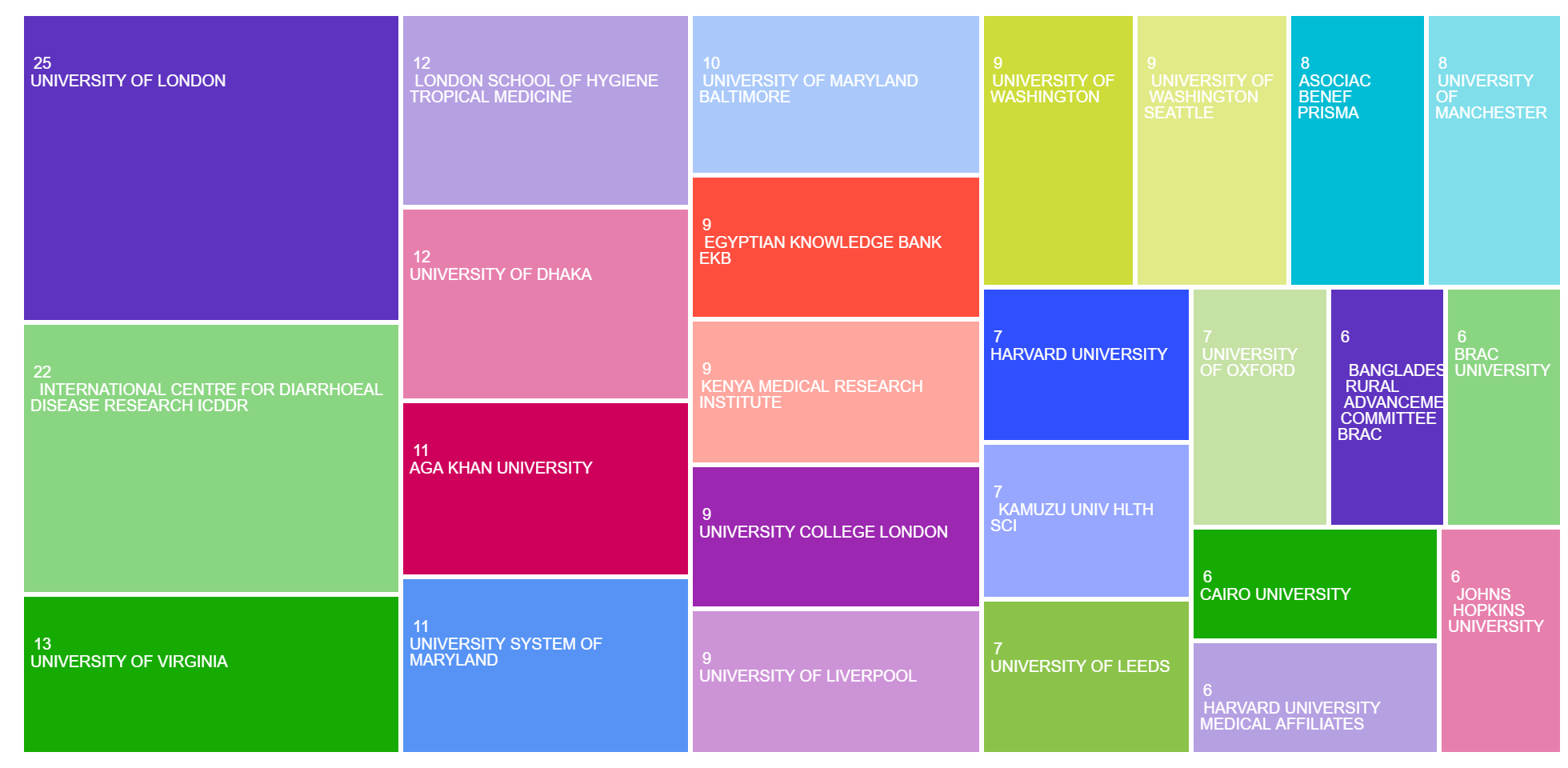
Research-affiliated institutes:
Research collaboration countries:
| Countries | Record Count | % of 120 |
|---|---|---|
| Bangladesh | 120 | 100.000% |
| USA | 50 | 41.667% |
| England | 43 | 35.833% |
| Pakistan | 26 | 21.667% |
| Australia | 23 | 19.167% |
| India | 20 | 16.667% |
| Japan | 19 | 15.833% |
| Peoples R China | 17 | 14.167% |
| Germany | 14 | 11.667% |
| Kenya | 13 | 10.833% |
| Switzerland | 12 | 10.000% |
| Canada | 11 | 9.167% |
| Italy | 11 | 9.167% |
| Brazil | 10 | 8.333% |
| Malawi | 10 | 8.333% |
| Egypt | 9 | 7.500% |
| Gambia | 9 | 7.500% |
| Peru | 9 | 7.500% |
| Scotland | 9 | 7.500% |
| Colombia | 8 | 6.667% |
| France | 8 | 6.667% |
| Mali | 8 | 6.667% |
| Mexico | 8 | 6.667% |
| South Africa | 8 | 6.667% |
| Sweden | 8 | 6.667% |
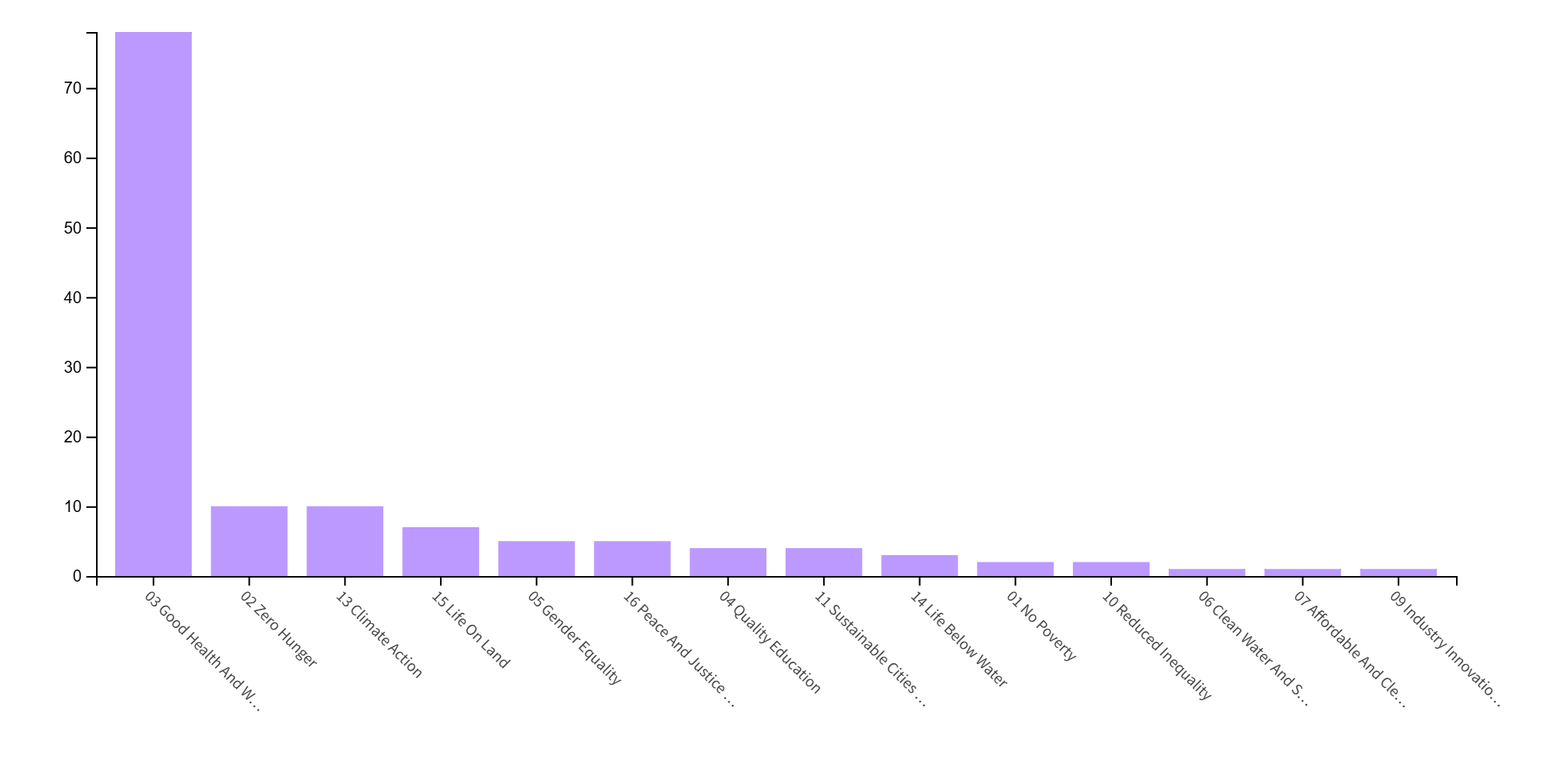
Sustainable Development Goals:
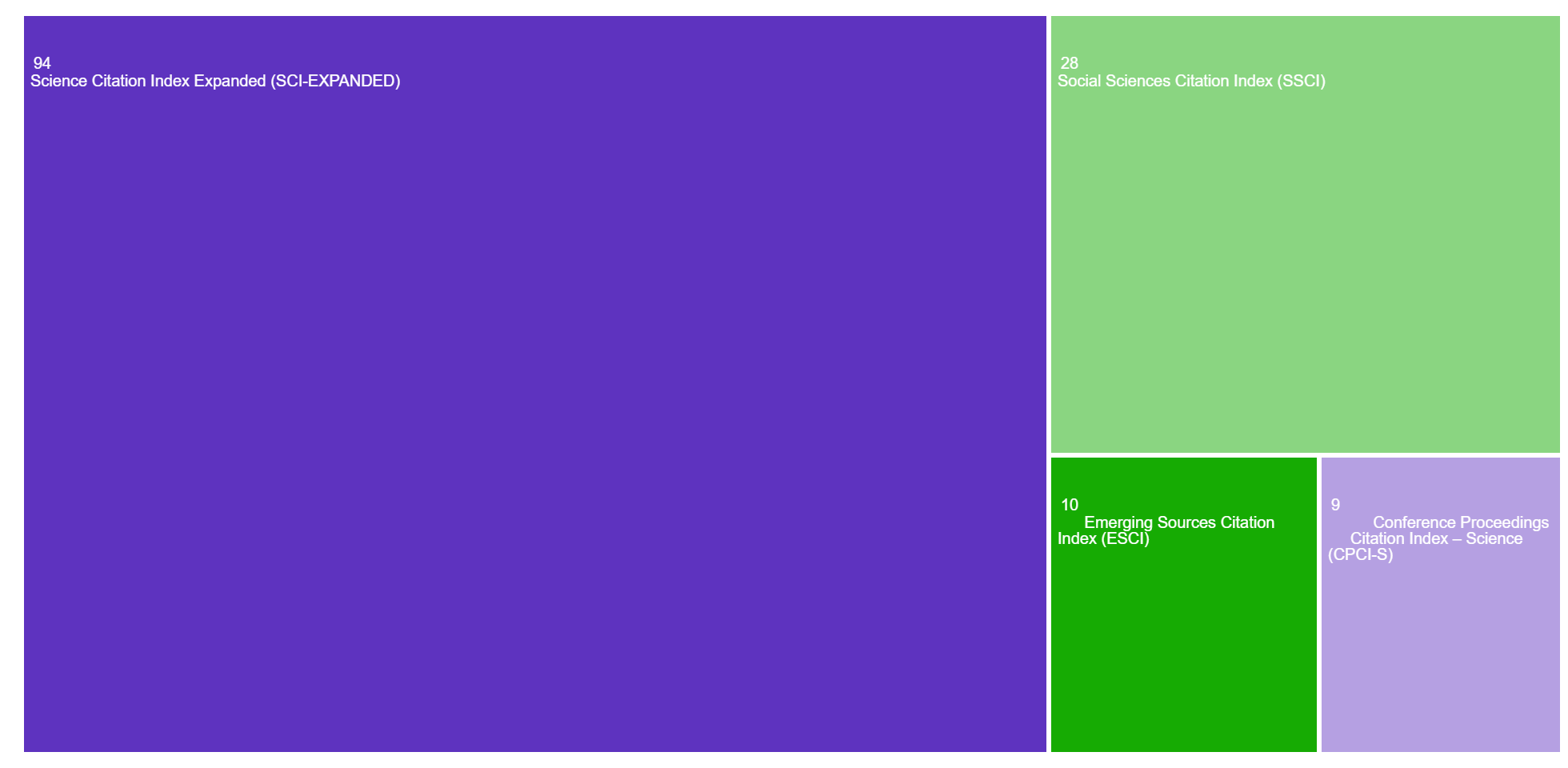
Web of Science Index:
Research highlights in the Oxford University Press Journal from Bangladesh:
| Type | Result |
|---|---|
| Review Article | 6 |
| Early Access | 1 |
| Open Access | 80 |
| Enriched Cited References | 79 |
Observations:
-
Most publications are full research articles, demonstrating substantive contributions rather than brief reports.
-
Bangladesh’s research shows strong linkage with Western and regional institutions, suggesting a high degree of collaboration.
-
Biomedical and health-related fields overwhelmingly dominate, with minimal representation from physical or social sciences.
Questions:
-
What specific research programs or grants facilitated Bangladesh’s high publication rate with Oxford University Press?
-
How can collaboration be expanded to underrepresented scientific fields beyond health and microbiology?
-
Are these publications largely led by Bangladeshi institutions, or are they part of larger multinational research consortia?
This dataset highlights Bangladesh’s emerging scientific identity within Oxford University Press’s global research network—an encouraging sign of the country’s scientific growth, though diversification beyond biomedical sciences could further strengthen its academic portfolio.