

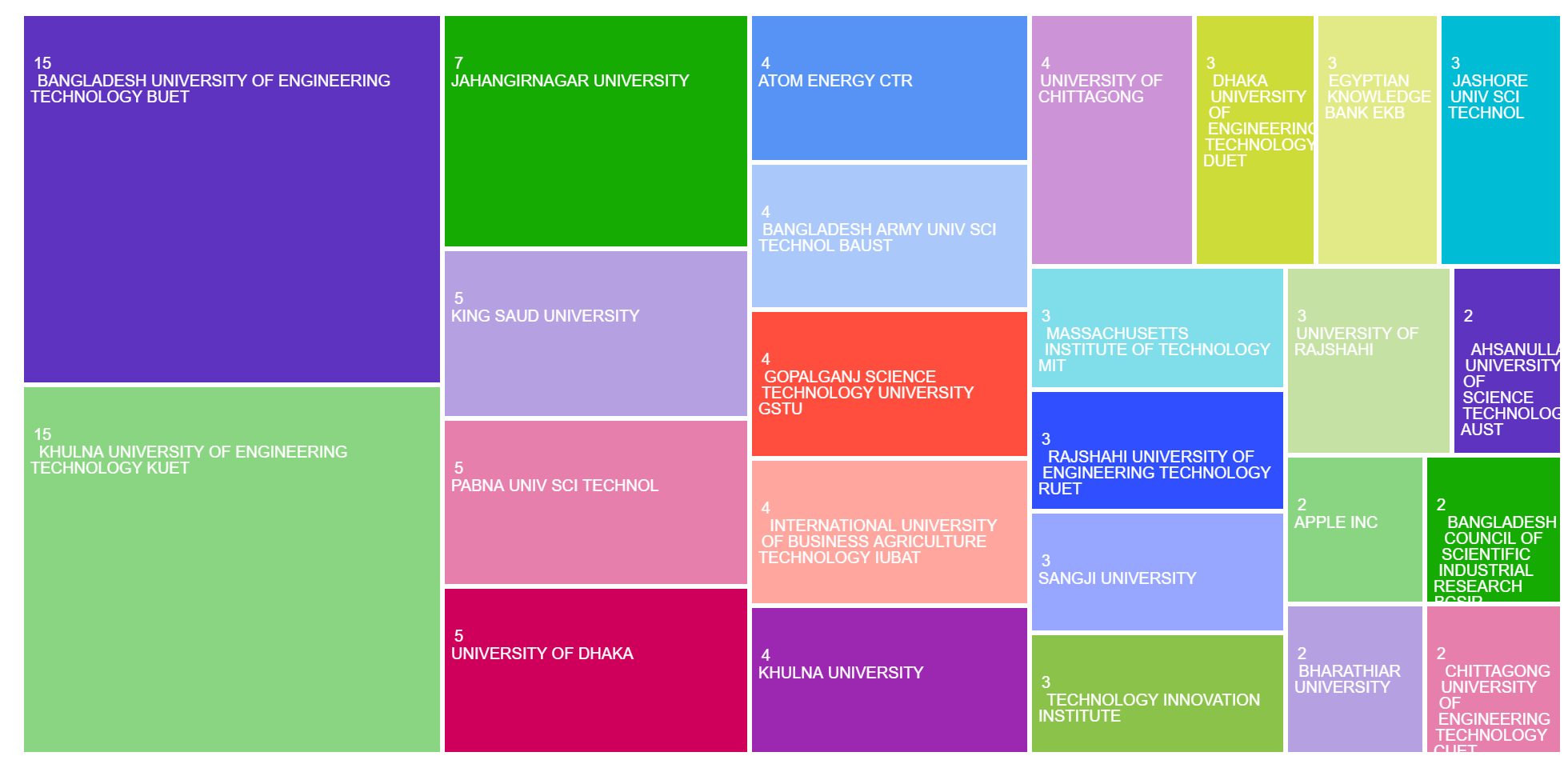
The 2024 publication landscape shows that Bangladesh contributed 74 research articles to AIP Publishing journals, reflecting strong national engagement in applied physics, materials science, and nanotechnology. The output is dominated by leading institutions such as BUET and KUET, each contributing 20.27% of all publications, with notable involvement from Jahangirnagar University, the University of Dhaka, and several engineering universities. Collaboration patterns reveal that although all papers include Bangladeshi authors, researchers also partnered with teams from the USA, India, Saudi Arabia, Japan, China, South Korea, and others. Prominent individual contributors include Islam MR (6 articles), followed by Haque MS and Hasan M (5 each), with many others contributing recurrently across institutions. Overall, the data highlights a growing research community strongly centered in engineering and applied sciences, with increasing international collaboration and multi-institutional participation. Web of Science
The areas of research publication categories in the TreeMap:
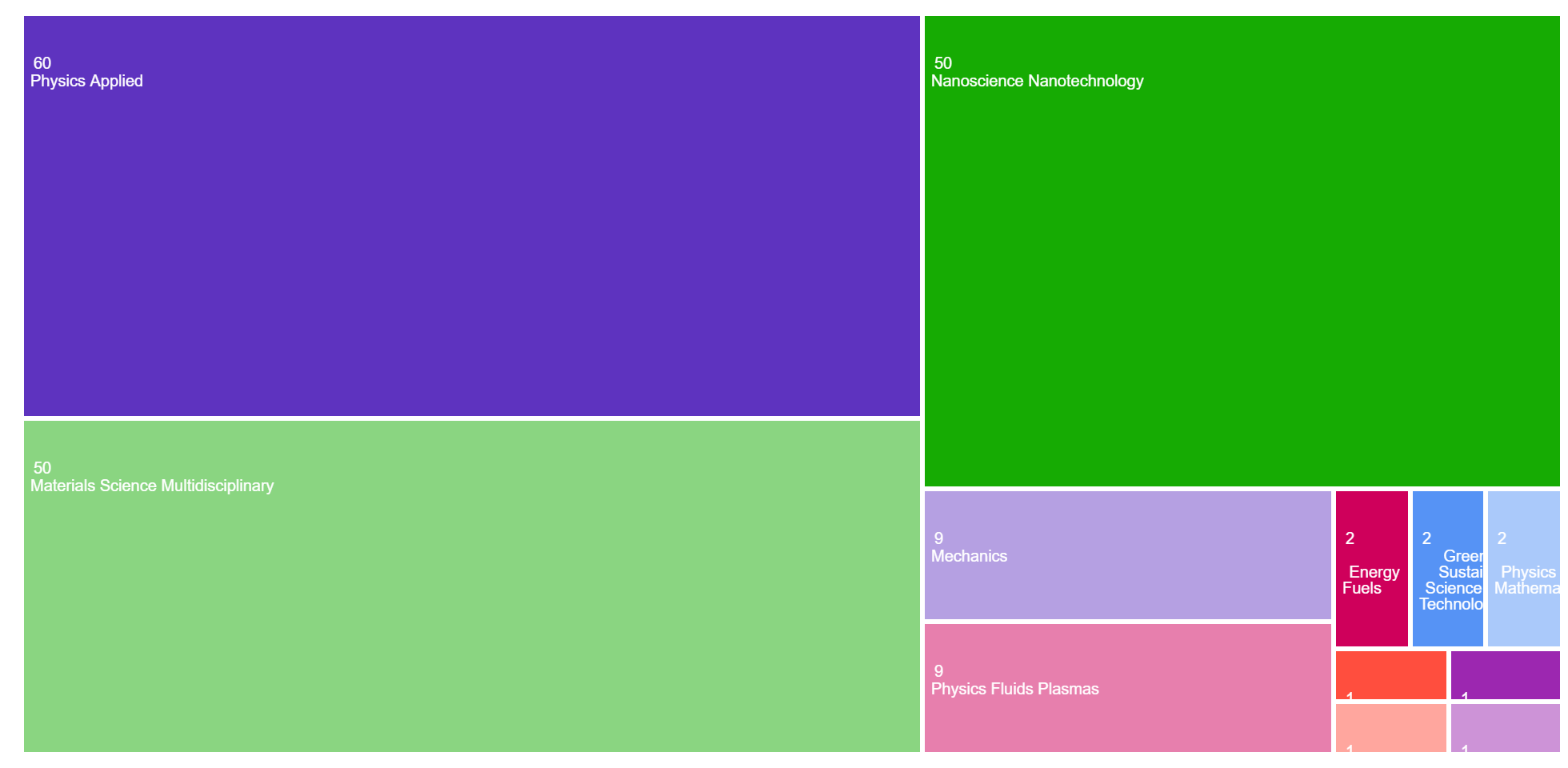
Research contributions in the field:
| Categories | Record Count | % of 74 |
|---|---|---|
| Physics Applied | 60 | 81.081% |
| Materials Science Multidisciplinary | 50 | 67.568% |
| Nanoscience Nanotechnology | 50 | 67.568% |
| Mechanics | 9 | 12.162% |
| Physics Fluids Plasmas | 9 | 12.162% |
| Energy Fuels | 2 | 2.703% |
| Green Sustainable Science Technology | 2 | 2.703% |
| Physics Mathematical | 2 | 2.703% |
| Chemistry Physical | 1 | 1.351% |
| Mathematics Applied | 1 | 1.351% |
| Optics | 1 | 1.351% |
| Physics Atomic Molecular Chemical | 1 | 1.351% |
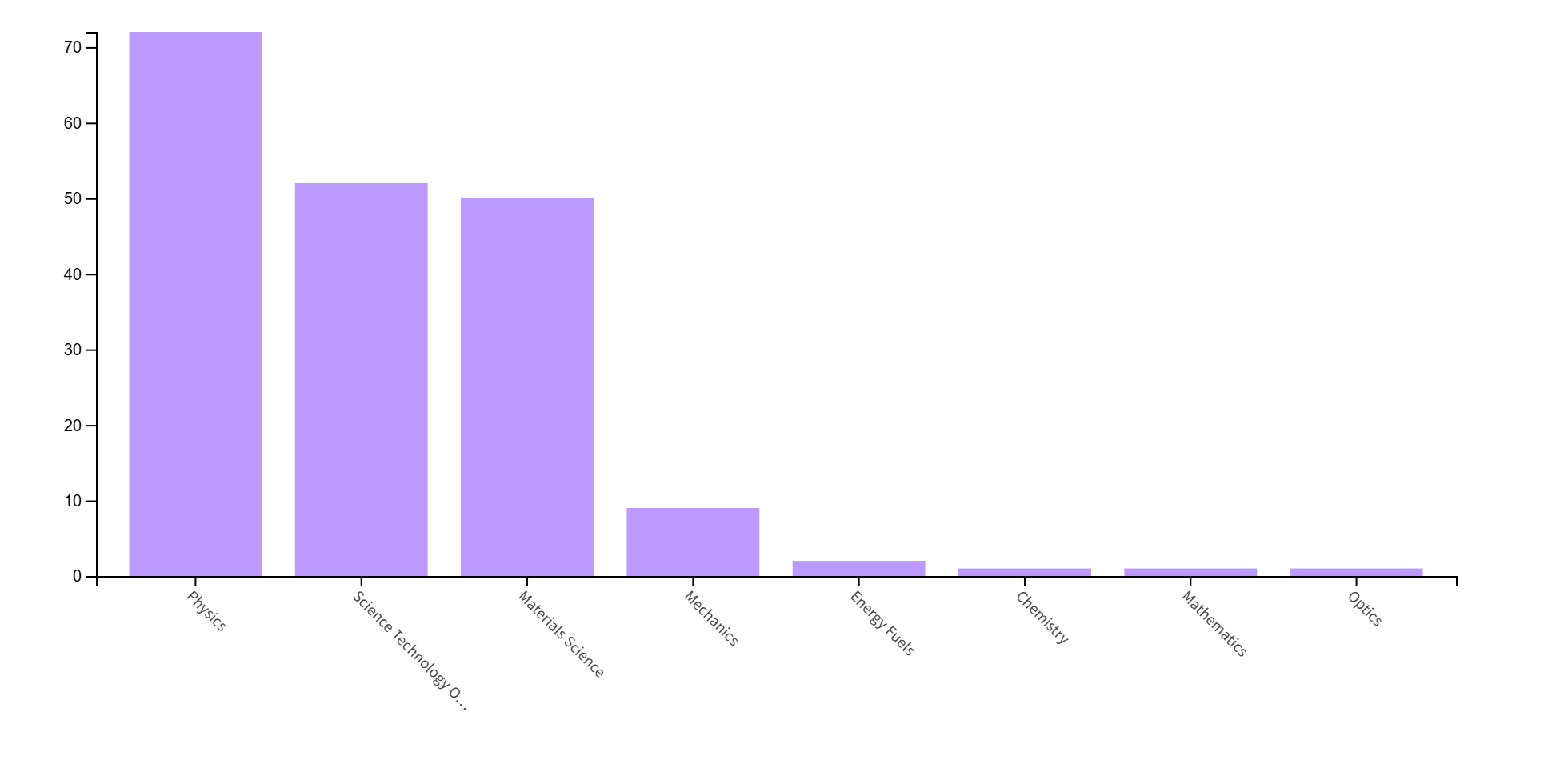
Research areas:
Types of published documents:
| Types | Record Count | % of 74 |
|---|---|---|
| Article | 74 | 100.000% |
Authors’ infographic (Top 25):
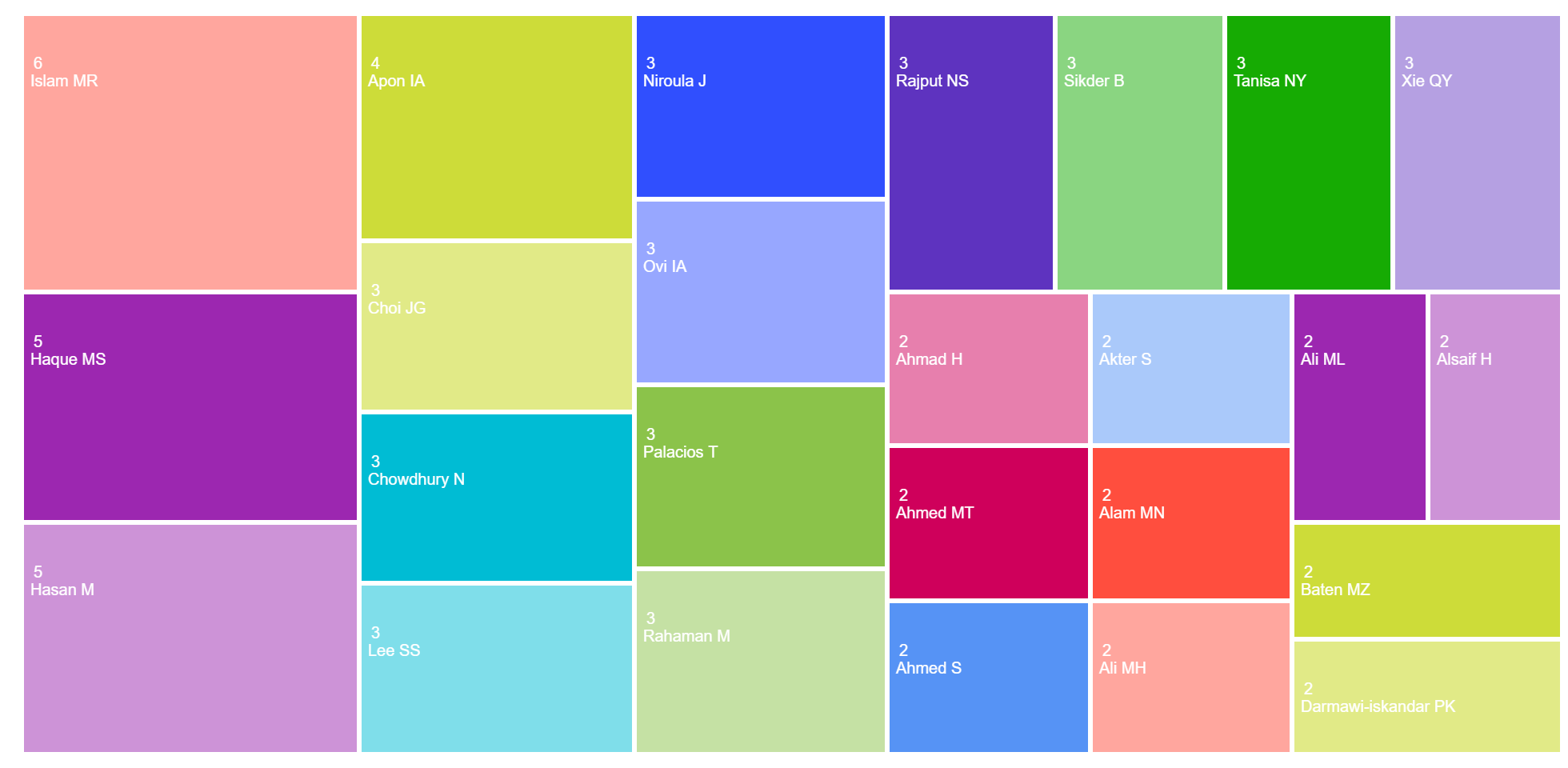
Researcher profiles (Top 25):
| Researcher | Record Count | % of 74 |
|---|---|---|
| Haque, Mohammad Salman | 5 | 6.757% |
| Apon, ImtiazAhamed | 4 | 5.405% |
| Islam, Md. Rafiqul | 3 | 4.054% |
| Chowdhury, Nadim | 3 | 4.054% |
| Lee, Sang Suk | 3 | 4.054% |
| Choi, Jong-Gu | 3 | 4.054% |
| Rajput, Nitul | 3 | 4.054% |
| Sikder, Bejoy | 3 | 4.054% |
| Hasan, Mahbub | 3 | 4.054% |
| Xie, Qingyun | 3 | 4.054% |
| Tanisa, Nilufer Yesmin | 3 | 4.054% |
| Ovi, Istiak Ahmed | 3 | 4.054% |
| Niroula, John | 3 | 4.054% |
| Miyara, Makoto | 2 | 2.703% |
| Alam, Prof. Dr. Md. Nur | 2 | 2.703% |
| Islam, Mohammad Tariqul | 2 | 2.703% |
| Zhou, Ling | 2 | 2.703% |
| Islam, Md Didarul | 2 | 2.703% |
| Gemeay, Ahmed | 2 | 2.703% |
| Alsaif, Haitham | 2 | 2.703% |
| Rakibuzzaman, Md | 2 | 2.703% |
| Ahmad, Hijaz | 2 | 2.703% |
| Hossain, PhD, Md. Moyazzem | 2 | 2.703% |
| Saha, Sumon | 2 | 2.703% |
| Hafez, Prof. Dr. Md. Golam | 2 | 2.703% |
Research-affiliated institutes:
Research collaboration countries:
| Countries/Regions | Record Count | % of 74 |
|---|---|---|
| Bangladesh | 74 | 100.000% |
| Saudi Arabia | 10 | 13.514% |
| India | 9 | 12.162% |
| USA | 9 | 12.162% |
| Japan | 5 | 6.757% |
| Peoples R China | 5 | 6.757% |
| South Korea | 5 | 6.757% |
| Egypt | 3 | 4.054% |
| Iraq | 3 | 4.054% |
| Malaysia | 3 | 4.054% |
| Turkiye | 3 | 4.054% |
| U Arab Emirates | 3 | 4.054% |
| Algeria | 2 | 2.703% |
| Australia | 2 | 2.703% |
| Canada | 2 | 2.703% |
| Germany | 2 | 2.703% |
| Italy | 2 | 2.703% |
| Lebanon | 2 | 2.703% |
| Pakistan | 2 | 2.703% |
| Poland | 2 | 2.703% |
| Azerbaijan | 1 | 1.351% |
| Belgium | 1 | 1.351% |
| England | 1 | 1.351% |
| Greece | 1 | 1.351% |
| Indonesia | 1 | 1.351% |
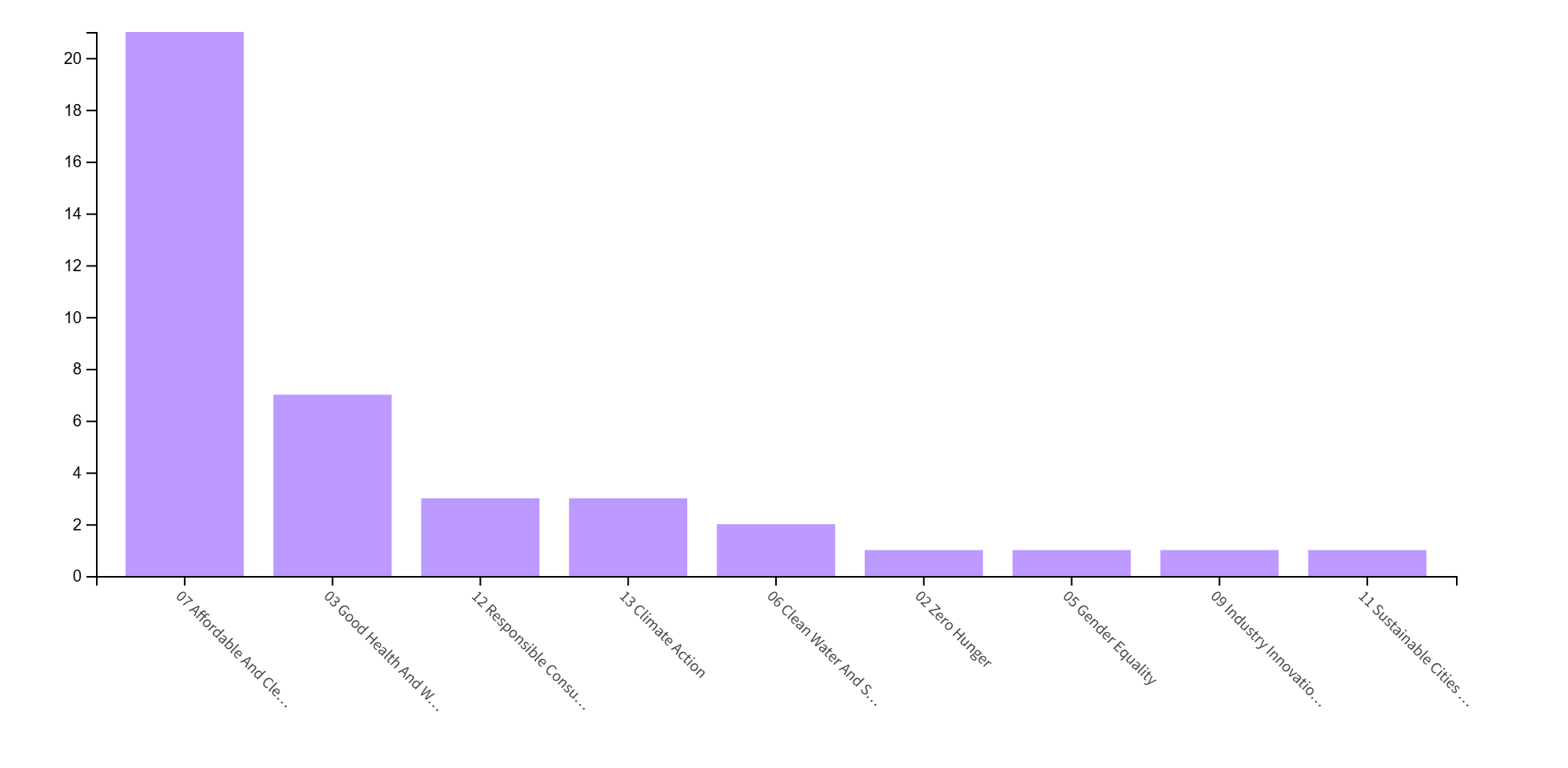
Sustainable Development Goals:
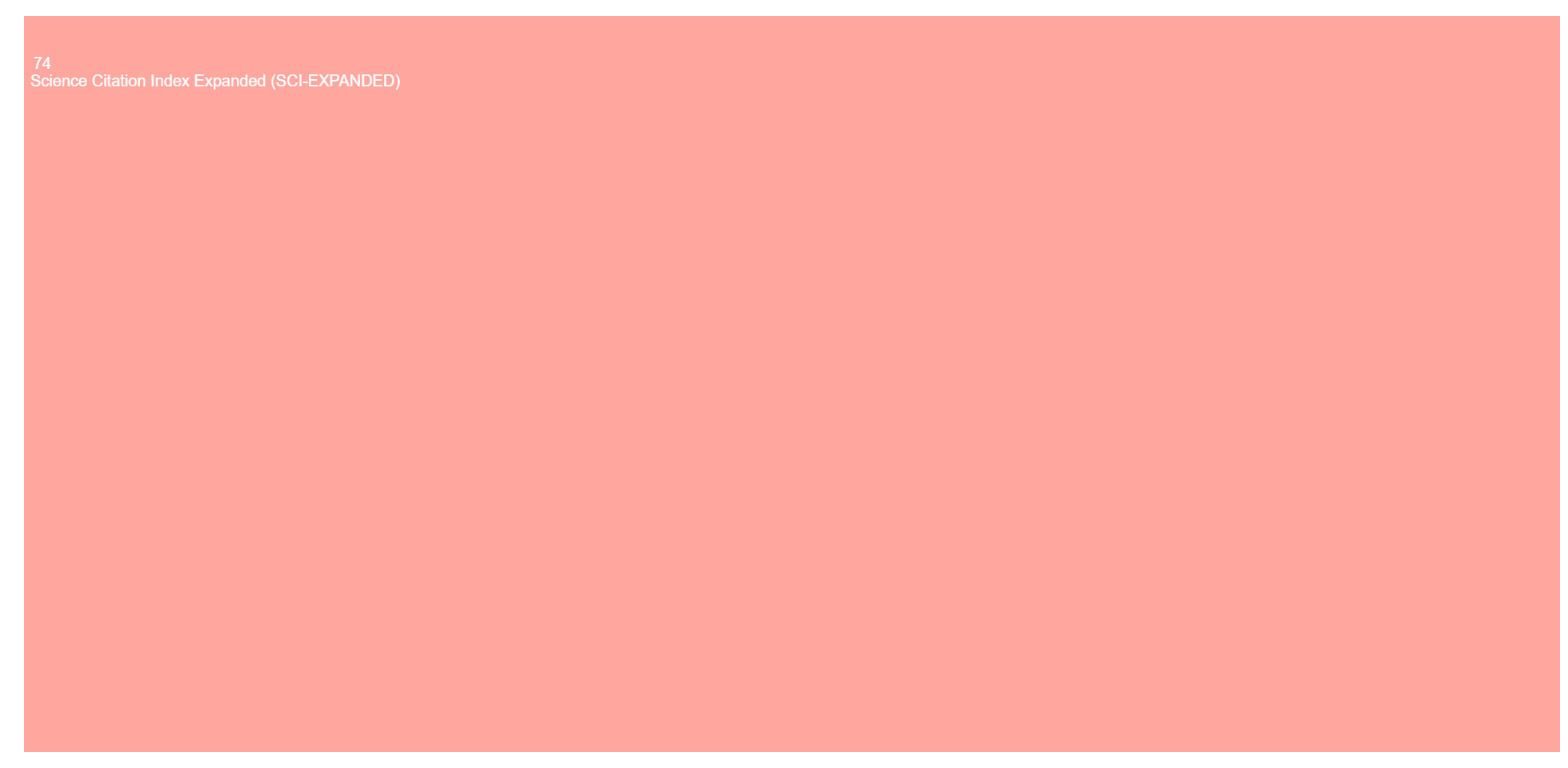
Web of Science Index:
Research highlights of AIP Publishing from Bangladesh:
| Type | Result |
|---|---|
| Open Access | 63 |
| Enriched Cited References | 68 |