
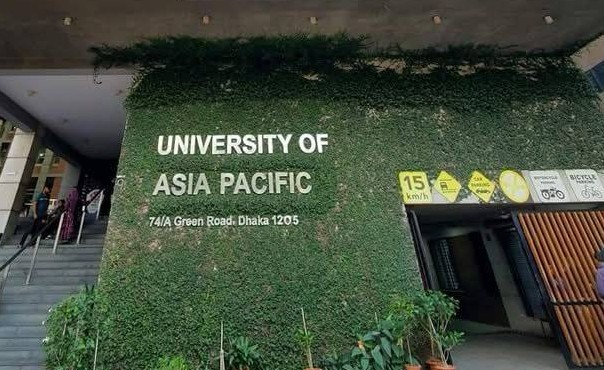
The University of Asia Pacific (UAP) demonstrated a diversified research profile in Web of Science–indexed publications in 2025, with 115 recorded publications spanning multiple disciplines. Research output was dominated by Medicine General Internal (16.522%), Public Environmental Occupational Health (15.652%), and Engineering Electrical Electronic (13.043%), highlighting strong contributions from health, environmental, and engineering-related fields. The publication types were mainly research articles (75.652%), followed by review articles (13.913%) and proceeding papers (6.957%), indicating a strong emphasis on original research. International collaboration was evident, with contributions involving countries such as the USA, Japan, Saudi Arabia, India, and Malaysia. The leading publishers were Wiley (26.957%), Elsevier (22.609%), and IEEE (11.304%), showing significant engagement with major global academic publishing platforms. UAP’s research output reflects growing multidisciplinary activity with notable participation in science, technology, health, and computational research areas. Web of Science
The areas of research publication categories in the TreeMap:
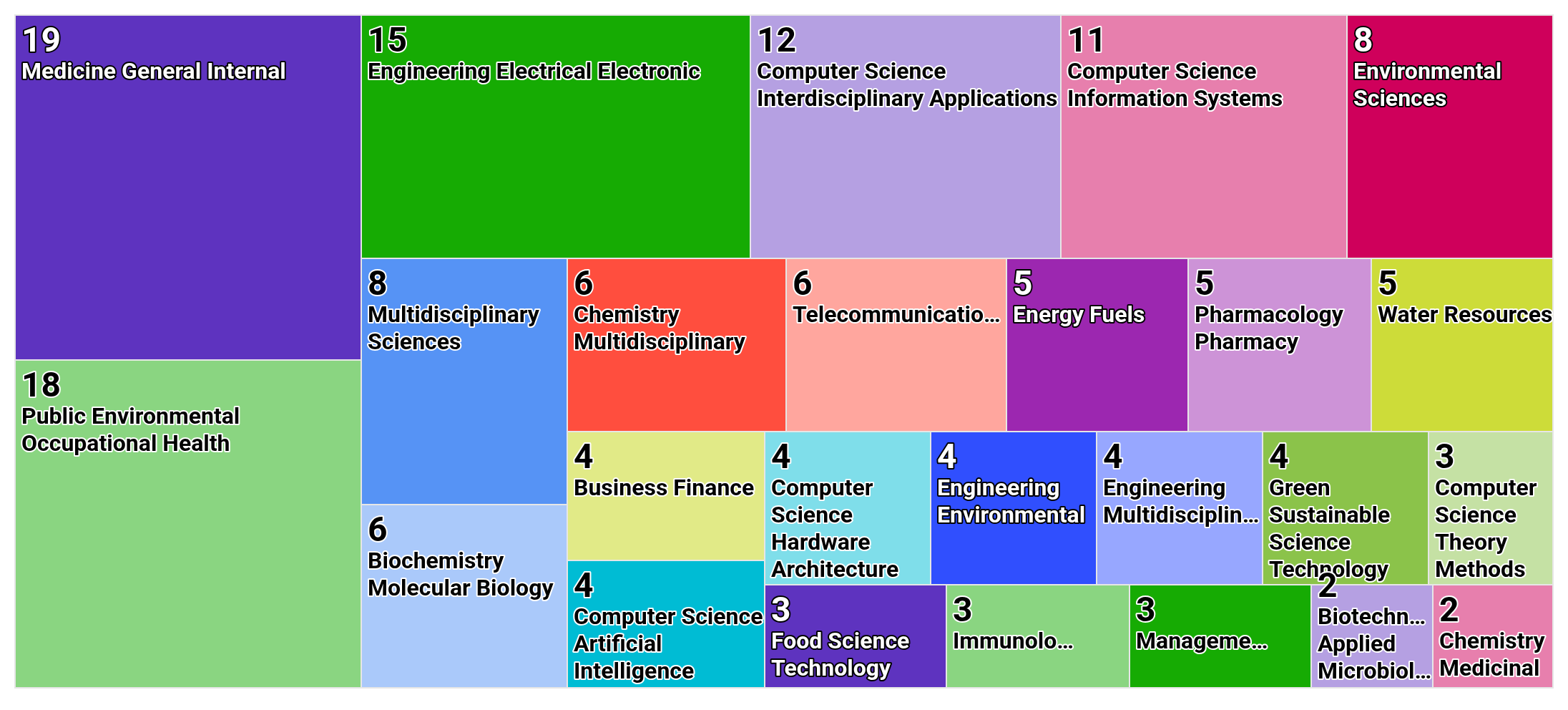
Research contributions in the field:
| Categories | Record Count | % of 115 |
|---|---|---|
| Medicine General Internal | 19 | 16.522% |
| Public Environmental Occupational Health | 18 | 15.652% |
| Engineering Electrical Electronic | 15 | 13.043% |
| Computer Science Interdisciplinary Applications | 12 | 10.435% |
| Computer Science Information Systems | 11 | 9.565% |
| Environmental Sciences | 8 | 6.957% |
| Multidisciplinary Sciences | 8 | 6.957% |
| Biochemistry Molecular Biology | 6 | 5.217% |
| Chemistry Multidisciplinary | 6 | 5.217% |
| Telecommunications | 6 | 5.217% |
| Energy Fuels | 5 | 4.348% |
| Pharmacology Pharmacy | 5 | 4.348% |
| Water Resources | 5 | 4.348% |
| Business Finance | 4 | 3.478% |
| Computer Science Artificial Intelligence | 4 | 3.478% |
| Computer Science Hardware Architecture | 4 | 3.478% |
| Engineering Environmental | 4 | 3.478% |
| Engineering Multidisciplinary | 4 | 3.478% |
| Green Sustainable Science Technology | 4 | 3.478% |
| Computer Science Theory Methods | 3 | 2.609% |
| Food Science Technology | 3 | 2.609% |
| Immunology | 3 | 2.609% |
| Management | 3 | 2.609% |
| Biotechnology Applied Microbiology | 2 | 1.739% |
| Chemistry Medicinal | 2 | 1.739% |
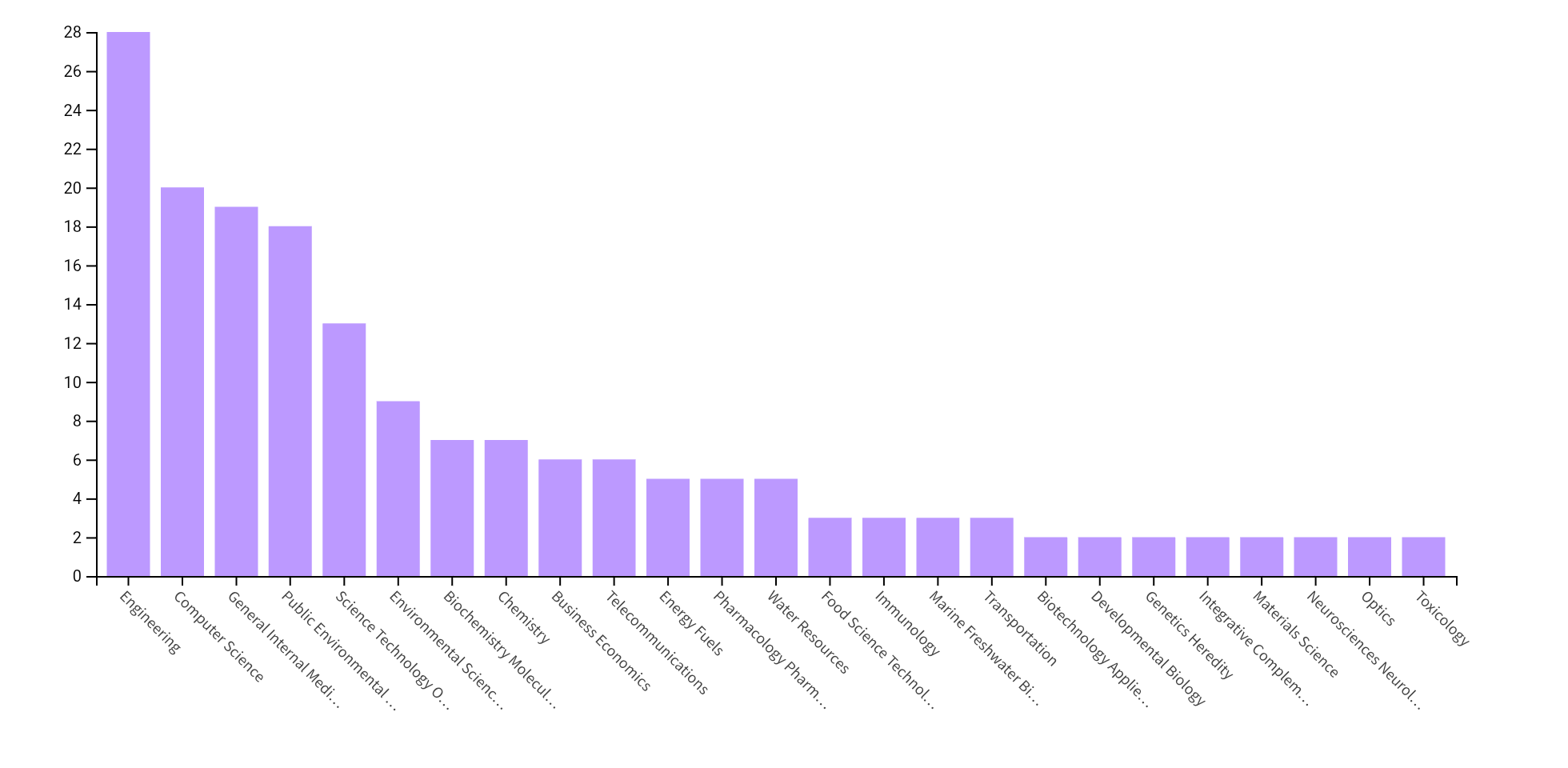
Research areas:
Types of published documents:
| Types | Record Count | % of 115 |
|---|---|---|
| Article | 87 | 75.652% |
| Correction | 2 | 1.739% |
| Data Paper | 2 | 1.739% |
| Early Access | 2 | 1.739% |
| Editorial Material | 1 | 0.870% |
| News Item | 1 | 0.870% |
| Proceeding Paper | 8 | 6.957% |
| Review Article | 16 | 13.913% |
Authors’ infographic (Top 25):
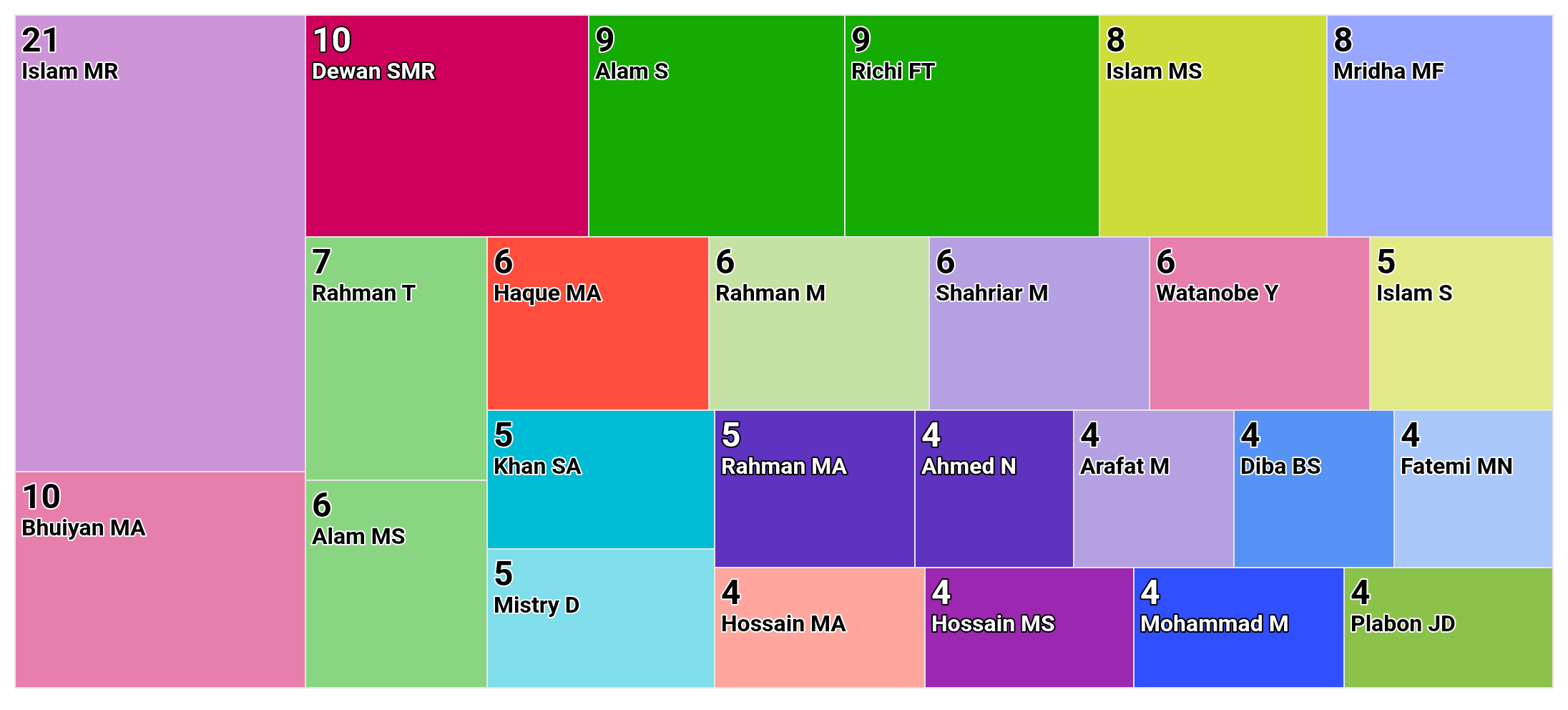
Researcher profiles (Top 25):
| Researchers | Record Count | % of 115 |
|---|---|---|
| Islam, Mohammad Safiqul | 3 | 2.609% |
| hossain, hemayet | 3 | 2.609% |
| Biswas, Dr. Mohammad Shahangir | 3 | 2.609% |
| Emon, Nazim Uddin | 3 | 2.609% |
| Shahriar, Mohammad | 4 | 3.478% |
| Fatemi, Md Nawrose | 4 | 3.478% |
| Alam, Safaet | 9 | 7.826% |
| Bhuiyan, Mohiuddin | 3 | 2.609% |
| Rahman, Tahmina | 4 | 3.478% |
| Bhuiyan, Mohiuddin Ahmed | 7 | 6.087% |
| Mridha, M. F | 8 | 6.957% |
| Watanobe, Yutaka | 6 | 5.217% |
| SHIN, Jungpil | 3 | 2.609% |
| Mohammad, Mahathir | 4 | 3.478% |
| Mistry, Durjoy | 5 | 4.348% |
| Islam, Md. Rabiul | 13 | 11.304% |
| Plabon, J. D. | 4 | 3.478% |
| Richi, Fahmida | 4 | 3.478% |
| Sarkar, Bidita | 4 | 3.478% |
| Shawpnil, S M Ehsan Ul Haque | 4 | 3.478% |
| Richi, Fahmida Tasnim | 5 | 4.348% |
| Haque, Md. Aminul | 4 | 3.478% |
| Islam, Salsabil | 3 | 2.609% |
| Dewan, Syed Masudur Rahman | 10 | 8.696% |
| Shafiullah, Md | 3 | 2.609% |
Research-affiliated institutes:
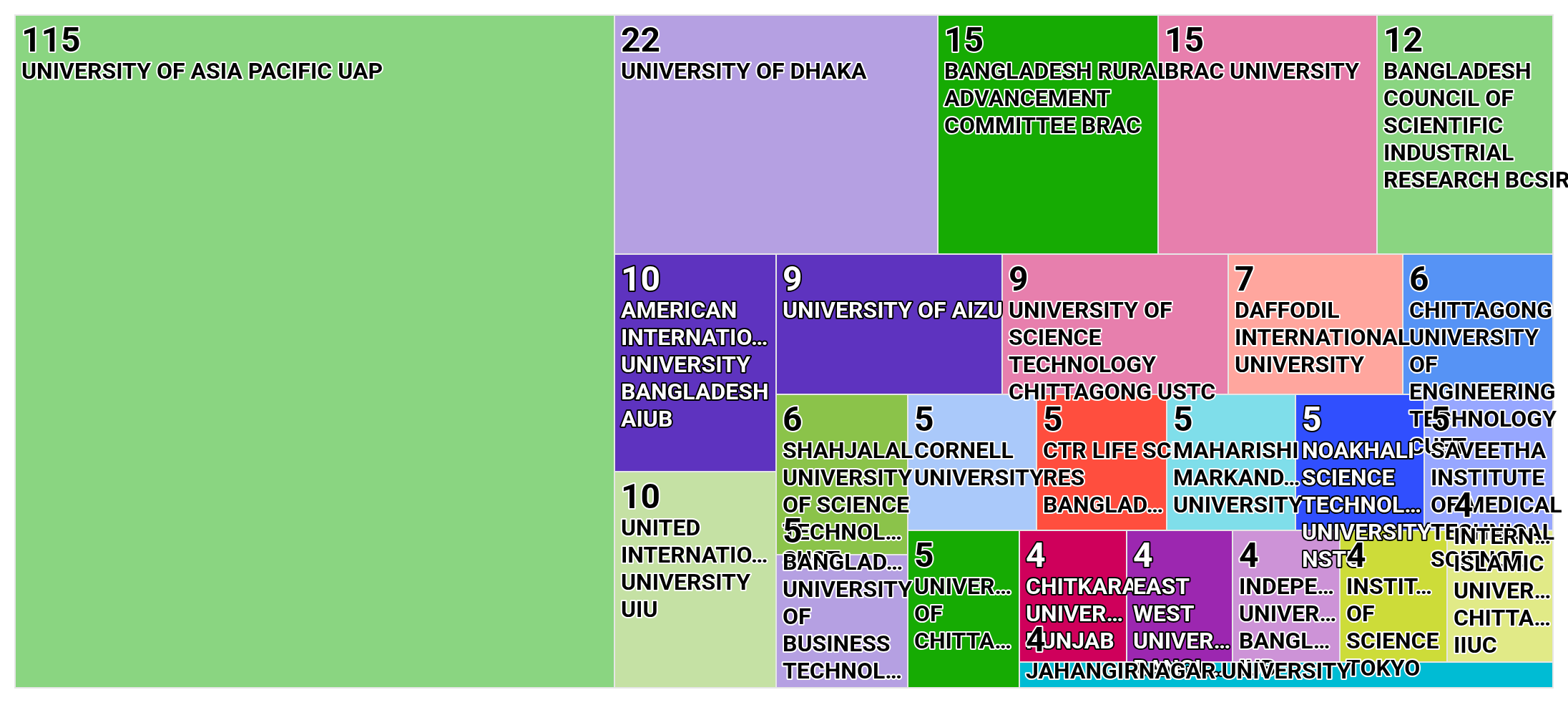
Research collaboration countries:
| Countries/Regions | Record Count | % of 115 |
|---|---|---|
| BANGLADESH | 115 | 100.000% |
| USA | 20 | 17.391% |
| JAPAN | 17 | 14.783% |
| SAUDI ARABIA | 13 | 11.304% |
| INDIA | 11 | 9.565% |
| MALAYSIA | 8 | 6.957% |
| AUSTRALIA | 7 | 6.087% |
| ENGLAND | 6 | 5.217% |
| PEOPLES R CHINA | 5 | 4.348% |
| CHILE | 3 | 2.609% |
| EGYPT | 3 | 2.609% |
| GERMANY | 3 | 2.609% |
| HUNGARY | 3 | 2.609% |
| INDONESIA | 3 | 2.609% |
| IRAQ | 3 | 2.609% |
| ITALY | 3 | 2.609% |
| JORDAN | 3 | 2.609% |
| NEW ZEALAND | 3 | 2.609% |
| NORWAY | 3 | 2.609% |
| SCOTLAND | 3 | 2.609% |
| SPAIN | 3 | 2.609% |
| SWEDEN | 3 | 2.609% |
| ALGERIA | 2 | 1.739% |
| ARGENTINA | 2 | 1.739% |
| AUSTRIA | 2 | 1.739% |
Sustainable Development Goals:
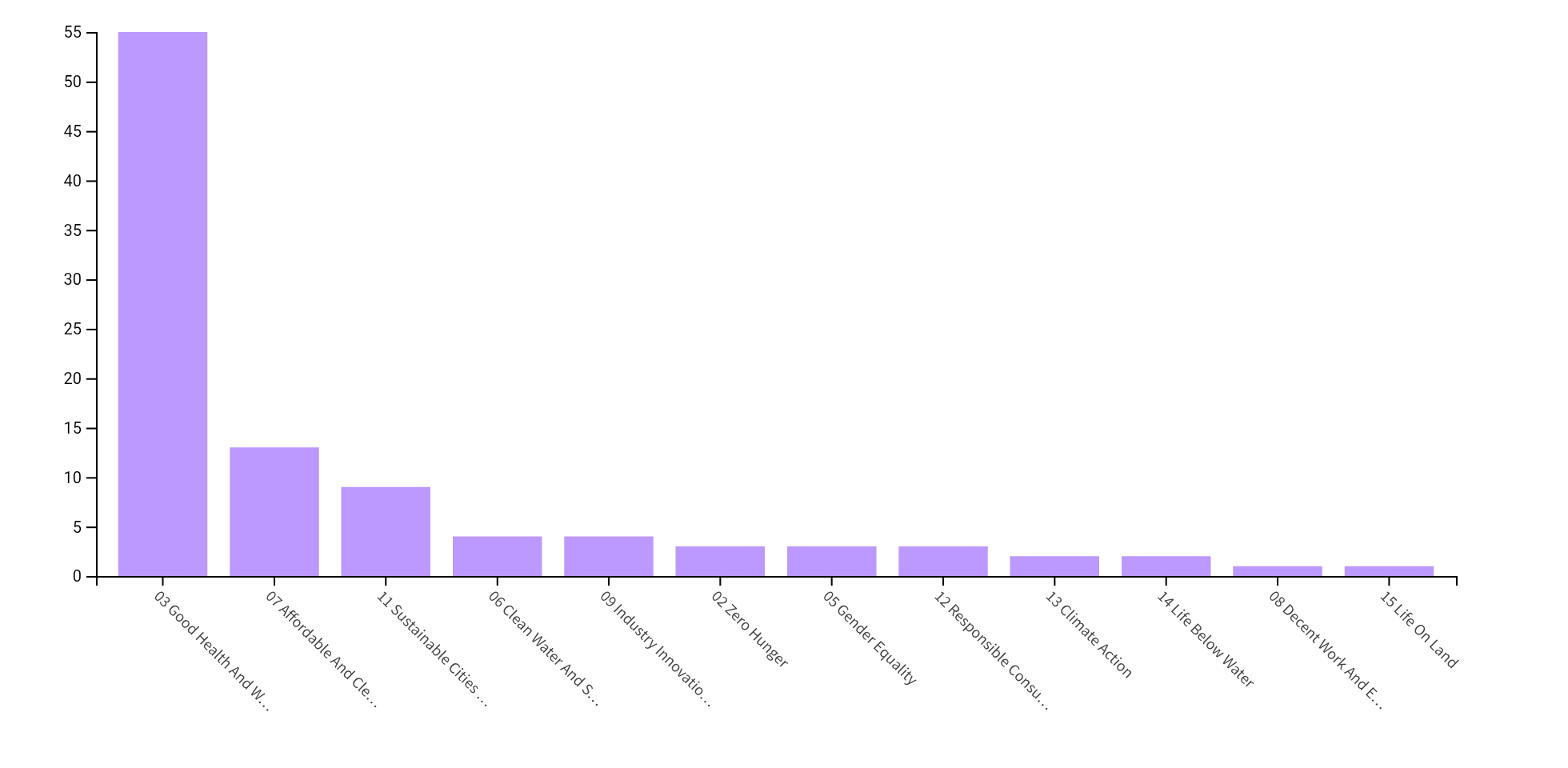
Web of Science Index:
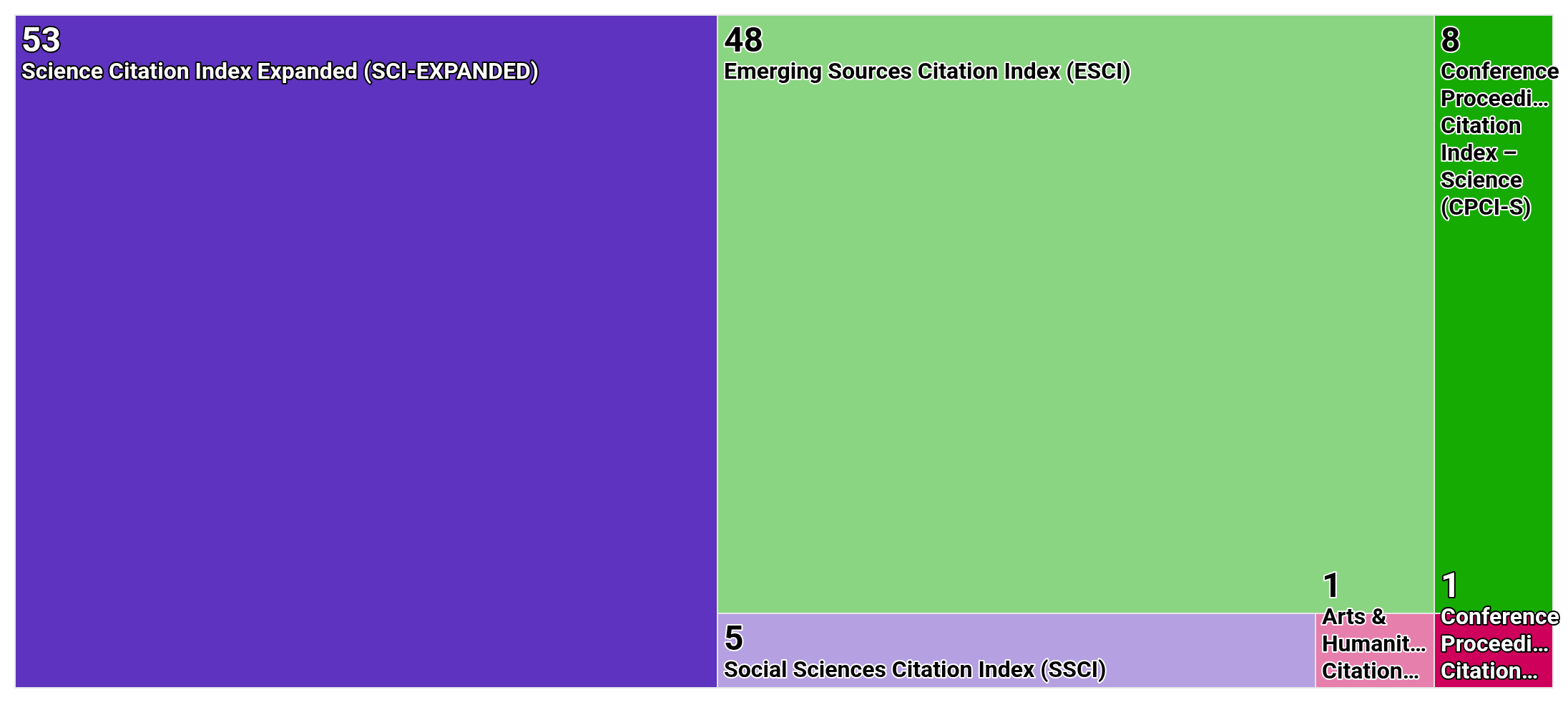
Research highlights of UAP:
| Types | Record Count |
|---|---|
| Review Article | 16 |
| Early Access | 2 |
| Open Access | 81 |
| Enriched Cited References | 54 |
| Open Publisher-Invited Reviews | 1 |
Citation Index:
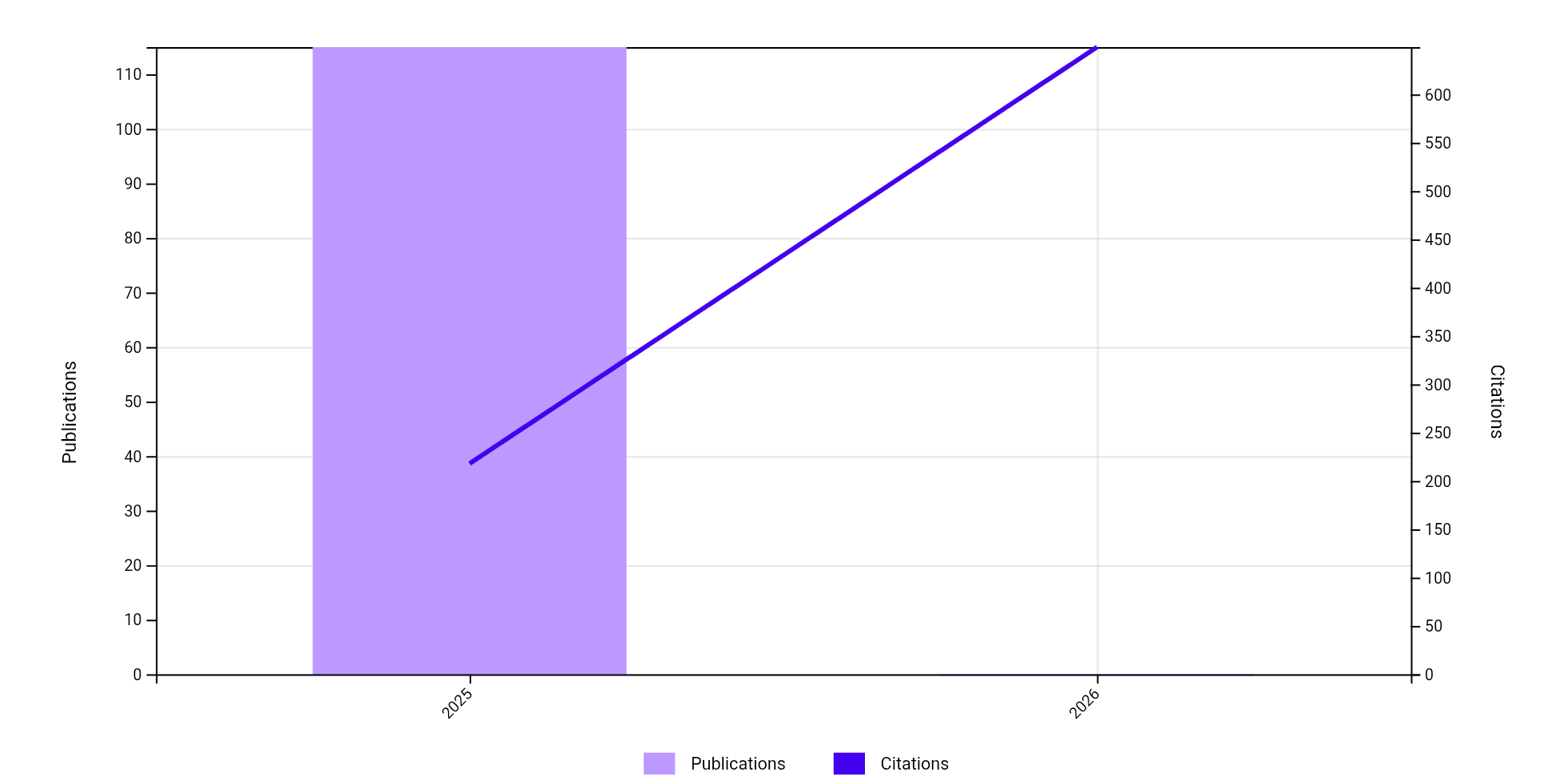
Publishers:
| Publishers | Record Count | % of 115 |
|---|---|---|
| Wiley | 31 | 26.957% |
| Elsevier | 26 | 22.609% |
| IEEE | 13 | 11.304% |
| Springer Nature | 6 | 5.217% |
| Emerald Group Publishing | 5 | 4.348% |
| Mdpi | 4 | 3.478% |
| NATURE PORTFOLIO | 4 | 3.478% |
| Dove Medical Press Ltd | 2 | 1.739% |
| Frontiers Media Sa | 2 | 1.739% |
| Iwa Publishing | 2 | 1.739% |
| Lippincott Williams & Wilkins | 2 | 1.739% |
| ALANYA UNIV | 1 | 0.870% |
| Assoc Computational Linguistics-Acl | 1 | 0.870% |
| Humana Press Inc | 1 | 0.870% |
| IEICE-INST ELECTRONICS INFORMATION COMMUNICATION ENGINEERS | 1 | 0.870% |
| KOREA DISEASE CONTROL & PREVENTION AGENCY | 1 | 0.870% |
| KOREAN SOC ENVIRONMENTAL ENGINEERS – KSEE | 1 | 0.870% |
| Optica Publishing Group | 1 | 0.870% |
| Oxford Univ Press | 1 | 0.870% |
| Public Library Science | 1 | 0.870% |
| Royal Soc Chemistry | 1 | 0.870% |
| SPRINGER INT PUBL AG | 1 | 0.870% |
| Sage | 1 | 0.870% |
| Science & Information Sai Organization Ltd | 1 | 0.870% |
| Slovak Univ Agriculture Nitra | 1 | 0.870% |
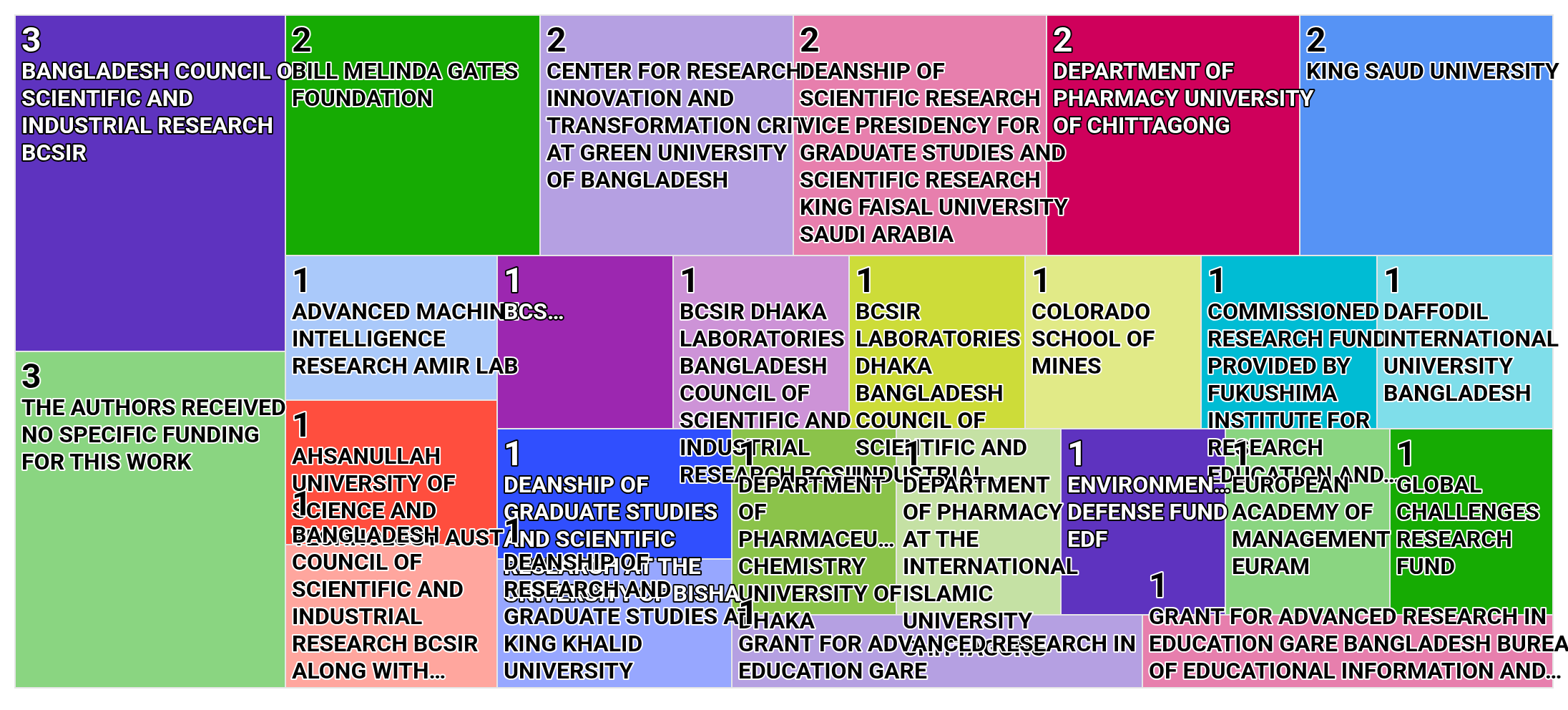
Funding Agencies:
Observations:
- UAP’s research publications show a strong concentration in health, environmental science, and engineering disciplines, suggesting these are key areas of institutional research strength.
- The high proportion of article publications (75.652%) indicates a focus on original research contributions rather than only reviews or conference-based outputs.
- International collaboration and publication through major publishers such as Wiley, Elsevier, and IEEE indicate increasing visibility of UAP research in the global academic community.
Questions:
- What strategies can further increase UAP’s high-impact publications in top-ranked journals?
- Which departments or research groups contributed most to the growth of Web of Science–indexed publications in 2025
- How can UAP expand international research partnerships to increase citation impact and global research visibility?
UAP’s 2025 Web of Science research profile reflects a growing and diversified research environment. Strengthening interdisciplinary collaboration, improving research funding, and targeting high-impact journals could further enhance the university’s global research position.