In 2024, IGCRT’s research output in Web of Science included 74 publications, dominated by Elsevier (62.16%) and Royal Society of Chemistry (21.62%) as major publishers. The research focus was multidisciplinary, led by Chemistry Multidisciplinary (28.38%) and Materials Science Multidisciplinary (22.97%). Most works were articles (94.6%), with a small number of review articles and early access papers. Bangladesh accounted for 100% of publications, though international collaboration extended to the USA, India, Australia, Saudi Arabia, South Korea, and Thailand. Authorship was concentrated, with Md Sahadat Hossain (48.65%) and Samina Ahmed (44.60%) as the most prolific contributors.
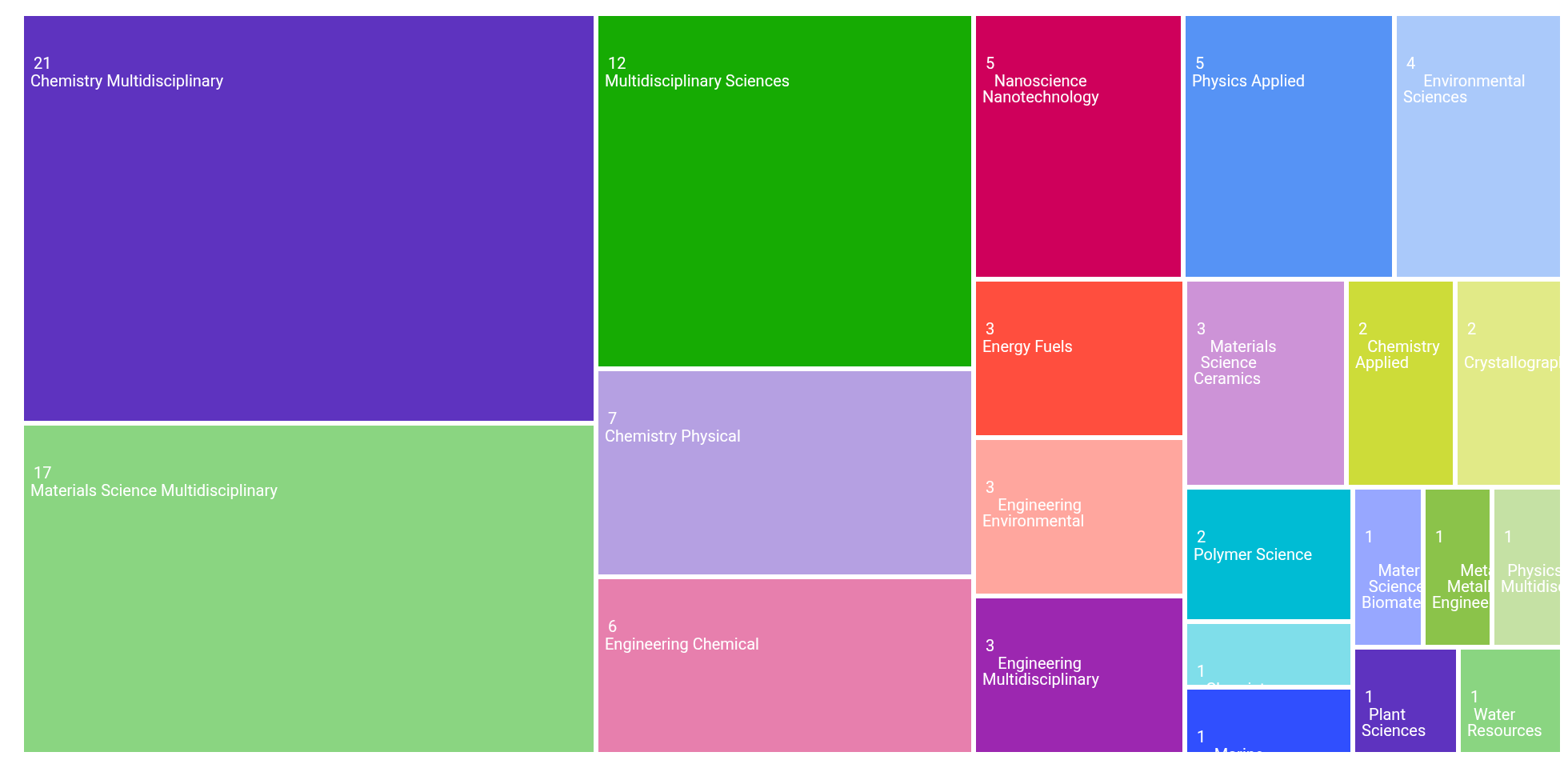
The areas of research publication categories in the TreeMap:
Research contributions in the field:
| Categories | Record Count | % of 74 |
|---|---|---|
| Chemistry Multidisciplinary | 21 | 28.378% |
| Materials Science Multidisciplinary | 17 | 22.973% |
| Multidisciplinary Sciences | 12 | 16.216% |
| Chemistry Physical | 7 | 9.459% |
| Engineering Chemical | 6 | 8.108% |
| Nanoscience Nanotechnology | 5 | 6.757% |
| Physics Applied | 5 | 6.757% |
| Environmental Sciences | 4 | 5.405% |
| Energy Fuels | 3 | 4.054% |
| Engineering Environmental | 3 | 4.054% |
| Engineering Multidisciplinary | 3 | 4.054% |
| Materials Science Ceramics | 3 | 4.054% |
| Chemistry Applied | 2 | 2.703% |
| Crystallography | 2 | 2.703% |
| Polymer Science | 2 | 2.703% |
| Chemistry Inorganic Nuclear | 1 | 1.351% |
| Marine Freshwater Biology | 1 | 1.351% |
| Materials Science Biomaterials | 1 | 1.351% |
| Metallurgy Metallurgical Engineering | 1 | 1.351% |
| Physics Multidisciplinary | 1 | 1.351% |
| Plant Sciences | 1 | 1.351% |
| Water Resources | 1 | 1.351% |
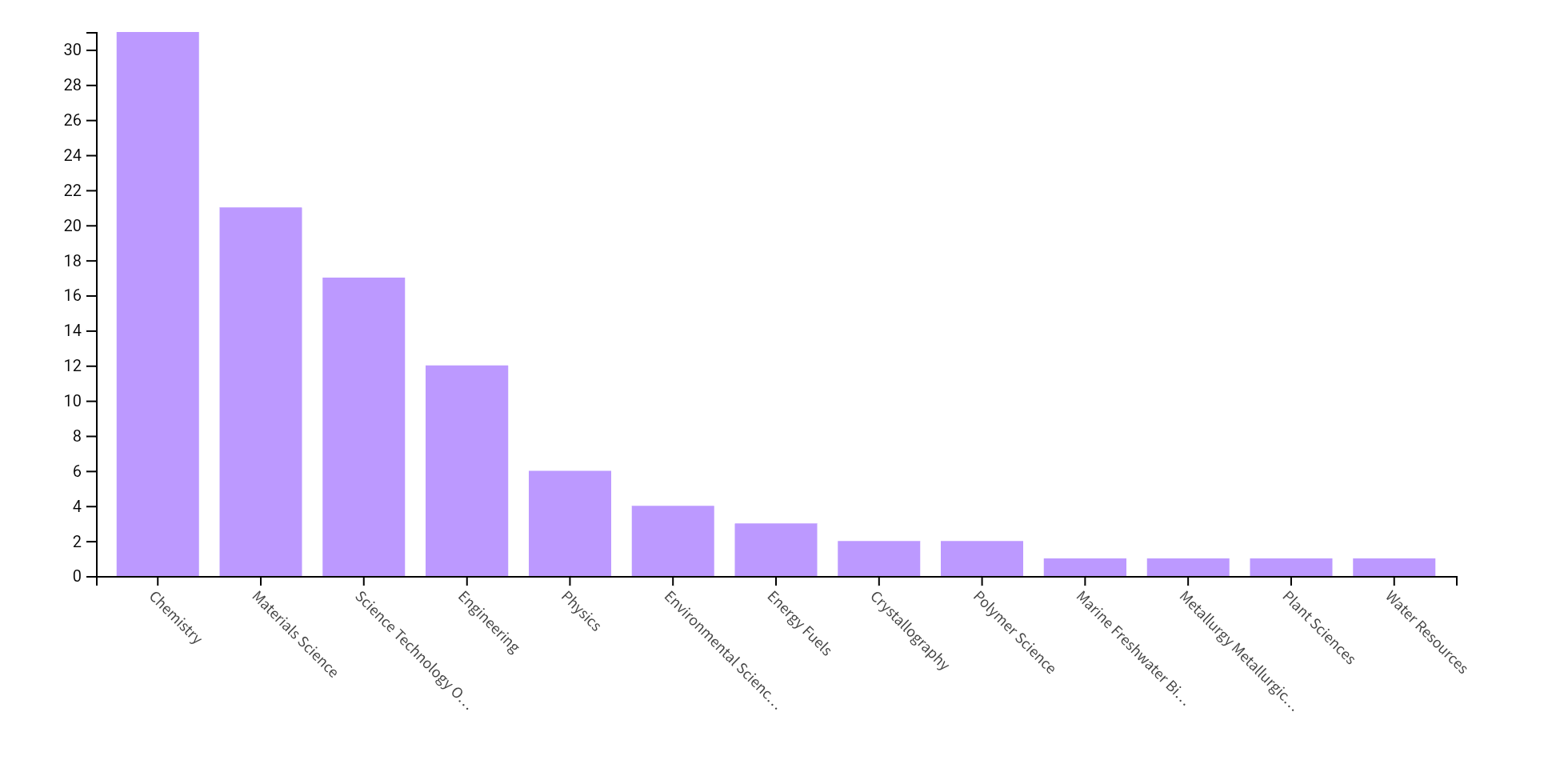
Research areas:
Types of published documents:
| Types | Record Count | % of 74 |
|---|---|---|
| Article | 70 | 94.595% |
| Review Article | 4 | 5.405% |
| Early Access | 1 | 1.351% |
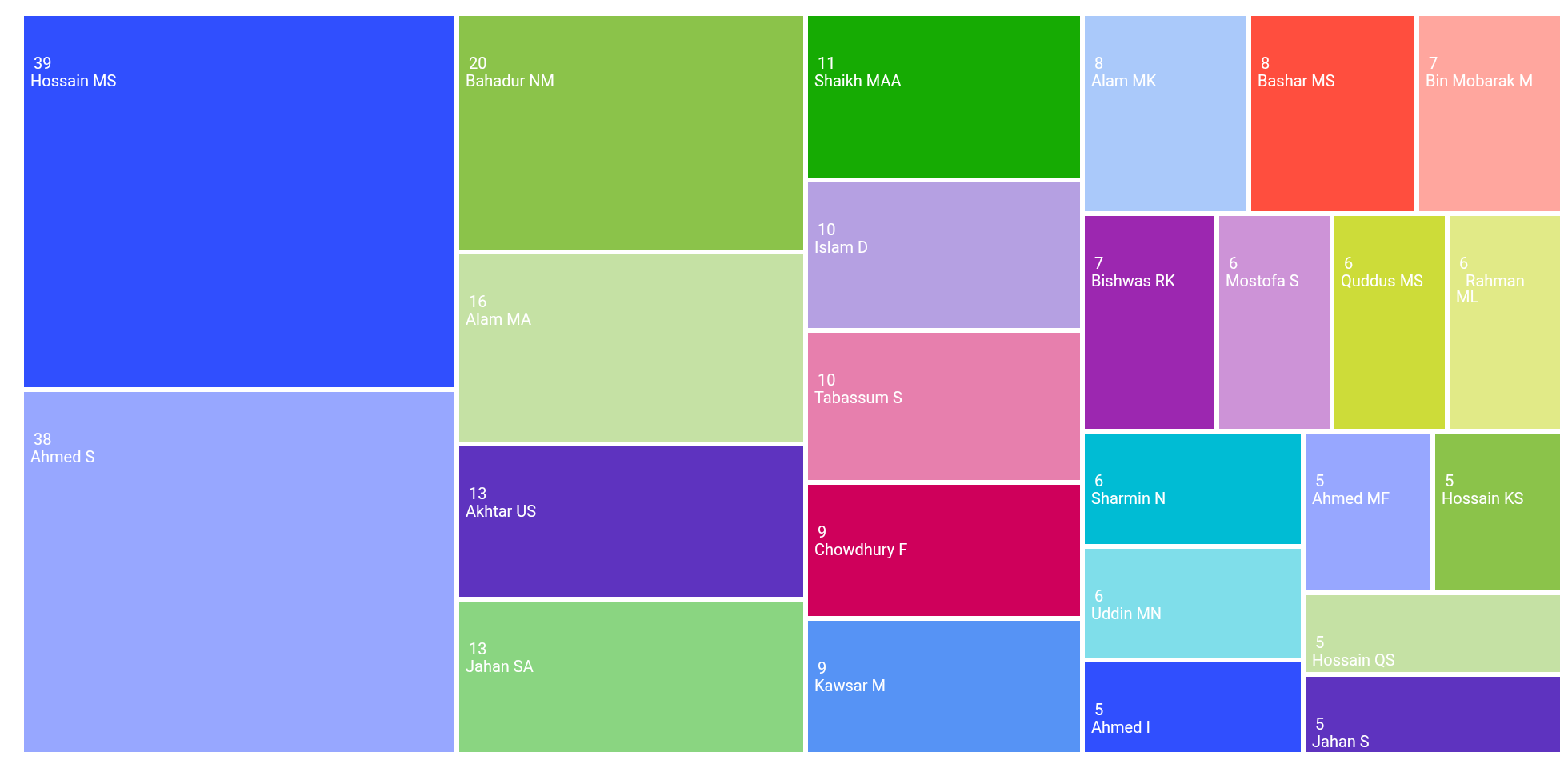
Authors’ infographic:
Researcher profiles:
| Researcher | Record Count | % of 74 |
|---|---|---|
| Hossain, Md Sahadat | 36 | 48.649% |
| Ahmed, Samina | 33 | 44.595% |
| Bahadur, Newaz Mohammed | 20 | 27.027% |
| Alam, Dr. Md. Ashraful | 15 | 20.270% |
| Akhtar, Umme Sarmeen | 13 | 17.568% |
| Jahan, Shirin Akter | 13 | 17.568% |
| Islam, Dipa | 10 | 13.514% |
| Tabassum, Sumaya | 10 | 13.514% |
| Kawsar, Md. | 9 | 12.162% |
| Shaikh, Md. Aftab Ali | 9 | 12.162% |
| Bin Mobarak, Mashrafi | 8 | 10.811% |
| Bashar, M. S. | 8 | 10.811% |
| ALAM, MK | 8 | 10.811% |
| Chowdhury, Fariha | 7 | 9.459% |
| Bishwas, Raton Kumar | 7 | 9.459% |
| Sharmin, Nahid | 6 | 8.108% |
| Quddus, Md. Saiful | 6 | 8.108% |
| Mostofa, Sabrina | 6 | 8.108% |
| Uddin, Md. Najem | 6 | 8.108% |
| Hossain, Khandker Saadat | 5 | 6.757% |
| Khan, M. N. I. | 5 | 6.757% |
| Hossain, Quazi Shafayat | 5 | 6.757% |
| Pinky, Nigar Sultana | 5 | 6.757% |
| Ahmed, Imtiaz | 5 | 6.757% |
| Ahmed, Md Farid | 5 | 6.757% |
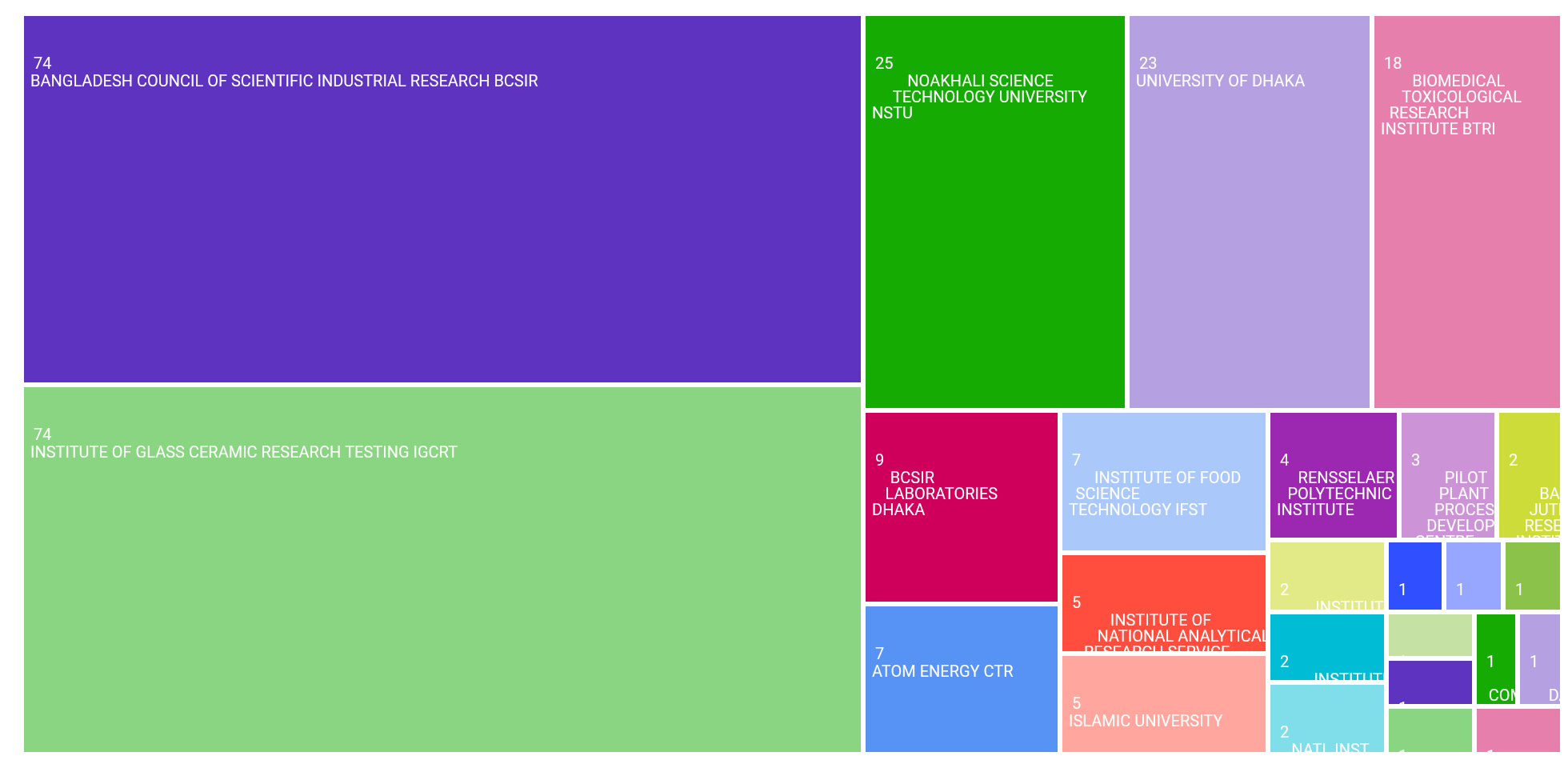
Research affiliations of IGCRT with other institutes:
Research collaboration countries:
| Countries | Record Count | % of 74 |
|---|---|---|
| Bangladesh | 74 | 100.000% |
| USA | 4 | 5.405% |
| India | 2 | 2.703% |
| Australia | 1 | 1.351% |
| Saudi Arabia | 1 | 1.351% |
| South Korea | 1 | 1.351% |
| Thailand | 1 | 1.351% |
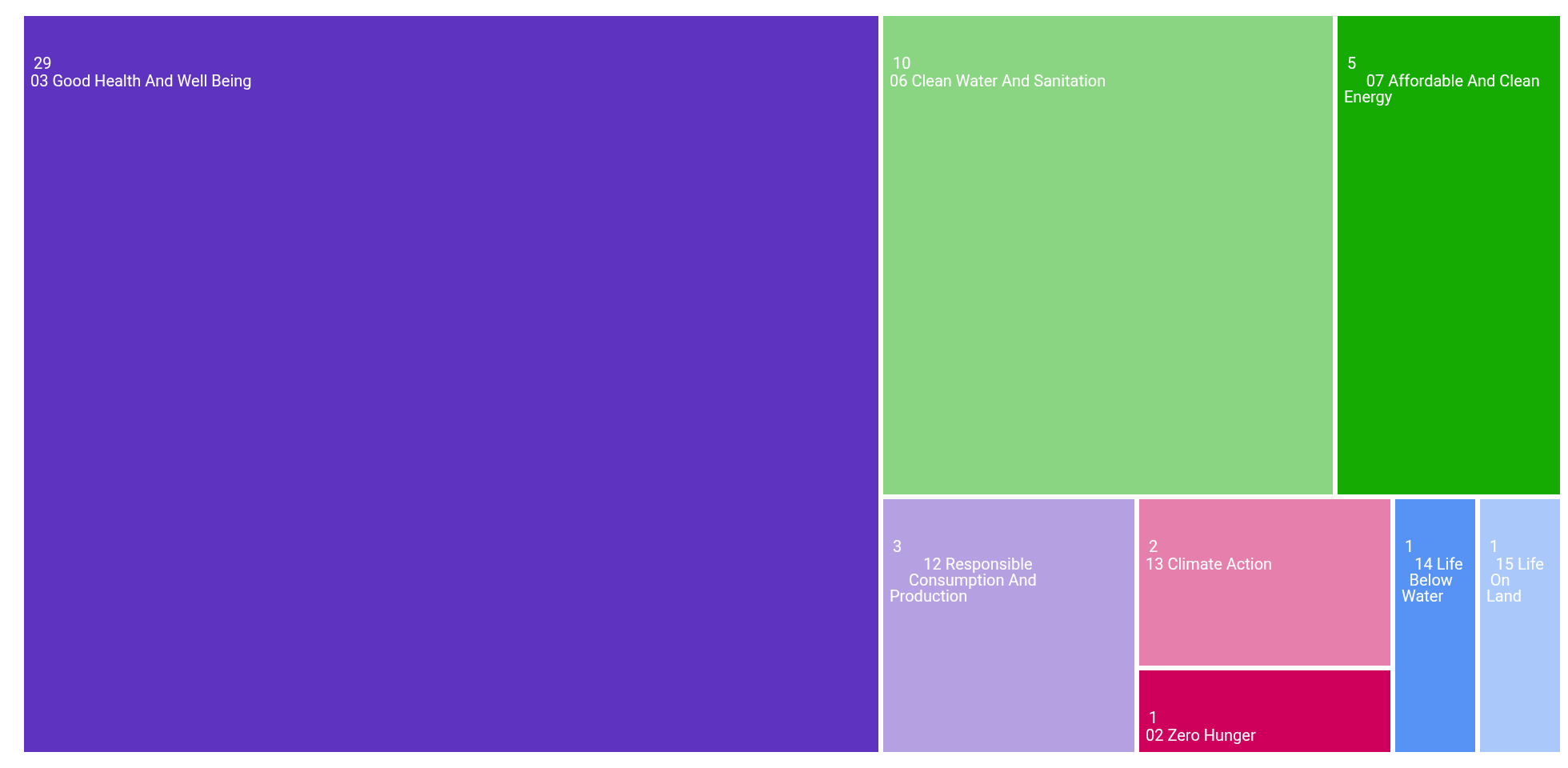
Sustainable Development Goals:
The publishers:
| Publishers | Record Count |
|---|---|
| Elsevier | 46 (62.162%) |
| Royal Soc Chemistry | 16 (21.622%) |
| Amer Chemical Soc | 5 (6.757%) |
| Springer Nature | 3 (4.054%) |
| Wiley | 2 (2.703%) |
| AIP Publishing | 1 (1.351%) |
| Horizon E-Publishing Group | 1 (1.351%) |
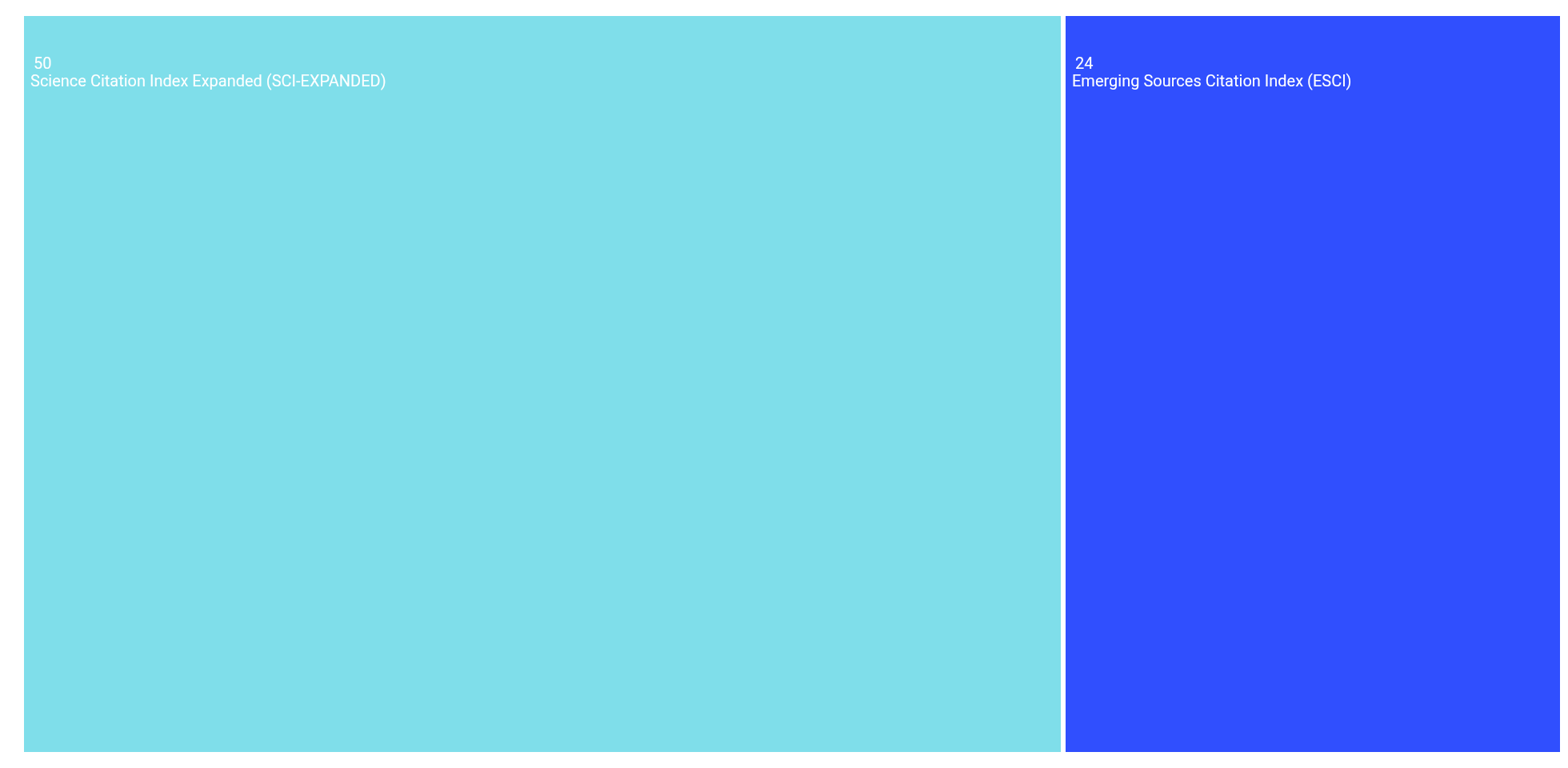
Web of Science Index:
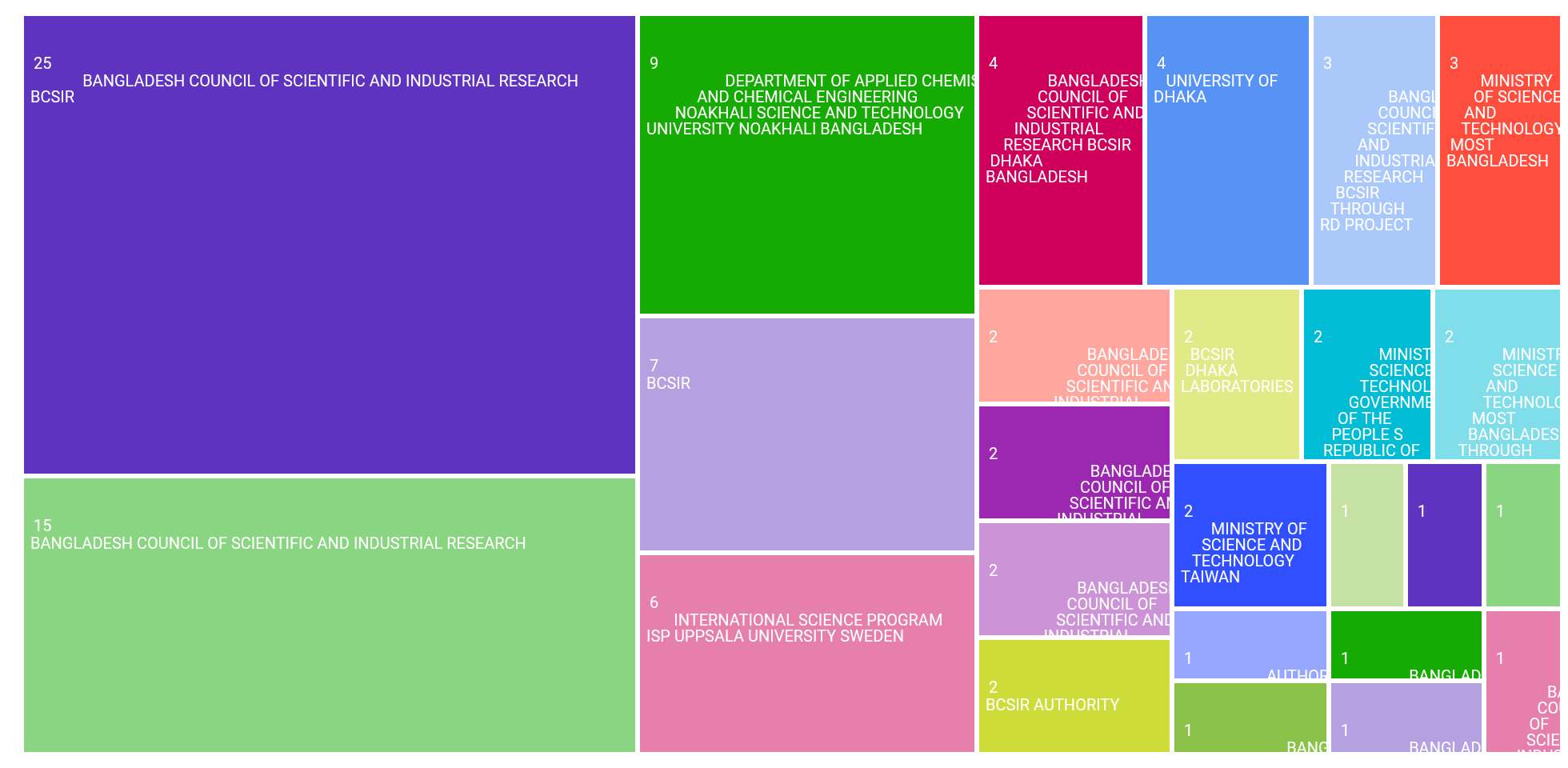
Funding Agencies:
Research highlights of IGCRT:
| Category | Count |
|---|---|
| Review Article | 4 |
| Early Access | 1 |
| Open Access | 52 |
| Enriched Cited References | 41 |
| Open Publisher-Invited Reviews | 2 |
Observations:
1. IGCRT research is highly concentrated in chemistry and materials science.
2. Publication output relies heavily on a few leading researchers.
3. Elsevier and RSC dominate as preferred publication platforms.
Questions:
1. How sustainable is IGCRT’s reliance on a few key researchers for high output?
2. What strategies could diversify publication across broader scientific fields?
3. How can IGCRT strengthen international collaborations beyond current limited partners?
IGCRT shows impressive productivity and concentration in core scientific fields, but diversification of research areas and broader global collaboration could enhance its impact further.