
In 2025, Gopalgonj Science and Technology University demonstrated a strong research presence in Web of Science indexed journals with a total of 264 publications, predominantly in the form of articles (74.62%) and review papers (22.73%). The publication output is heavily concentrated among major global publishers such as Elsevier, Wiley, and Springer Nature, indicating alignment with high-impact academic platforms. International collaboration is notable, especially with countries like Saudi Arabia, the USA, and South Korea, reflecting growing global research engagement. The university’s research is largely focused on multidisciplinary chemistry, food science, materials science, and pharmacology, highlighting a strong emphasis on applied and life sciences. A small group of researchers contributed significantly to the total output, suggesting concentrated research productivity within key individuals. Web of Science
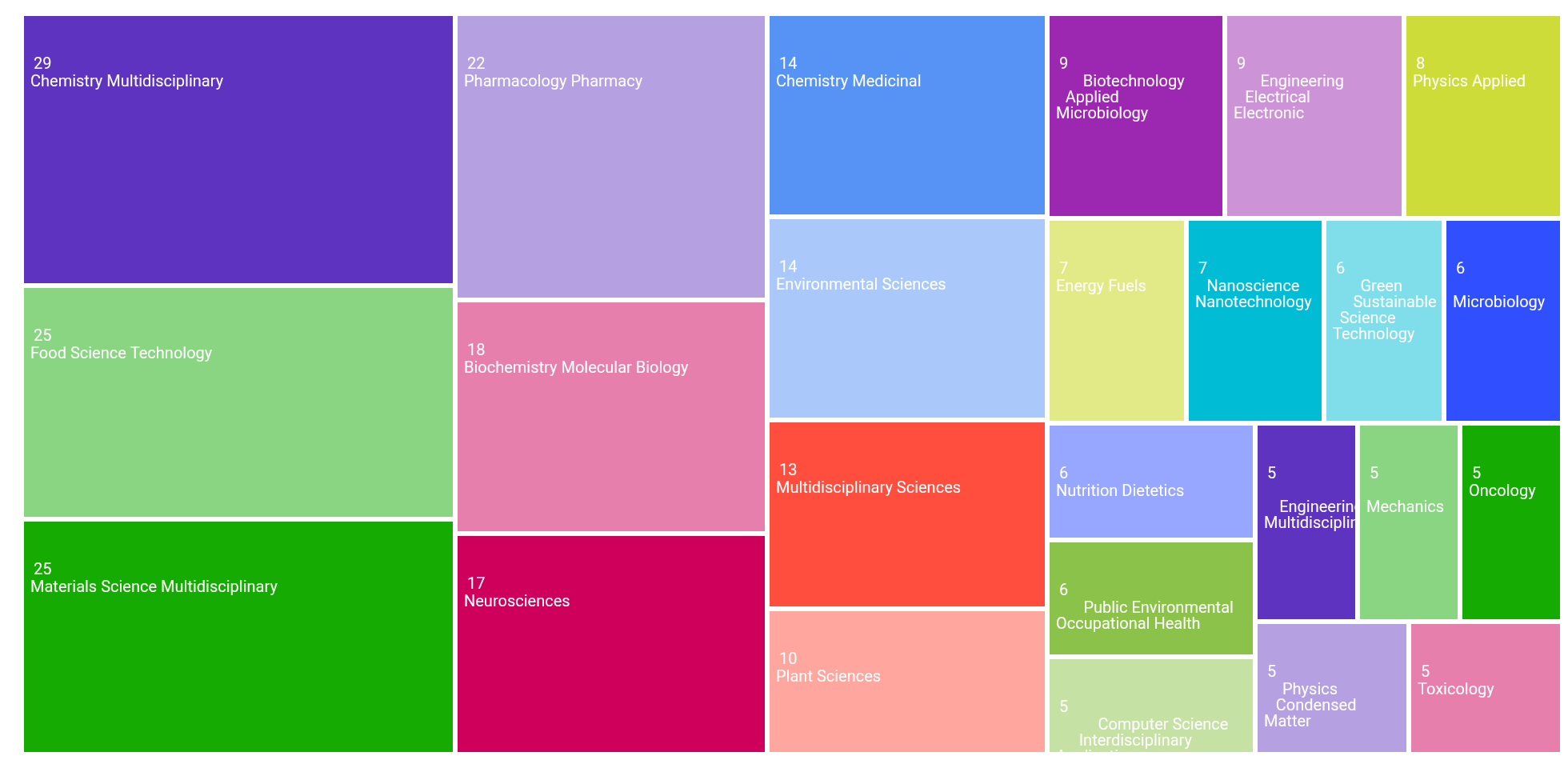
The areas of research publication categories in the TreeMap:
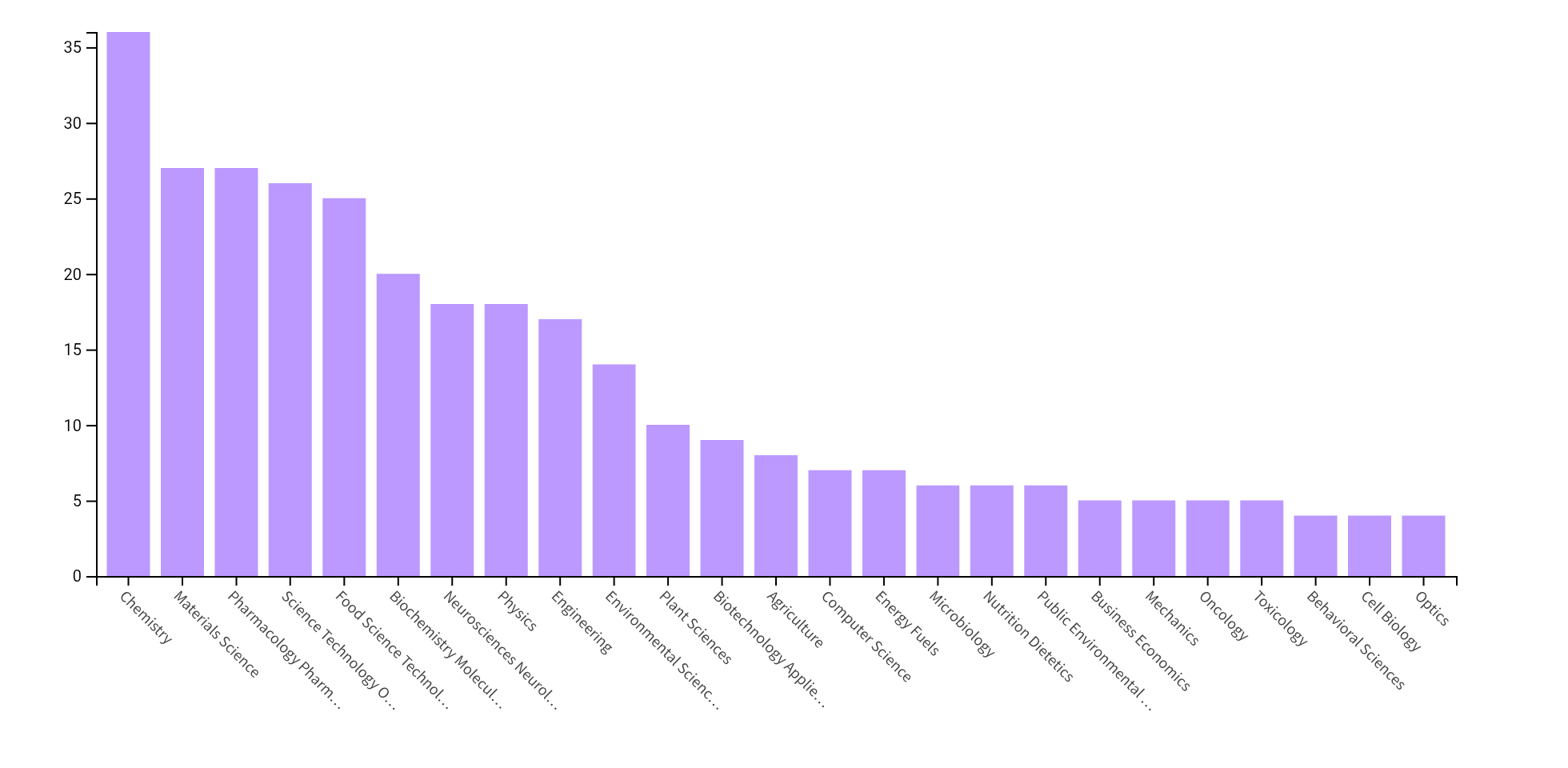
Research contributions in the field:
| Category | Record Count | % of 264 |
|---|---|---|
| Chemistry Multidisciplinary | 29 | 10.985% |
| Food Science Technology | 25 | 9.470% |
| Materials Science Multidisciplinary | 25 | 9.470% |
| Pharmacology Pharmacy | 22 | 8.333% |
| Biochemistry Molecular Biology | 18 | 6.818% |
| Neurosciences | 17 | 6.439% |
| Chemistry Medicinal | 14 | 5.303% |
| Environmental Sciences | 14 | 5.303% |
| Multidisciplinary Sciences | 13 | 4.924% |
| Plant Sciences | 10 | 3.788% |
| Biotechnology Applied Microbiology | 9 | 3.409% |
| Engineering Electrical Electronic | 9 | 3.409% |
| Physics Applied | 8 | 3.030% |
| Energy Fuels | 7 | 2.652% |
| Nanoscience Nanotechnology | 7 | 2.652% |
| Green Sustainable Science Technology | 6 | 2.273% |
| Microbiology | 6 | 2.273% |
| Nutrition Dietetics | 6 | 2.273% |
| Public Environmental Occupational Health | 6 | 2.273% |
| Computer Science Interdisciplinary Applications | 5 | 1.894% |
| Engineering Multidisciplinary | 5 | 1.894% |
| Mechanics | 5 | 1.894% |
| Oncology | 5 | 1.894% |
| Physics Condensed Matter | 5 | 1.894% |
| Toxicology | 5 | 1.894% |
Research areas:
Types of published documents:
| Type | Record Count | % of 264 |
|---|---|---|
| Article | 197 | 74.621% |
| Review Article | 60 | 22.727% |
| Letter | 3 | 1.136% |
| Proceeding Paper | 2 | 0.758% |
| Correction | 1 | 0.379% |
| Editorial Material | 1 | 0.379% |
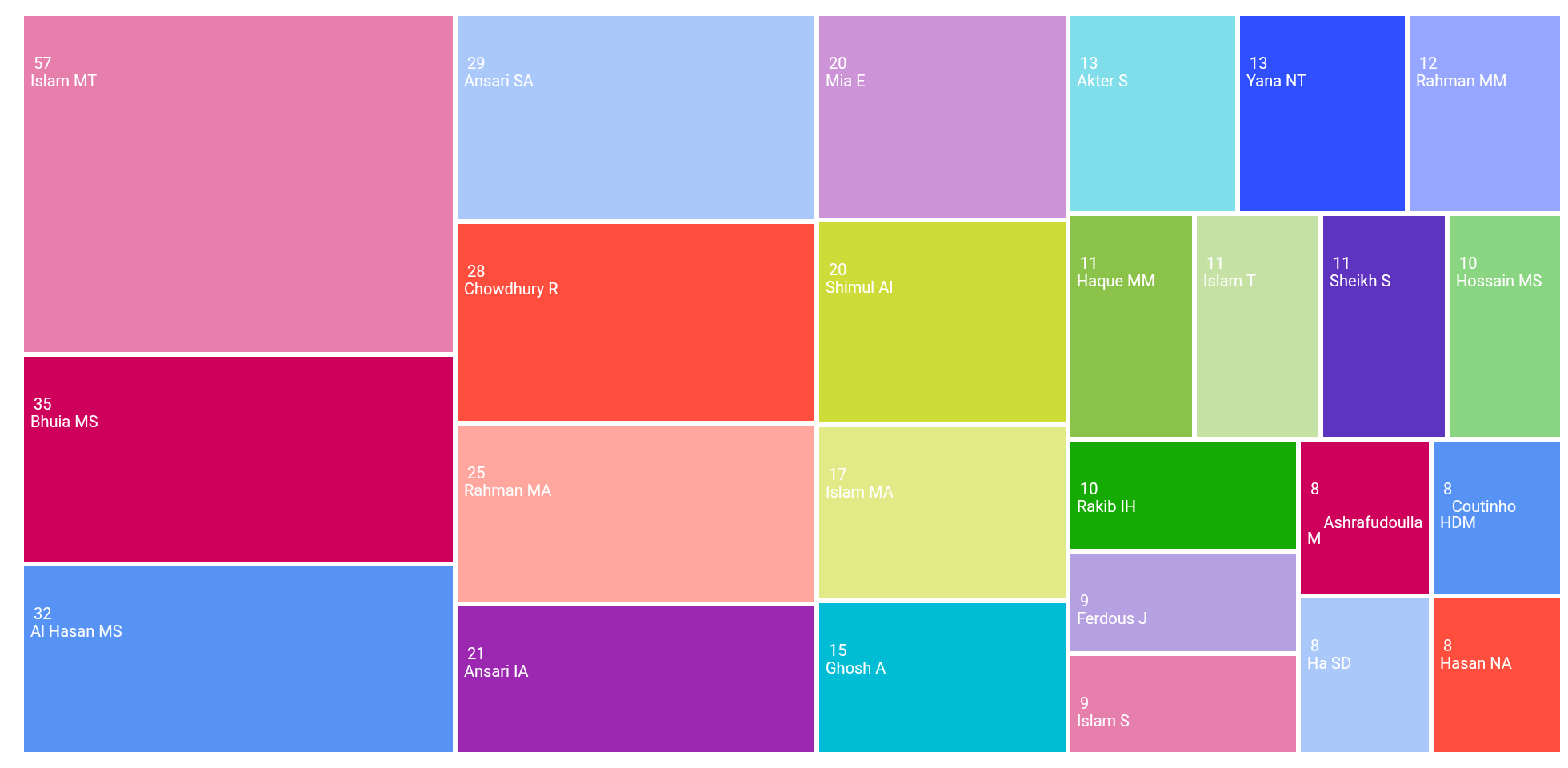
Authors’ infographic (Top 25):
Researcher profiles (Top 25):
| Researchers | Record Count | % of 264 |
|---|---|---|
| Ansari, Siddique Akber | 37 | 14.015% |
| Bhuia, Md. Shimul | 37 | 14.015% |
| Chowdhuury, Raihan | 28 | 10.606% |
| Al Hasan, Md. Sakib | 22 | 8.333% |
| Islam, Muhammad Torequl | 22 | 8.333% |
| Ansari, Irfan Aamer | 21 | 7.955% |
| Shimul, Asadul Islam | 21 | 7.955% |
| Mia, Emon | 20 | 7.576% |
| Ghosh, Avijit | 15 | 5.682% |
| Islam, Muhammad Torequl | 14 | 5.303% |
| Yana, Noshin Tasnim | 13 | 4.924% |
| Rakib, Imam Hossen | 10 | 3.788% |
| Akter, Shirin | 10 | 3.788% |
| Coutinho, Henrique DM | 8 | 3.030% |
| Ha, Sang-Do | 8 | 3.030% |
| RAHMAN, MD. ASHIKUR | 8 | 3.030% |
| Neaz Al Hasan | 8 | 3.030% |
| Ashrafudoulla, Md. | 8 | 3.030% |
| Hasan, Rubel | 8 | 3.030% |
| Ferdous, Jannatul | 8 | 3.030% |
| Haque, Mohammad Mahfujul | 8 | 3.030% |
| Islam, Md. Torequl | 7 | 2.652% |
| KAMLI, HOSSAM | 7 | 2.652% |
| Bappi, Mehedi Hasan | 7 | 2.652% |
| Islam, Md. Amirul | 7 | 2.652% |
Research-affiliated institutes:
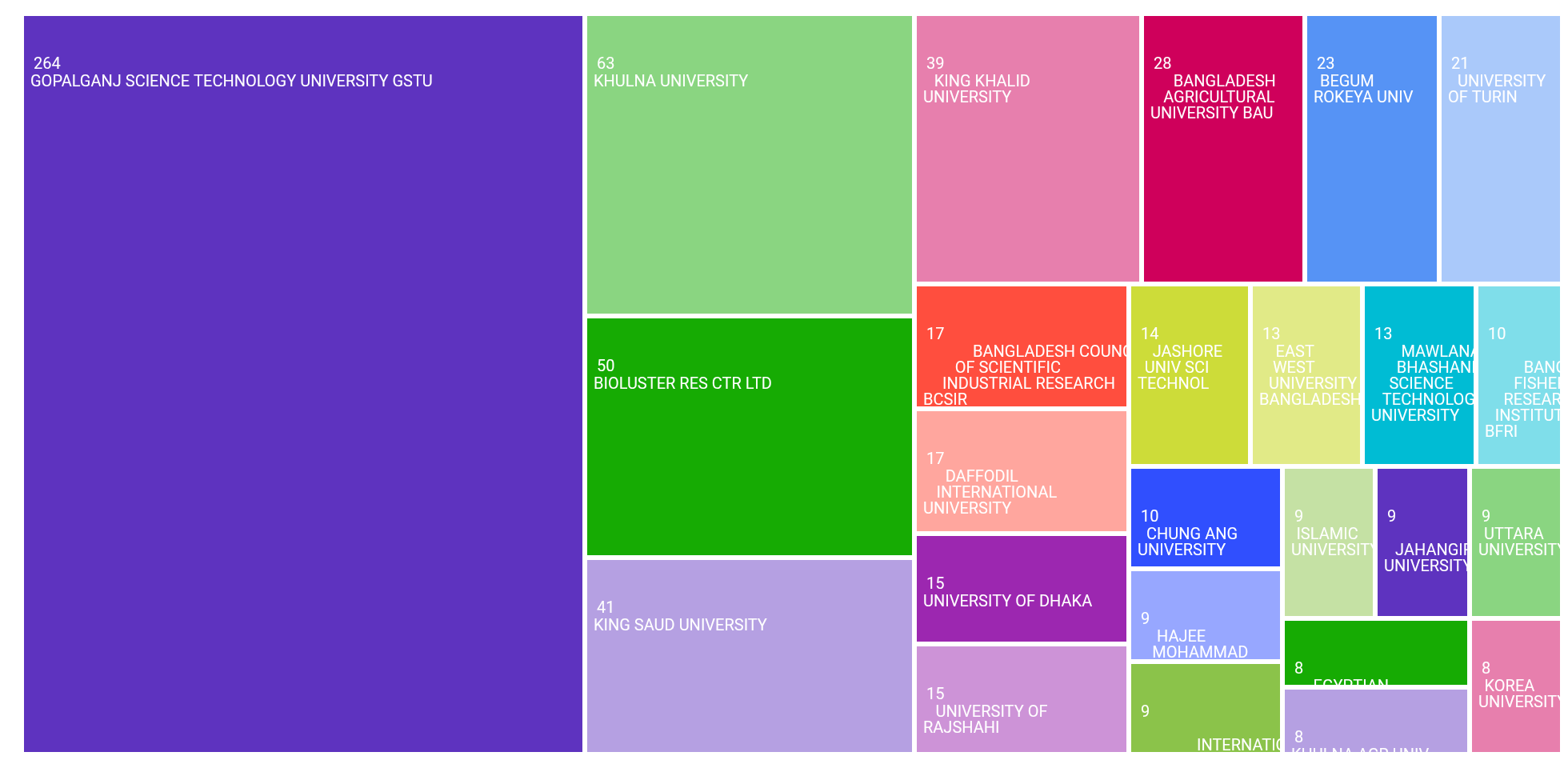
Research collaboration countries:
| Country/Region | Record Count | % of 264 |
|---|---|---|
| BANGLADESH | 264 | 100.000% |
| SAUDI ARABIA | 84 | 31.818% |
| USA | 60 | 22.727% |
| SOUTH KOREA | 40 | 15.152% |
| ITALY | 25 | 9.470% |
| PEOPLES R CHINA | 24 | 9.091% |
| MALAYSIA | 14 | 5.303% |
| BRAZIL | 12 | 4.545% |
| INDIA | 12 | 4.545% |
| EGYPT | 11 | 4.167% |
| JAPAN | 11 | 4.167% |
| ENGLAND | 10 | 3.788% |
| AUSTRALIA | 8 | 3.030% |
| JORDAN | 8 | 3.030% |
| ECUADOR | 4 | 1.515% |
| MEXICO | 4 | 1.515% |
| PORTUGAL | 4 | 1.515% |
| SOMALIA | 4 | 1.515% |
| THAILAND | 4 | 1.515% |
| CANADA | 3 | 1.136% |
| CZECH REPUBLIC | 3 | 1.136% |
| PHILIPPINES | 3 | 1.136% |
| ALGERIA | 2 | 0.758% |
| DENMARK | 2 | 0.758% |
| NETHERLANDS | 2 | 0.758% |
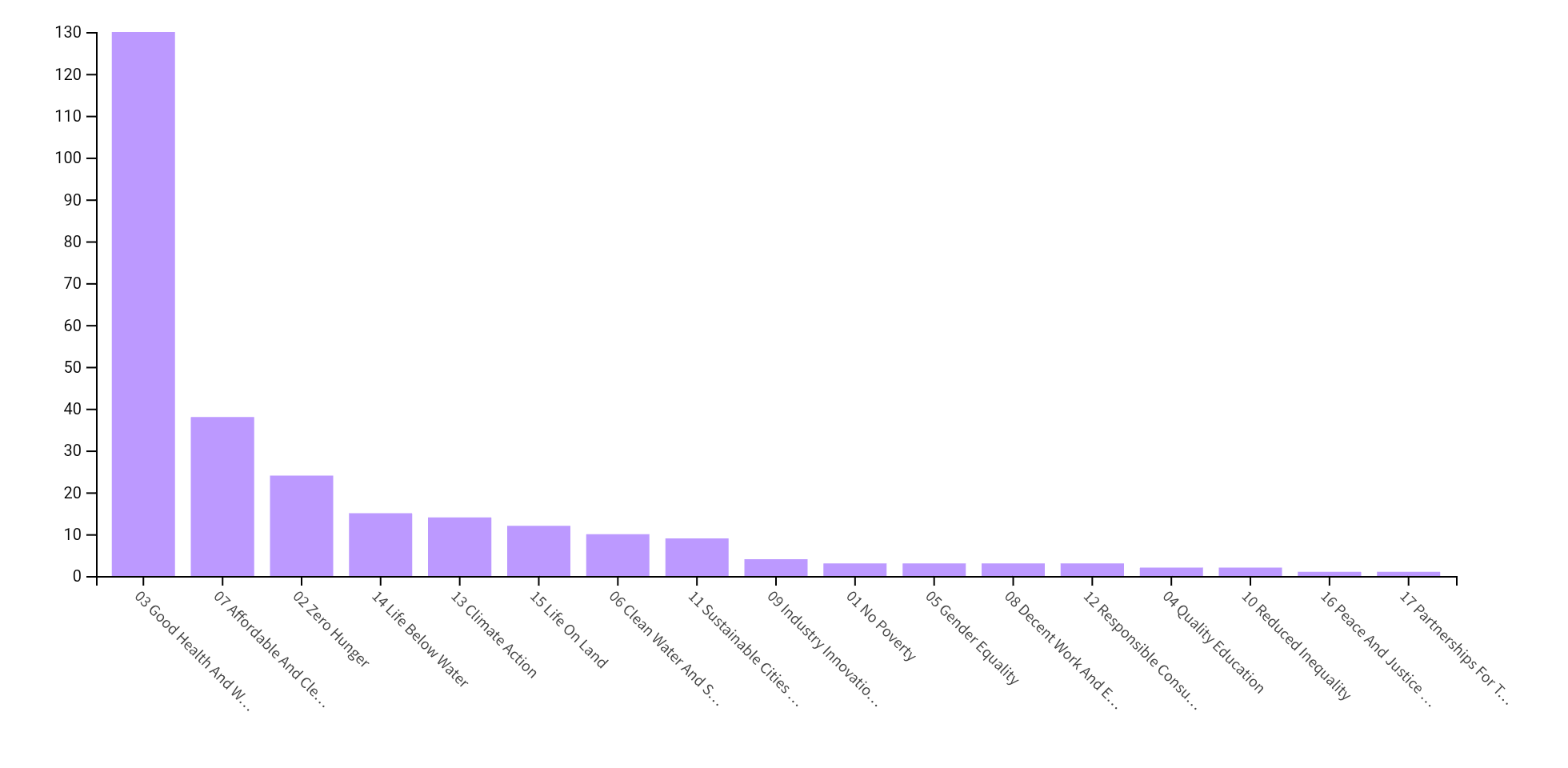
Sustainable Development Goals:
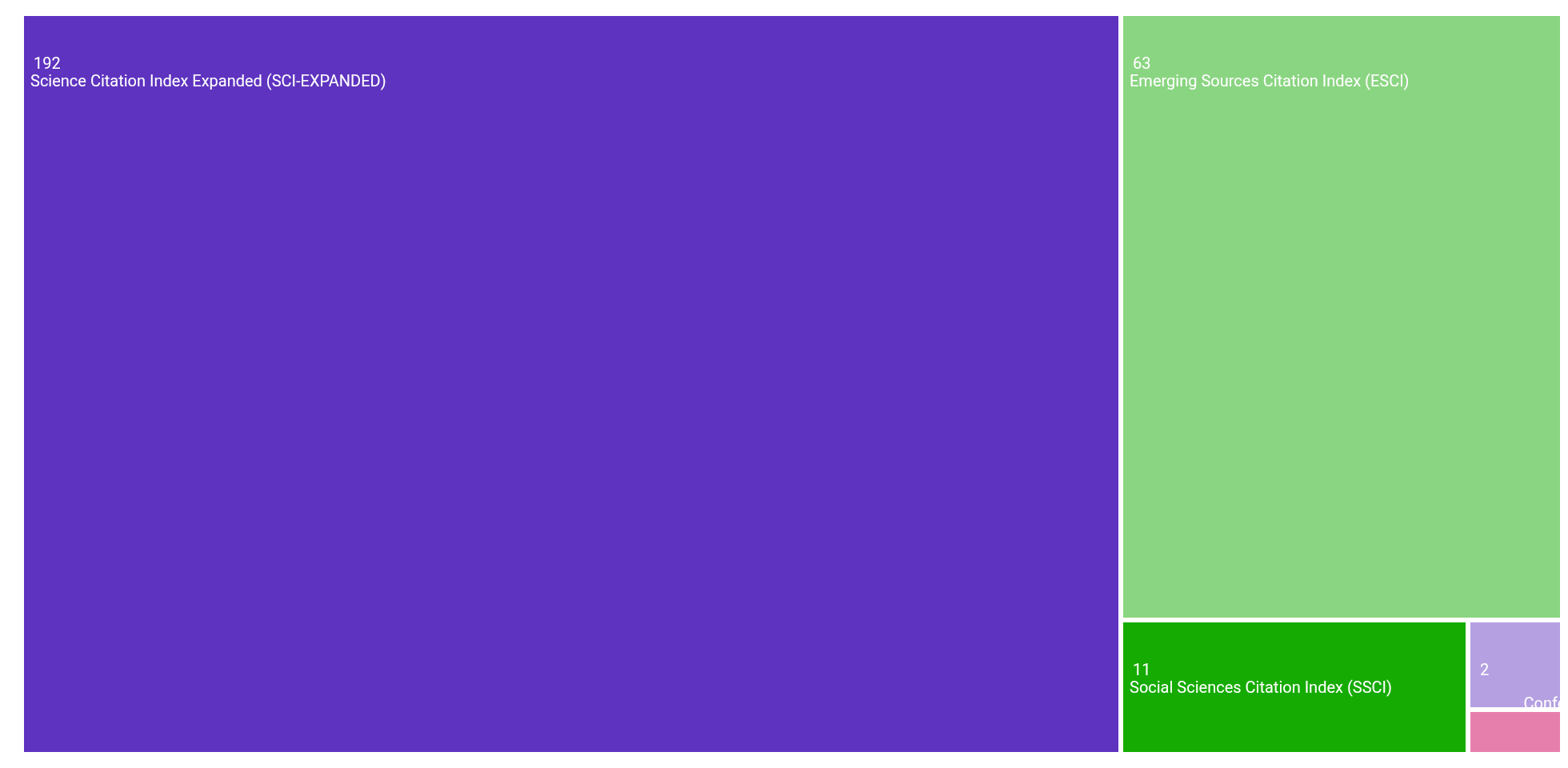
Web of Science Index:
Research highlights of GSTU:
| Category | Count |
|---|---|
| Review Article | 60 |
| Open Access | 149 |
| Enriched Cited References | 137 |
| Open Publisher-Invited Reviews | 12 |
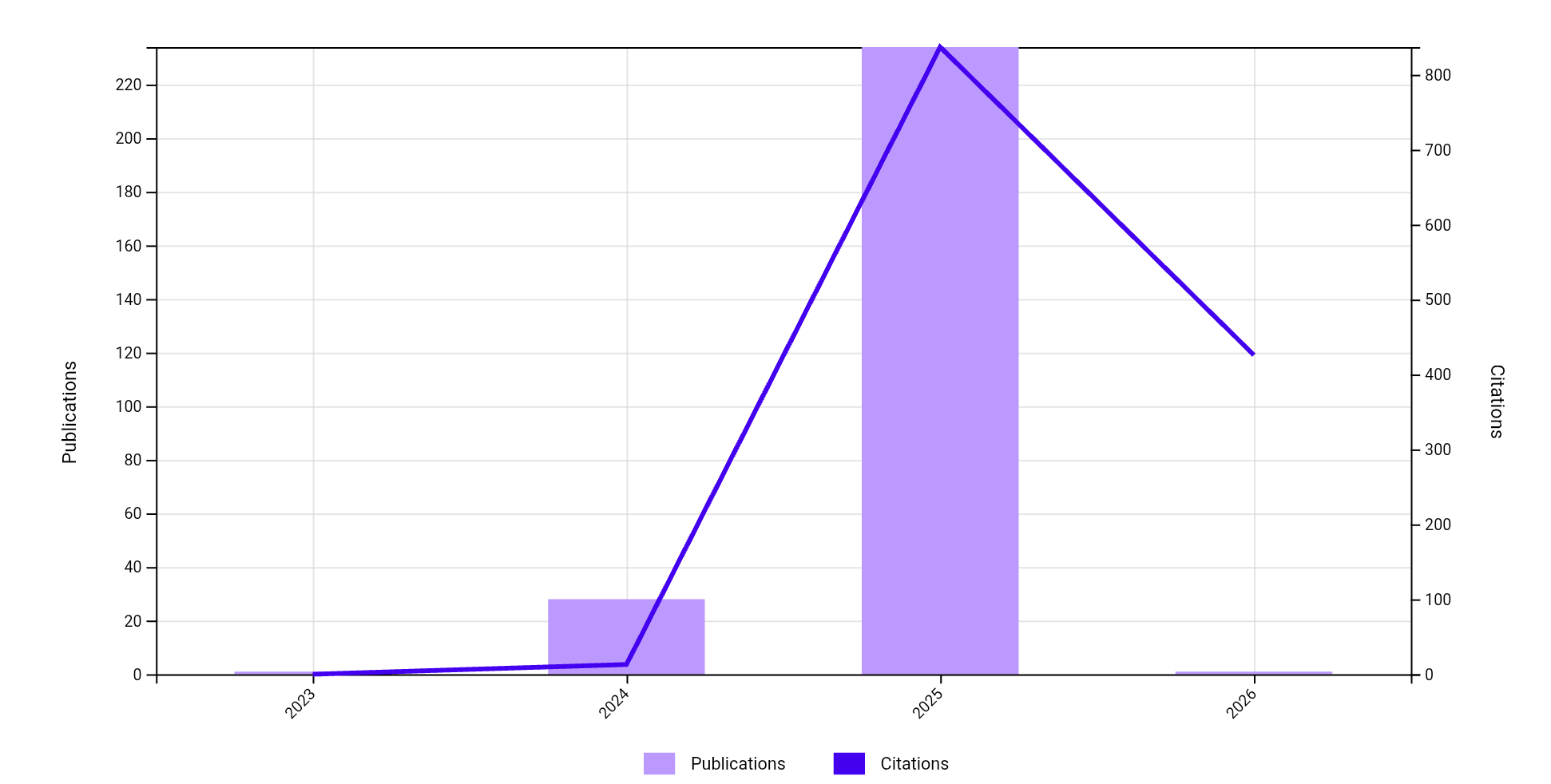
Citation Index:
Publishers:
| Publisher | Record Count | % of 264 |
|---|---|---|
| Elsevier | 67 | 25.379% |
| Wiley | 61 | 23.106% |
| Springer Nature | 37 | 14.015% |
| Mdpi | 14 | 5.303% |
| Royal Soc Chemistry | 14 | 5.303% |
| NATURE PORTFOLIO | 10 | 3.788% |
| Taylor & Francis | 10 | 3.788% |
| Humana Press Inc | 7 | 2.652% |
| Sage | 5 | 1.894% |
| Frontiers Media Sa | 4 | 1.515% |
| AIP Publishing | 3 | 1.136% |
| Keai Publishing Ltd | 3 | 1.136% |
| Amer Chemical Soc | 2 | 0.758% |
| Amer Soc Microbiology | 2 | 0.758% |
| Emerald Group Publishing | 2 | 0.758% |
| IEEE | 2 | 0.758% |
| Iop Publishing Ltd | 2 | 0.758% |
| Network Veterinarians Bangladesh | 2 | 0.758% |
| Public Library Science | 2 | 0.758% |
| SPRINGER INT PUBL AG | 2 | 0.758% |
| Tech Science Press | 2 | 0.758% |
| World Scientific | 2 | 0.758% |
| Amer Soc Mechanical Engineers | 1 | 0.379% |
| Csiro Publishing | 1 | 0.379% |
| Iran Univ Sci & Technol | 1 | 0.379% |
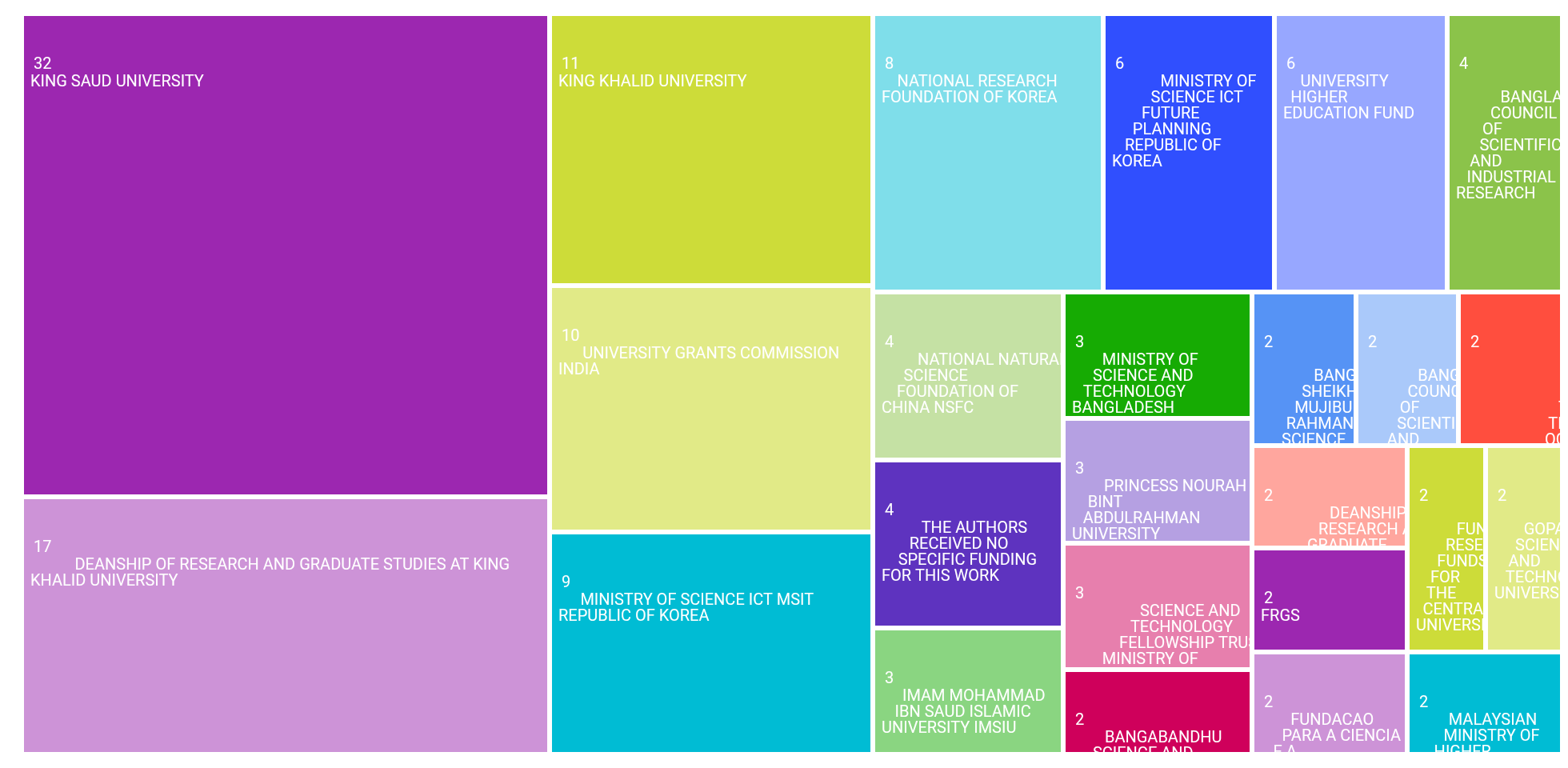
Funding Agencies:
Observations:
- A significant majority of publications are original research articles, showing strong primary research activity.
- Collaboration with international partners, particularly Saudi Arabia and the USA, is substantial.
- Research is highly concentrated in chemistry and life science-related disciplines.
Questions:
- Why is research output concentrated among a limited number of researchers?
- How can the university increase contributions from underrepresented disciplines?
- What strategies can further strengthen international research collaborations?
The university shows promising growth in research output and international collaboration, but broader participation and diversification across disciplines could further enhance its global academic impact.