

The areas of research publication categories in the TreeMap:
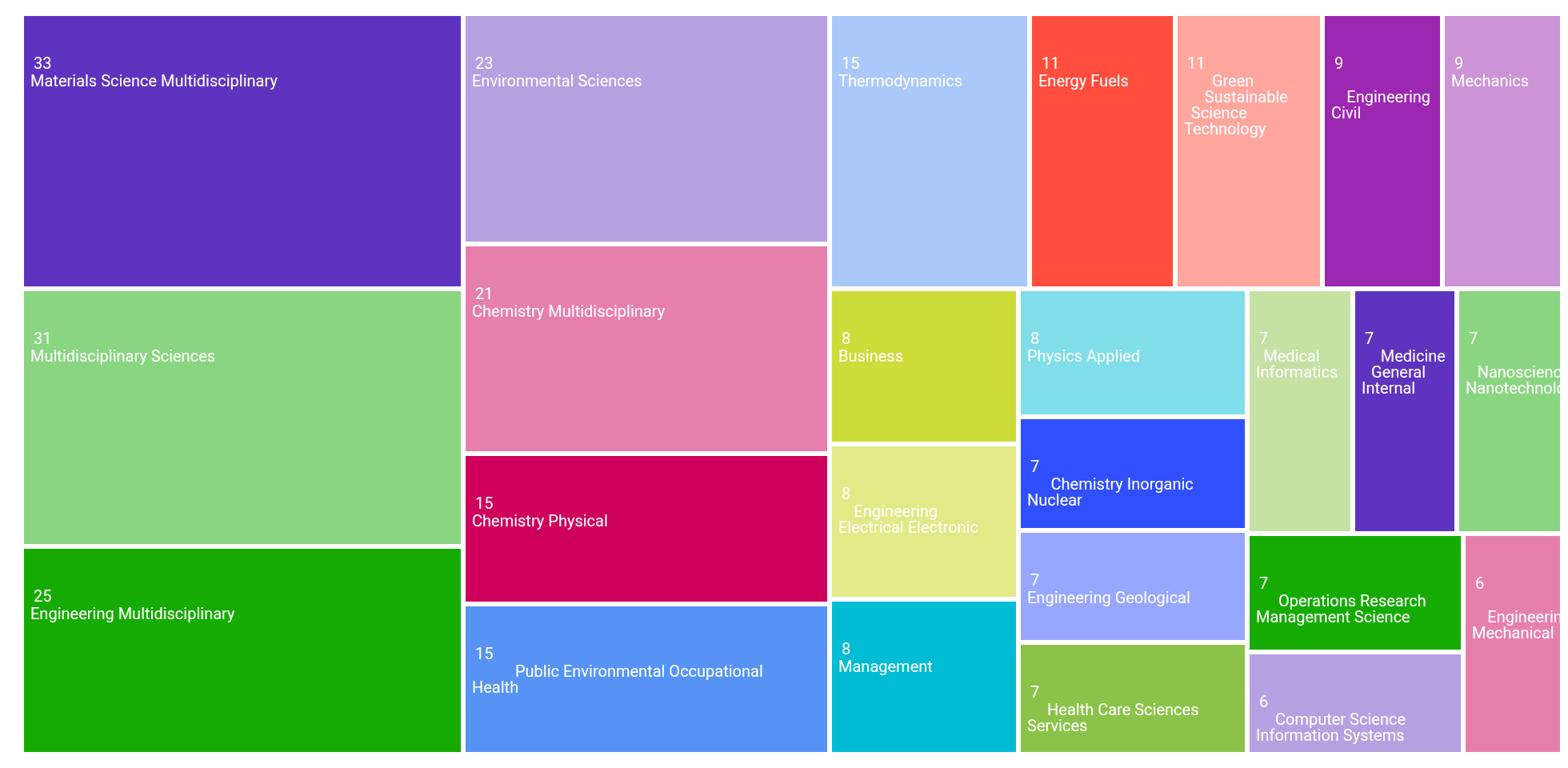
Research contributions in the field:
| Categories | Record Count | % of 330 |
|---|---|---|
| Materials Science Multidisciplinary | 33 | 10.000% |
| Multidisciplinary Sciences | 31 | 9.394% |
| Engineering Multidisciplinary | 25 | 7.576% |
| Environmental Sciences | 23 | 6.970% |
| Chemistry Multidisciplinary | 21 | 6.364% |
| Chemistry Physical | 15 | 4.545% |
| Public Environmental Occupational Health | 15 | 4.545% |
| Thermodynamics | 15 | 4.545% |
| Energy Fuels | 11 | 3.333% |
| Green Sustainable Science Technology | 11 | 3.333% |
| Engineering Civil | 9 | 2.727% |
| Mechanics | 9 | 2.727% |
| Business | 8 | 2.424% |
| Engineering Electrical Electronic | 8 | 2.424% |
| Management | 8 | 2.424% |
| Physics Applied | 8 | 2.424% |
| Chemistry Inorganic Nuclear | 7 | 2.121% |
| Engineering Geological | 7 | 2.121% |
| Health Care Sciences Services | 7 | 2.121% |
| Medical Informatics | 7 | 2.121% |
| Medicine General Internal | 7 | 2.121% |
| Nanoscience Nanotechnology | 7 | 2.121% |
| Operations Research Management Science | 7 | 2.121% |
| Computer Science Information Systems | 6 | 1.818% |
| Engineering Mechanical | 6 | 1.818% |
Research areas:
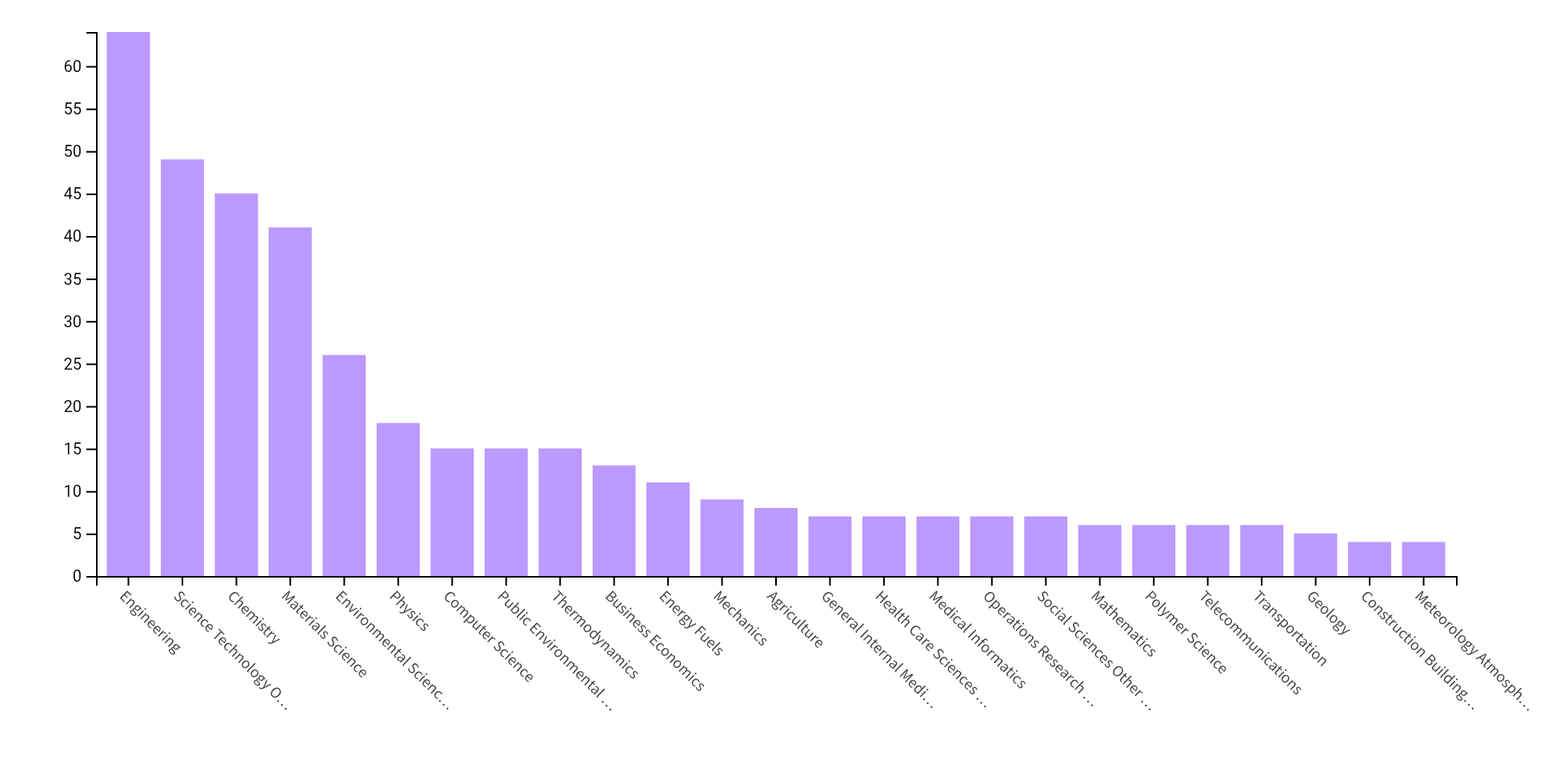
Types of published documents:
| Types | Record Count | % of 330 |
|---|---|---|
| Article | 269 | 81.515% |
| Review Article | 54 | 16.364% |
| Correction | 4 | 1.212% |
| Proceeding Paper | 2 | 0.606% |
| Editorial Material | 1 | 0.303% |
Authors’ infographic (Top 25):
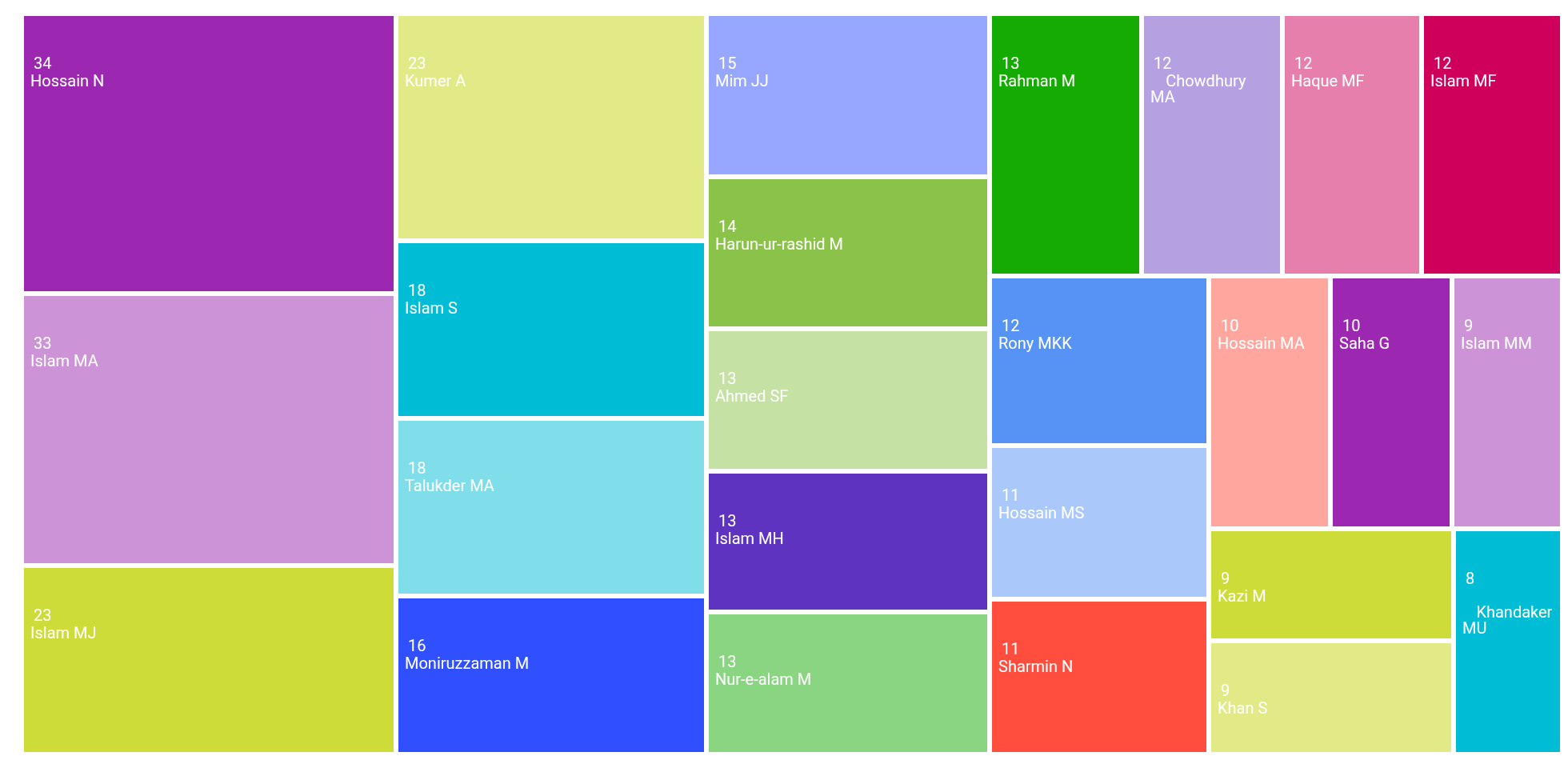
Researcher profiles (Top 25):
| Researchers | Record Count | % of 330 |
|---|---|---|
| Hossain, Nayem | 33 | 10.000% |
| Kumer, Ajoy | 23 | 6.970% |
| Islam, Md. Jahidul | 21 | 6.364% |
| Talukder, Md. Alamin | 18 | 5.455% |
| Mim, JuhiJannat | 15 | 4.545% |
| Harun-Ur-Rashid, Mohammad | 14 | 4.242% |
| Haque, Md. Foisal | 13 | 3.939% |
| Moniruzzaman, Md | 13 | 3.939% |
| Chowdhury, Mohammad Asaduzzaman | 12 | 3.636% |
| Rony, Moustaq Karim Khan | 12 | 3.636% |
| Nur-E-Alam, Mohammad | 12 | 3.636% |
| Ahmed, Shams Forruque | 11 | 3.333% |
| Islam, Mohammad Fakhrul | 11 | 3.333% |
| Islam, Md. Hafizul | 11 | 3.333% |
| Islam, Md Aminul | 11 | 3.333% |
| Sharmin, Naima | 10 | 3.030% |
| Dhaka, University of | 10 | 3.030% |
| Islam, Mohammad Aminul | 9 | 2.727% |
| Kazi, Mohsin | 9 | 2.727% |
| Khan, Safiullah | 8 | 2.424% |
| Khandaker, Mayeen Uddin | 8 | 2.424% |
| Pachauri, Rupendra Kumar | 7 | 2.121% |
| Alrazeeni, daifallah | 7 | 2.121% |
| Saha, Sajal | 7 | 2.121% |
| Al-Bawri, Samir Salem | 7 | 2.121% |
Research-affiliated institutes:
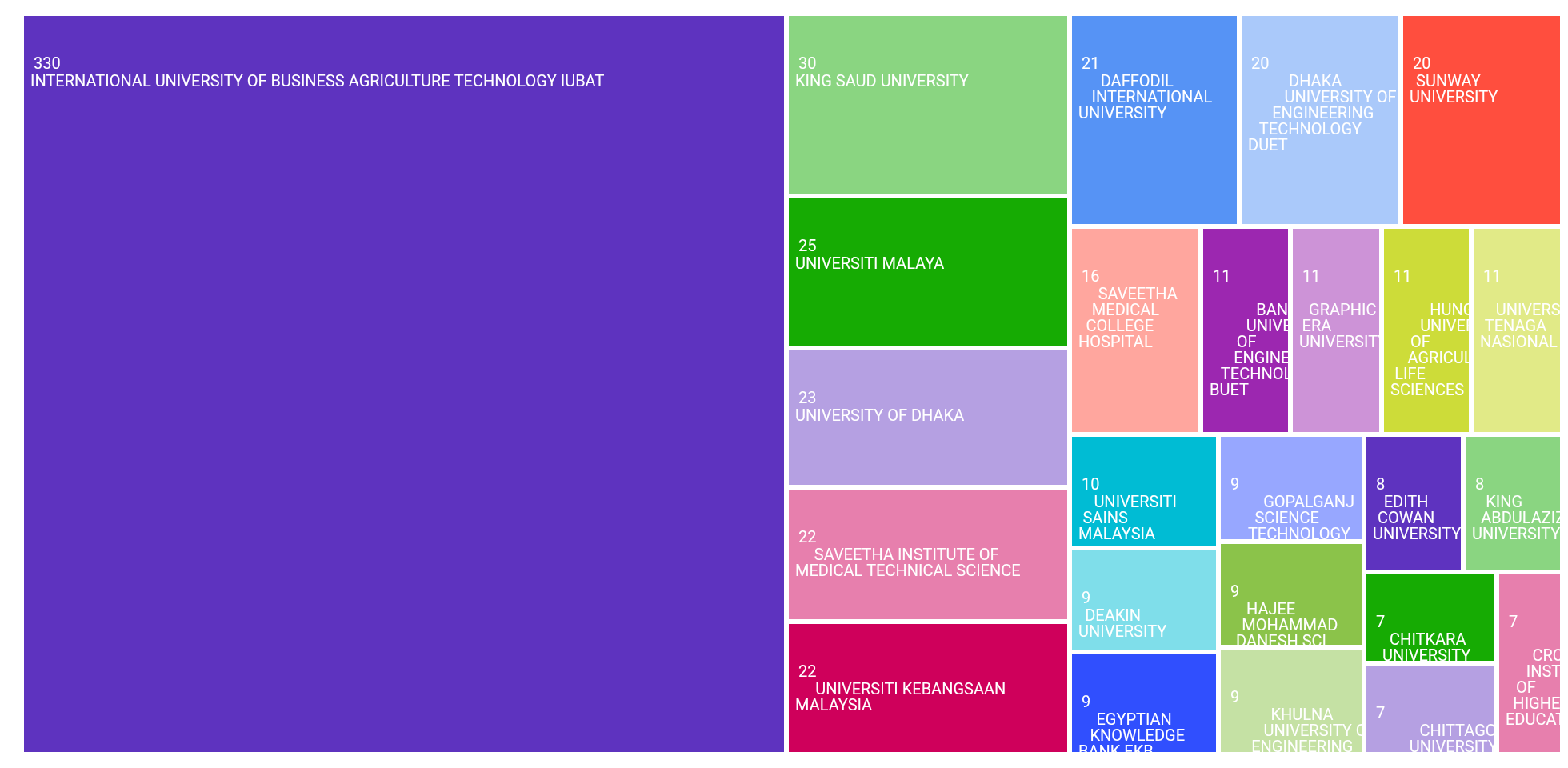
Research collaboration countries:
| Countries/Regions | Record Count | % of 330 |
|---|---|---|
| BANGLADESH | 330 | 100.000% |
| MALAYSIA | 80 | 24.242% |
| SAUDI ARABIA | 70 | 21.212% |
| INDIA | 53 | 16.061% |
| PEOPLES R CHINA | 46 | 13.939% |
| USA | 43 | 13.030% |
| AUSTRALIA | 41 | 12.424% |
| SOUTH KOREA | 21 | 6.364% |
| HUNGARY | 14 | 4.242% |
| JAPAN | 12 | 3.636% |
| ENGLAND | 10 | 3.030% |
| PAKISTAN | 10 | 3.030% |
| THAILAND | 10 | 3.030% |
| EGYPT | 9 | 2.727% |
| NORWAY | 9 | 2.727% |
| AUSTRIA | 7 | 2.121% |
| IRAQ | 7 | 2.121% |
| U ARAB EMIRATES | 7 | 2.121% |
| NIGERIA | 6 | 1.818% |
| OMAN | 5 | 1.515% |
| CZECH REPUBLIC | 4 | 1.212% |
| ETHIOPIA | 4 | 1.212% |
| INDONESIA | 4 | 1.212% |
| IRAN | 4 | 1.212% |
| NETHERLANDS | 4 | 1.212% |
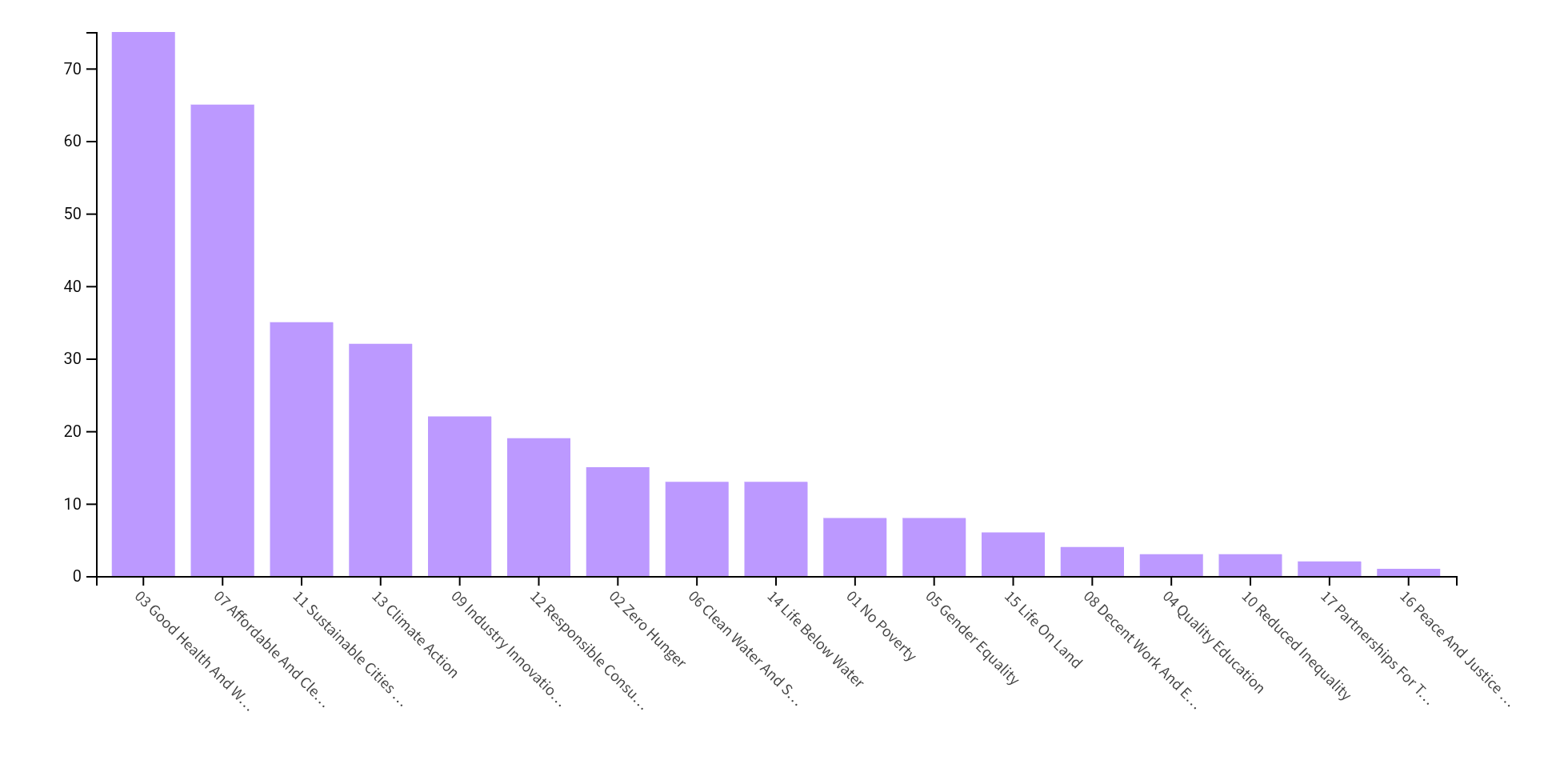
Sustainable Development Goals:
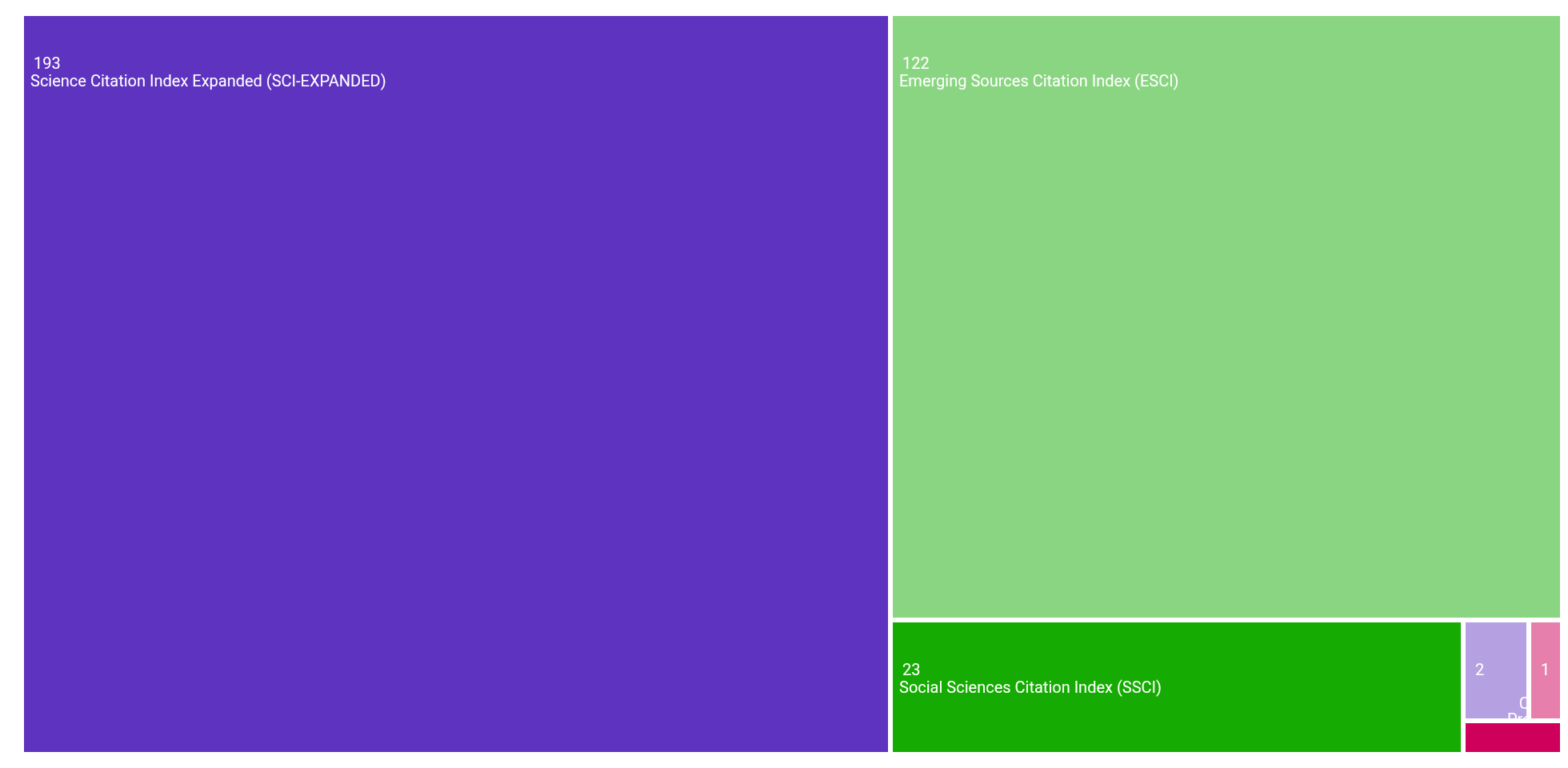
Web of Science Index:
Research highlights of IUBAT:
| Types | Results |
|---|---|
| Review Article | 54 |
| Open Access | 221 |
| Enriched Cited References | 167 |
| Open publisher-invited reviews | 4 |
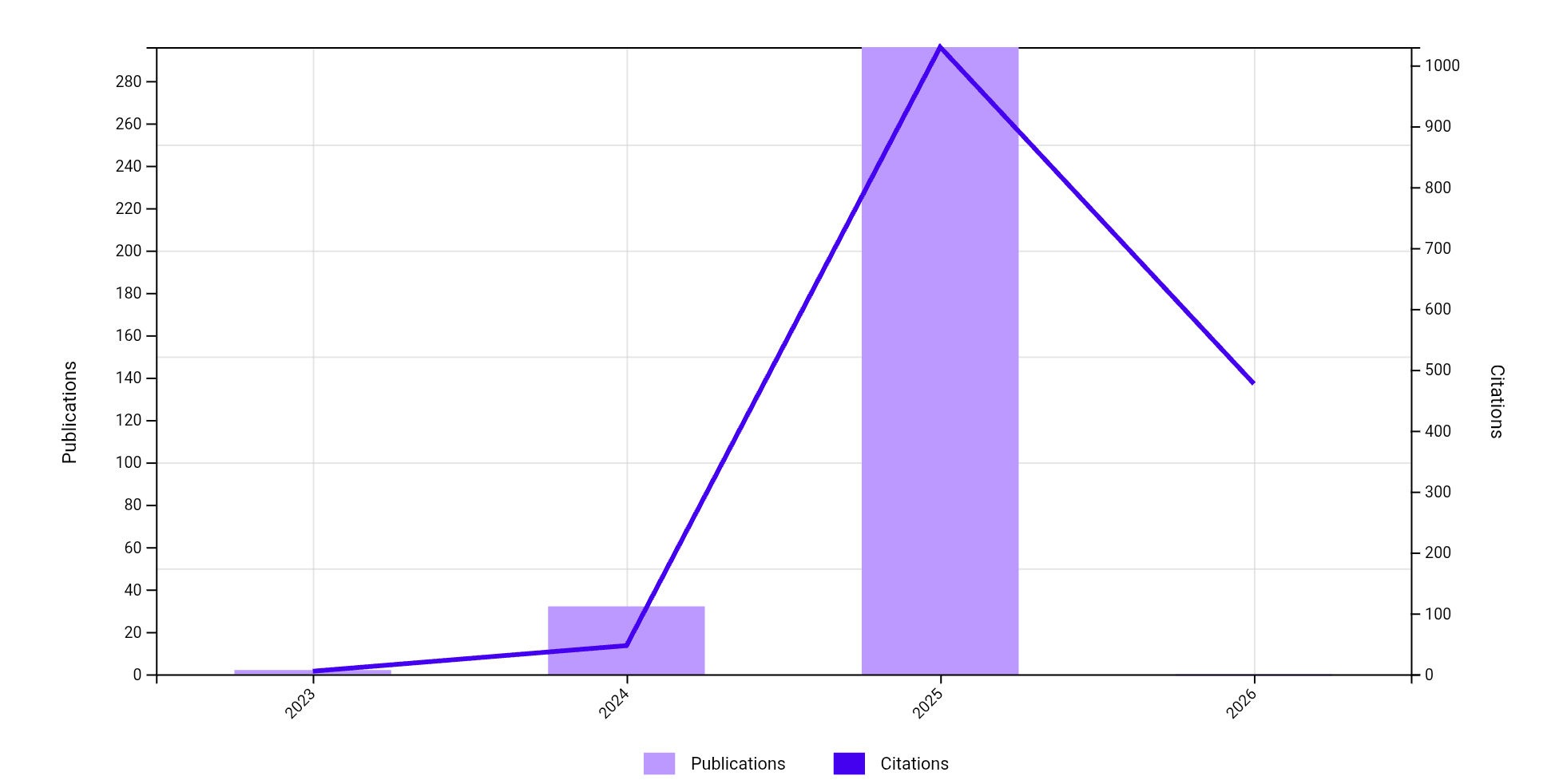
Citation Index:
Publishers:
| Publishers | Record Count | % of 330 |
|---|---|---|
| Elsevier | 106 | 32.121% |
| Wiley | 46 | 13.939% |
| Springer Nature | 39 | 11.818% |
| NATURE PORTFOLIO | 23 | 6.970% |
| Taylor & Francis | 14 | 4.242% |
| Sage | 13 | 3.939% |
| Emerald Group Publishing | 8 | 2.424% |
| Mdpi | 8 | 2.424% |
| Public Library Science | 8 | 2.424% |
| Iop Publishing Ltd | 7 | 2.121% |
| Royal Soc Chemistry | 6 | 1.818% |
| AIP Publishing | 4 | 1.212% |
| Frontiers Media Sa | 4 | 1.212% |
| Science & Information Sai Organization Ltd | 3 | 0.909% |
| Academic Publication Council | 2 | 0.606% |
| Amer Chemical Soc | 2 | 0.606% |
| IEEE | 2 | 0.606% |
| Int Information & Engineering Technology Assoc | 2 | 0.606% |
| Keai Publishing Ltd | 2 | 0.606% |
| Korean Fiber Soc | 2 | 0.606% |
| North Carolina State Univ Dept Wood & Paper Sci | 2 | 0.606% |
| World Scientific | 2 | 0.606% |
| Amer Inst Mathematical Sciences-Aims | 1 | 0.303% |
| Assoc Computational Linguistics-Acl | 1 | 0.303% |
| Bangladesh Assoc Plant Taxonomists | 1 | 0.303% |
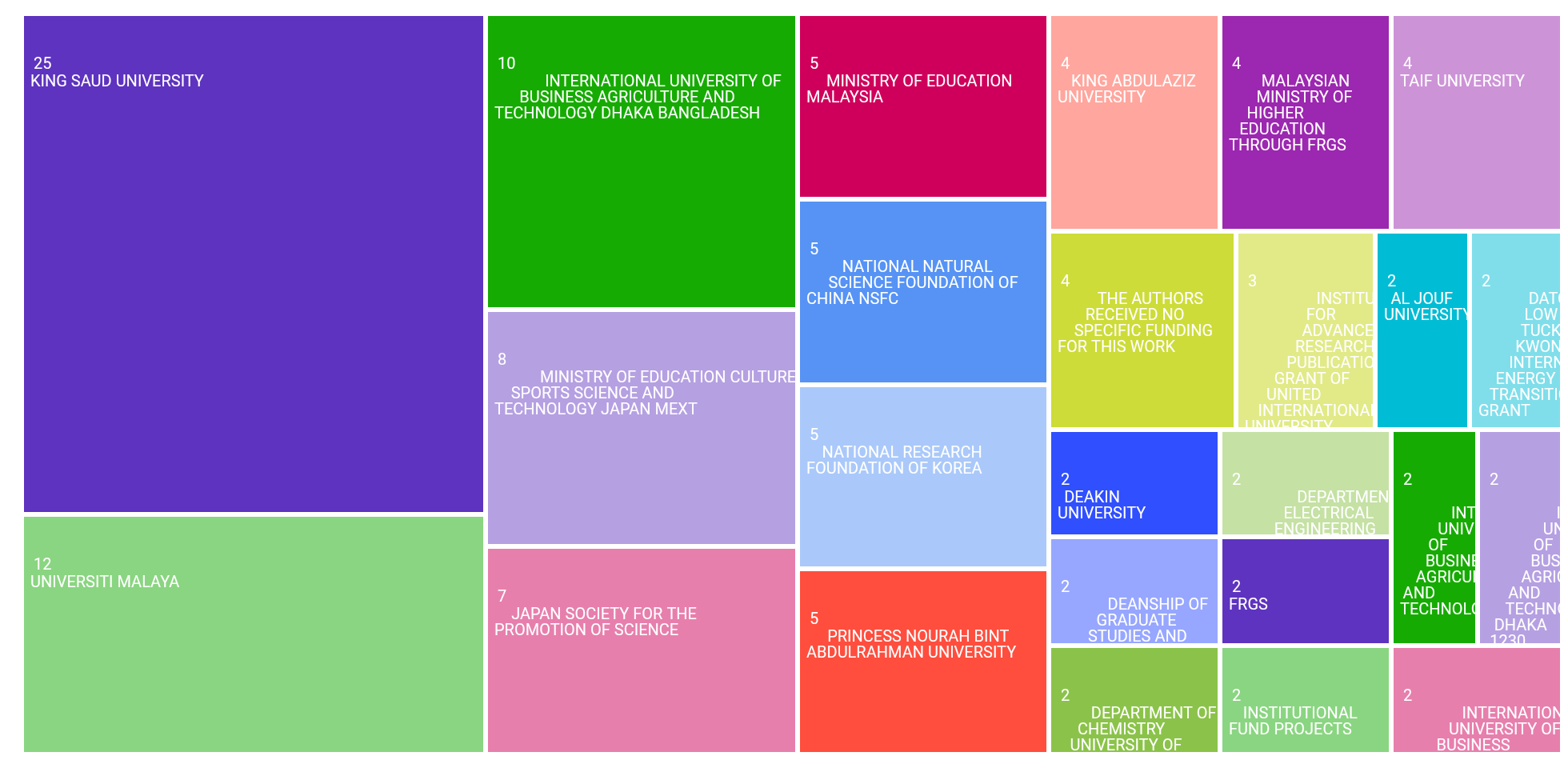
Funding Agencies:
Observations:
- Research output is heavily concentrated in multidisciplinary and applied science fields, especially materials science and engineering.
- A high percentage of publications are open access, enhancing visibility and accessibility.
- Strong international collaboration is evident, particularly with Asian and Middle Eastern countries.
Questions:
- How can IUBAT further increase publications in high-impact or top-tier journals?
- What strategies can enhance collaboration with underrepresented regions like Europe and North America?
- How can the institution balance quantity with quality in future research outputs?
The publication profile reflects steady progress and global integration, but a strategic focus on high-impact research, diversified collaborations, and emerging scientific areas could further elevate IUBAT’s academic influence.